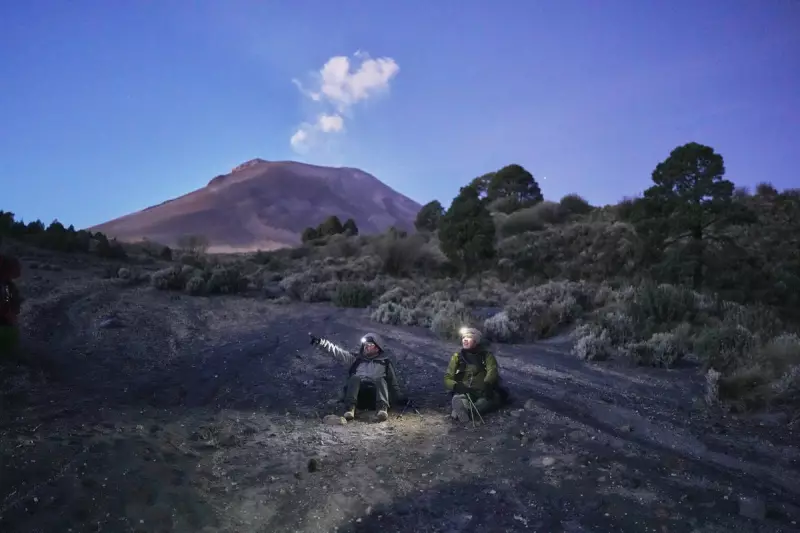
In a landmark scientific achievement, researchers in Mexico have produced the world's first three-dimensional image of the interior of the Popocatépetl volcano. This five-year project, led by geophysicist Marco Calò from Mexico's National Autonomous University, has successfully mapped the complex network of magma chambers deep beneath one of the planet's most active and dangerous peaks.
A Technological Triumph: Seismographs and AI Unite
The groundbreaking image is the result of a sophisticated operation combining traditional geology with cutting-edge technology. The team deployed a network of 22 seismographs around the volcano to monitor its subterranean rumblings. This seismic data was then processed using advanced artificial intelligence algorithms, which helped to interpret the signals and construct a detailed volumetric model of the volcano's hidden plumbing system.
The resulting 3D map reveals a far more intricate structure than previously understood. It shows multiple magma pools accumulating at various depths, with some reservoirs extending an astonishing 11 miles (approximately 18 kilometres) below the crater. This detailed visualisation provides unprecedented insight into how magma moves and gathers within the colossal volcano, known locally as 'El Popo'.

Why This Discovery Matters for Millions
The research is not merely an academic exercise; it has profound implications for public safety and disaster preparedness. Popocatépetl poses a direct threat to an estimated 25 million people living within a 62-mile radius of its slopes, including the densely populated metropolitan areas of Mexico City and Puebla.
By understanding the precise locations and dynamics of these magma reservoirs, scientists can significantly improve models that predict volcanic behaviour. This allows authorities to issue more accurate and timely warnings, potentially saving countless lives in the event of a major eruption. The map acts as a crucial diagnostic tool, helping experts decipher the volcano's internal signals and respond more effectively to potential eruptions.
The Path Forward for Volcanic Science
The successful imaging of Popocatépetl's interior, announced on Tuesday 30 December 2025, marks a turning point in volcanology. The methodology pioneered by Marco Calò and his team sets a new standard for investigating active volcanoes worldwide. The ability to create such detailed internal maps transforms how scientists assess risk and plan mitigation strategies for volcanic threats globally.
This work begins to solve the long-standing mystery of what lies inside Mexico's 'majestic' giant. The data continues to be analysed, with the ultimate goal of creating a robust early-warning system that leverages this deep structural knowledge to protect the millions who live in the shadow of the smoking mountain.