In a groundbreaking discovery with profound implications for global health, researchers have unearthed 5,000-year-old bacteria frozen deep within an ancient underground ice cave in Romania. This ancient bacterial strain, identified as Psychrobacter SC65A.3, has demonstrated alarming resistance to 10 different modern antibiotics, including those critical for treating serious and life-threatening infections.
A Frozen Threat in the Scarisoara Ice Cave
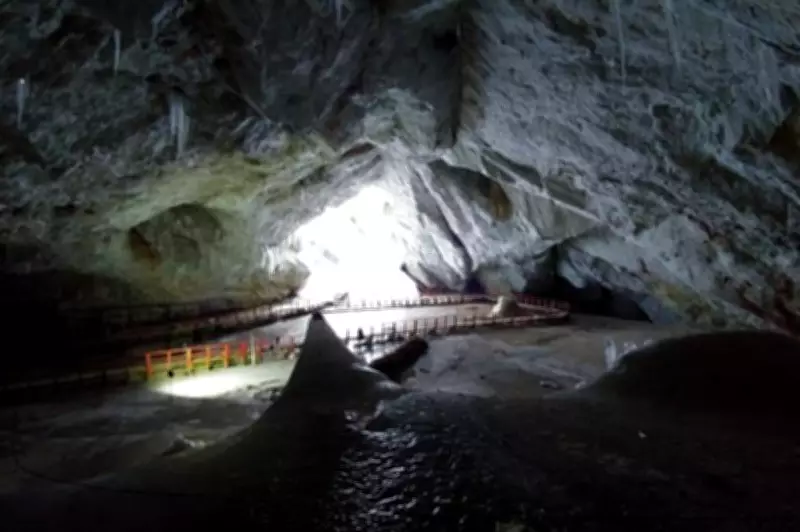
The bacteria were extracted from the Scarisoara Ice Cave, a remote and frigid environment that has preserved microorganisms for millennia. Scientists drilled a 25-metre ice core to retrieve samples, which were then subjected to advanced genomic sequencing to unravel the bacteria's survival mechanisms and genetic makeup. The study, published in the prestigious journal Frontiers in Microbiology, reveals that this ancient strain possesses resistance genes that could pose a significant threat if released into the environment.
Risks of Melting Ice and Antibiotic Resistance
Researchers have issued a stark warning: as global temperatures rise and ice melts, these ancient bacteria could be liberated from their frozen prison. If this occurs, their resistance genes might spread to other bacteria, potentially exacerbating the already critical global challenge of antibiotic resistance. This phenomenon could render current treatments ineffective, leading to increased morbidity and mortality from bacterial infections worldwide.

The spread of such resistance genes could undermine decades of medical progress, making common infections untreatable and surgeries riskier.
Potential Benefits and Biotechnological Innovations
Despite the risks, the discovery also offers a glimmer of hope. The ancient bacteria produce unique enzymes and antimicrobial compounds that have never been observed in modern strains. These novel substances could inspire the development of new antibiotics and drive biotechnological innovations, potentially providing new tools in the fight against resistant bacteria.
Scientists are now exploring how these ancient compounds might be harnessed to create next-generation treatments, turning a potential threat into an opportunity for medical advancement.
Implications for Future Research and Public Health
This finding underscores the importance of studying ancient and extreme environments to understand microbial evolution and resistance. It highlights the interconnectedness of climate change and public health, as melting ice not only affects ecosystems but also poses direct risks to human health by releasing dormant pathogens.
- Enhanced surveillance of melting ice regions is recommended to monitor for emerging threats.
- Investment in research into ancient microorganisms could yield new antimicrobial agents.
- Public health strategies must adapt to the evolving landscape of antibiotic resistance.
The discovery of Psychrobacter SC65A.3 serves as a poignant reminder of the hidden dangers locked within Earth's frozen archives, urging a proactive approach to both environmental conservation and medical preparedness.