In a remarkable medical advancement that reads like science fiction, British researchers have successfully restored partial sight to patients suffering from age-related macular degeneration (AMD) using a revolutionary bionic implant.
The Prima Device: A Microchip Making Macular Miracles
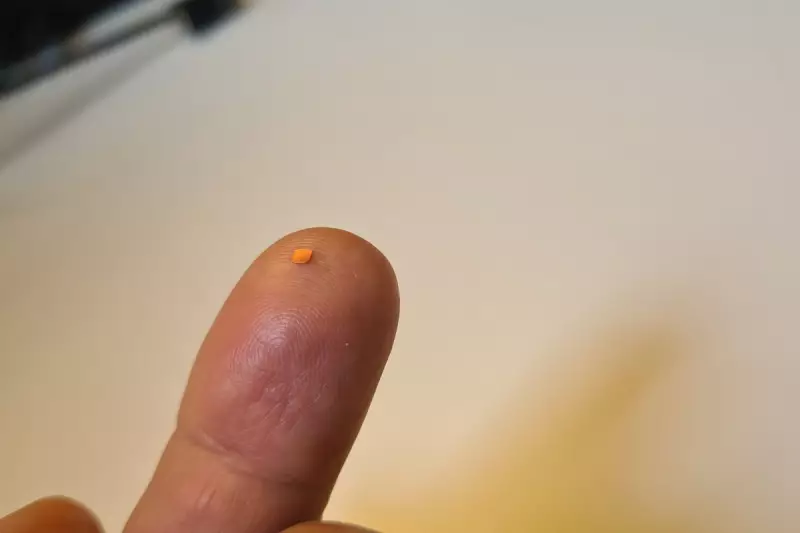
The breakthrough centres on the Prima device, a tiny 2mm-wide microchip containing an impressive 378 electrodes that sits directly beneath the retina. This wireless implant effectively bypasses damaged photoreceptor cells, converting light into electrical signals that the brain can interpret as vision.
Professor Paulo Stanga, who led the clinical trials at Manchester Royal Eye Hospital, described the results as "truly transformative" for patients who had lost central vision to the devastating dry form of AMD.
Real-World Results: From Darkness to Daily Living
The clinical outcomes have exceeded expectations. Patients who participated in the trial have regained sufficient vision to:
- Recognise faces of loved ones for the first time in years
- Read text using a magnification system
- Navigate environments with significantly improved confidence
- Distinguish objects and perceive contrasts in their surroundings
One patient, 78-year-old Ray Flynn, expressed the emotional impact: "Being able to see my wife's face again after years of darkness has been overwhelming. This technology has given me back a piece of my independence."
The Science Behind the Sight Restoration
Unlike previous retinal implants, the Prima device offers several technological advantages:
- Wireless operation eliminates the need for cumbersome external hardware
- Miniaturised design allows for less invasive implantation
- High electrode density provides superior image resolution
- Natural eye movement compatibility maintains normal visual function
The system works in tandem with specially designed smart glasses containing a miniature camera that captures visual information and transmits it to the implant.
Future Implications and Availability
While currently available in the UK through the NHS for a limited number of patients as part of ongoing trials, researchers are optimistic about wider availability within the next few years. The success of the Prima implant opens new possibilities for treating other forms of retinal degeneration beyond AMD.
Dr. Natalie Banner, of the UKRI, emphasised the significance: "This isn't just about restoring vision—it's about restoring quality of life. The implications for the millions affected by retinal diseases globally are profound."
The breakthrough represents a significant step forward in neuroprosthetics and offers genuine hope for the estimated 700,000 people in the UK alone living with advanced dry AMD.