Brain Stimulation Reduces Selfishness: Electrical Currents Boost Altruistic Behaviour
Scientists may have discovered a temporary cure for selfishness through the application of targeted electrical currents to specific regions of the human brain. In a groundbreaking experiment conducted at the University of Zurich, researchers successfully made participants more inclined to share their money with anonymous partners by stimulating key neural pathways.
The Experimental Setup and Key Findings
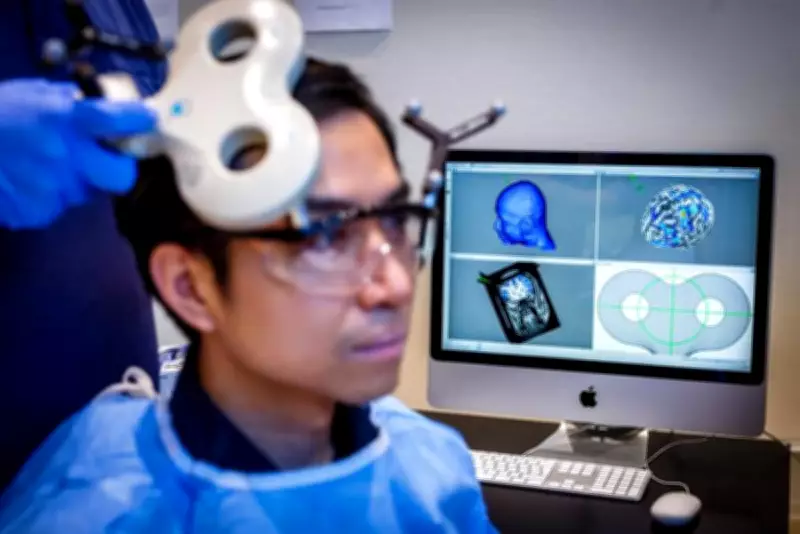
The study involved 44 participants who were asked to split a sum of money between themselves and an anonymous partner within just a few seconds. They faced a choice between keeping a larger amount for themselves or offering more to their partner. As participants made these decisions, researchers applied non-invasive electrical stimulation to two critical brain areas: the frontal lobe, which governs decision-making, and the parietal lobe, essential for sensory processing.
The stimulation was carefully calibrated to fire brain cells at specific frequencies. When researchers applied a higher "gamma" frequency ranging between 40 and 90Hz, participants demonstrated a significant shift toward altruistic behaviour. They became more likely to make generous choices, even when it meant receiving less money overall.

Understanding the Neural Basis of Altruism
The research, published in the prestigious journal PLOS Biology, reveals that selfless behaviour appears to be hardwired in our neural architecture. The stimulation effectively nudged participants' preferences toward considering their partner's welfare more carefully when evaluating monetary offers.
Christian Ruff, a co-author from the University of Zurich, elaborated on the significance of these findings: "We identified a pattern of communication between brain regions that is tied to altruistic choices. This improves our basic understanding of how the brain supports social decisions, and it sets the stage for future research on cooperation – especially in situations where success depends on people working together."
Potential Applications and Limitations
Although the effects on reducing selfishness were temporary in this experiment, the research opens intriguing possibilities for therapeutic applications. The paper suggests these findings could lead to "developing intervention tools to improve individuals' social function" for people with certain psychiatric conditions that affect social behaviour.
Professor Ruff further explained on BBC Radio 4's Inside Science programme that achieving long-term effects would require repeated stimulation sessions. He drew a compelling analogy to physical fitness: "One workout will not improve your fitness, but if you go to the gym twice weekly for a period of two months, your body changes. This is the same principle."
The study represents a significant advancement in our understanding of the neural mechanisms underlying human cooperation and altruism. By demonstrating that specific brain stimulation can enhance prosocial behaviour, researchers have identified potential pathways for fostering greater social harmony and cooperation in various contexts.