GLP-1 Medications Demonstrate Potential in Combating Substance Use Disorders
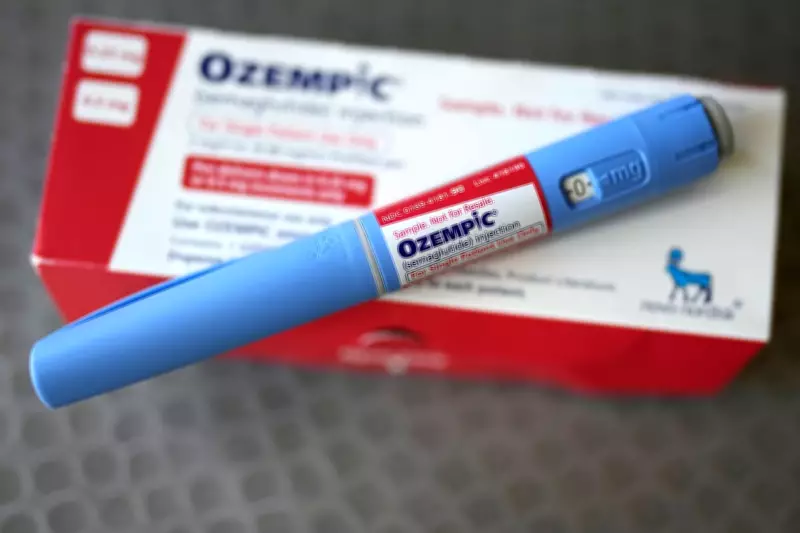
The groundbreaking GLP-1 pharmaceutical treatments that have revolutionised diabetes and obesity management may offer significant benefits in preventing multiple substance use disorders, according to a substantial new research study. Published in The BMJ medical journal, the analysis examined electronic health records from more than 600,000 United States Veterans Affairs patients diagnosed with diabetes, revealing compelling findings about these medications' broader therapeutic potential.
Study Design and Methodology
Previous smaller-scale investigations had hinted that GLP-1 receptor agonists might influence addiction pathways by targeting the brain's reward systems, but these were typically limited to single substances. This new research represents one of the most extensive examinations to date, analysing three years of patient data through seven parallel trials. Researchers compared individuals receiving GLP-1 medications like Ozempic and Mounjaro against those treated with alternative blood sugar-lowering drugs.
The trials specifically assessed risks of developing addictions to alcohol, cannabis, cocaine, nicotine, and opioids. An additional trial evaluated risks of serious harms among patients with existing substance use disorders who were prescribed different medication types.

Significant Risk Reduction Findings
Dr. Ziyad Al-Aly, the study's lead author and chief researcher at the VA St. Louis Health Care System, reported that patients beginning GLP-1 treatments showed substantially lower risks of developing multiple substance addictions compared to those on other medications. The risk reductions were particularly notable:
- 18% lower risk for alcohol addiction
- 14% lower risk for cannabis addiction
- 20% lower risk for both cocaine and nicotine addiction
- 25% lower risk for opioid addiction
For patients already struggling with substance use disorders, starting GLP-1 medications was associated with even more dramatic reductions in serious outcomes:
- 31% lower risk of emergency department visits
- 26% lower risk of hospitalisations
- 25% lower risk of suicidal thoughts or attempts
- 39% lower risk of overdose
- 50% lower risk of death
Overall, the research suggests that GLP-1 drug use likely prevented approximately seven cases of substance use disorder and twelve incidents involving serious harm for every 1,000 users over the three-year study period.
Mechanisms and Expert Perspectives
Dr. Lorenzo Leggio, clinical director at the National Institute on Drug Abuse who was not involved in the study, described the findings as striking. "Even though we don't fully understand the mechanism, somehow the GLP-1 system is tackling addiction biology and the foundational system that underlies all these disorders," he explained.
The research indicates that just as GLP-1 medications reduce what's termed "food noise"—intrusive thoughts about food—by targeting hormones controlling appetite and satiety, they may similarly diminish "alcohol or drug noise" in individuals susceptible to substance addictions.
Dr. Anna Lembke, a Stanford University addiction medicine specialist, expressed excitement about the growing evidence that GLP-1s might prevent substance use disorders. "We haven't really had a new tool in our toolbox from a pharmacotherapy perspective to treat addiction in a long time," she noted, adding that some addiction specialists are already prescribing GLP-1 medications off-label when conventional treatments prove ineffective.
Study Limitations and Future Research Directions
The research does have several important limitations that researchers acknowledge. The study population within the Veterans Affairs health system is predominantly older, white, and male, though Dr. Al-Aly noted consistent results among more than 35,000 female participants. Additionally, the analysis only included individuals with diabetes rather than the general population, and researchers couldn't account for certain socioeconomic factors or lifestyle choices that might influence outcomes.

As an observational study, the research demonstrates association rather than causation—showing that GLP-1 use correlates with reduced addiction risks rather than definitively proving the medications cause these reductions. Dr. Al-Aly emphasised that these findings alone don't justify prescribing GLP-1 drugs specifically for addiction prevention or treatment.
"The consequence in terms of chronic disease of these addictive drugs is actually gigantic in our society," Dr. Leggio observed, highlighting the global impact of substance use disorders as leading causes of illness and mortality. Several randomised controlled clinical trials comparing GLP-1 medications against placebos are currently pending, which researchers hope will provide more definitive evidence about these drugs' potential role in addiction treatment.
Dr. Lembke cautioned that GLP-1 medications don't work identically for all users and carry risks that must be carefully weighed against potential benefits. Nevertheless, the study represents a significant step toward potentially expanding treatment options for the more than 48 million Americans affected by substance use disorders.