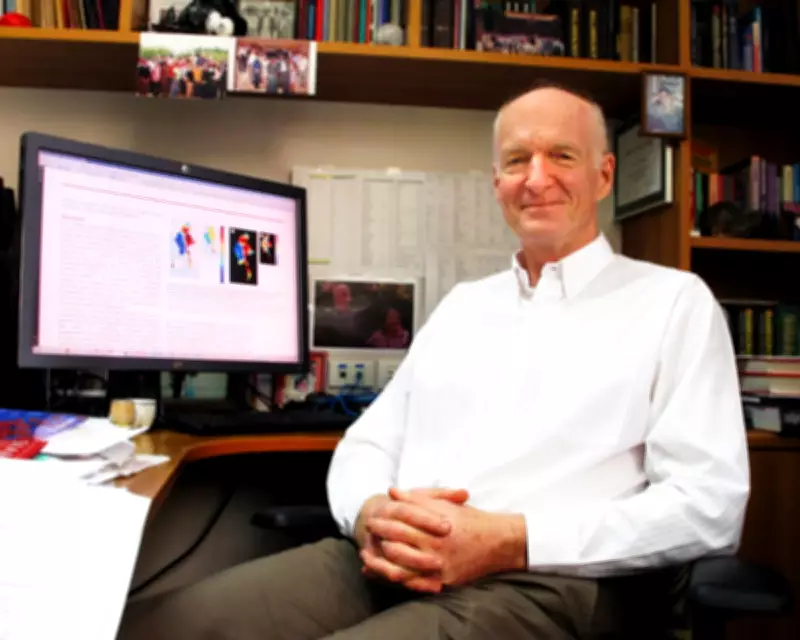
Sir Nick White, Renowned Malaria Researcher, Dies at 73
Sir Nick White, a distinguished British physician and scientist celebrated for his pioneering contributions to malaria research and treatment, has died at the age of 73. His passing marks the loss of a global health leader whose work transformed the fight against one of the world's deadliest diseases.
Groundbreaking Career in Tropical Medicine
White dedicated his career to tropical medicine, serving as a professor at the University of Oxford and Mahidol University in Thailand. He was instrumental in establishing the Mahidol Oxford Tropical Medicine Research Unit, a collaboration that became a hub for cutting-edge studies on infectious diseases in Southeast Asia.
His research focused on improving malaria treatment protocols, particularly through large-scale clinical trials. White played a key role in developing and promoting artemisinin-based combination therapies, which are now the standard of care for malaria worldwide. These therapies have been credited with saving millions of lives, especially in regions with high transmission rates.

Impact on Global Health Policies
Beyond the laboratory, White was a vocal advocate for evidence-based health policies. He advised numerous international organizations, including the World Health Organization, on malaria control strategies. His efforts helped shape global guidelines that prioritize effective and accessible treatments for vulnerable populations.
White's work extended to other tropical diseases, such as dengue fever and scrub typhus, where he conducted influential studies that improved diagnostic and treatment methods. His multidisciplinary approach combined clinical practice with rigorous scientific inquiry, setting a benchmark for research in low-resource settings.
Recognition and Legacy
In recognition of his contributions, White was knighted in 2016 for services to tropical medicine. He received numerous awards, including the prestigious Manson Medal from the Royal Society of Tropical Medicine and Hygiene. Colleagues and peers have praised his mentorship and collaborative spirit, which inspired a generation of researchers.
Sir Nick White is survived by his family, including his wife and children. His legacy endures through the ongoing work of the institutions he helped build and the countless lives saved by his innovations in malaria treatment. The global health community mourns his loss but continues to benefit from his enduring impact on tropical disease research.