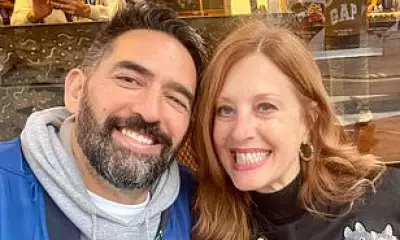
A Devon man received a life-altering diagnosis of an incurable brain tumour after years of suffering from what he believed was simple tinnitus.
From Ringing Ears to a Life-Changing Scan
Darren Harris, a 59-year-old former IT analyst from Paignton, had experienced persistent tinnitus for two years when his GP referred him for a standard hearing test. Initial treatments provided some relief, but a subsequent MRI scan and a series of follow-ups revealed a far more serious underlying condition.
"I knew something wasn't right, but no one would tell me why," Darren recalled. "When I was finally referred to a neurosurgeon, my world fell apart. They told me I had a brain tumour."

In March 2015, Darren was diagnosed with an inoperable tentorial meningioma – a slow-growing, low-grade tumour situated at the base of his brain.
Pioneering Treatment and Lasting Consequences
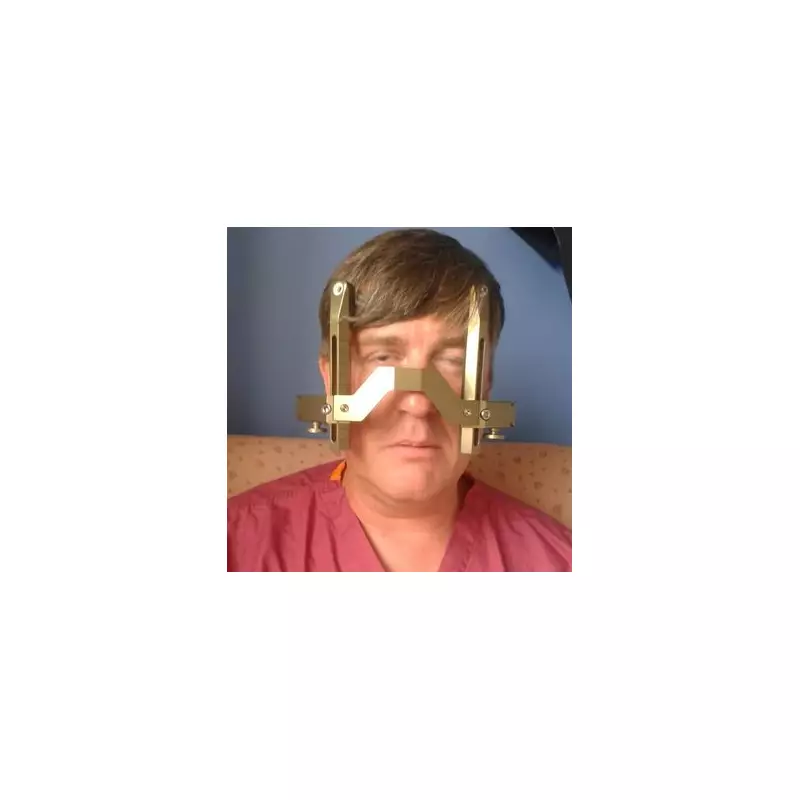
Facing an inoperable tumour, Darren underwent a highly advanced procedure called gamma knife radiosurgery at Sheffield's Northern General Hospital. The non-invasive treatment, costing £35,000 "They bolted a metal frame to my skull to keep me completely still, mapped the tumour in 3D, and then targeted it precisely," Darren explained. "It was cutting-edge." Fortunately, private health insurance covered the substantial cost. While the procedure successfully tackled the tumour, Darren's health journey was far from over. The aftermath led to significant challenges, including the development of epilepsy, the loss of his driving licence, and a diagnosis of atrial fibrillation – a heart condition triggered by seizure-related stress. He has since endured multiple heart procedures and lives with ongoing neurological side effects like visual impairment and pins and needles down his left side. To commemorate ten years since his shocking diagnosis, Darren and his wife Sharon, 57, channelled their experience into positive action. They organised a fundraising event for Brain Tumour Research, raising over £800 through an evening of meditation, spiritual messages, and a tombola. "Reaching 10 years since my brain tumour diagnosis is something I never take for granted," Darren said. "I know how incredibly lucky I am to still be here, and that's only because of the treatments and knowledge we have today." He emphasised the critical need for funding: "Too many people aren't as fortunate... We need continued investment so that more people can reach milestones like this, and so families in the future have real hope, better treatments and, ultimately, a cure." Letty Greenfield, community development manager at Brain Tumour Research, praised Darren's efforts: "Darren's courage and willingness to share his experience help raise awareness of the need for greater investment in brain tumour research and improved access to life-saving technology." The charity is campaigning for £35 million in annual national funding to improve survival rates for brain tumour patients to match those of other cancers like breast cancer and leukaemia.Marking a Milestone by Giving Back