Behind the grand facade of a 200-year-old London building lies one of the UK's most confronting and educationally significant collections, a museum that now proactively warns potential visitors about its graphic contents.
A Collection of Fascination and Controversy
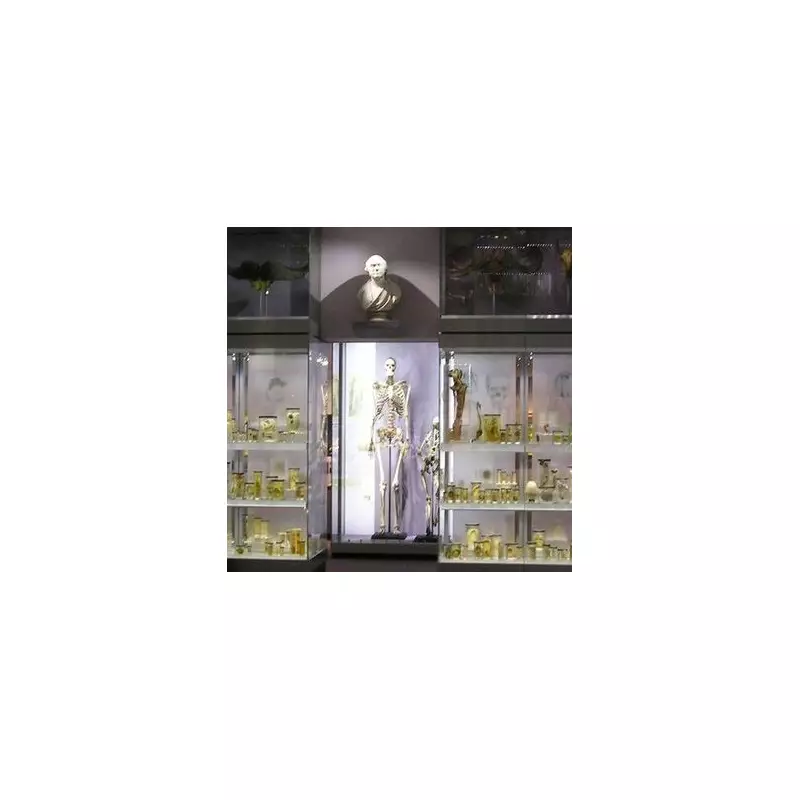
Located within the historic Royal College of Surgeons building in a leafy Georgian square, The Hunterian Museum holds an extensive array of anatomical specimens. Its towering shelves, crammed with jars containing both animal and human dissections, serve as a monument to medical pioneers while presenting a potentially harrowing experience.
The museum, which is free to enter, openly cautions that its displays are not for everyone. A prominent notice on its website states: "Viewing human remains can evoke powerful emotions which some visitors can understandably find difficult. Visitors should consider whether visiting the Hunterian is right for them." This warning specifically highlights the inclusion of human foetuses and other tissues within the collection.

Ethical Debates and Historic Specimens
The ethical dimension of the museum's collection is actively acknowledged. The institution recognises that many human tissue preparations were gathered before modern standards of consent were established. It asks visitors to refrain from photographing human remains or sharing such images on social media, paying respect to the unnamed individuals who contributed to medical advancement.
One of the most prolonged controversies centred on the skeleton of Charles Byrne, a man who stood roughly 7 feet 7 inches tall. Despite his dying wish to be buried at sea to avoid body snatchers, his skeleton was acquired and publicly displayed for over 200 years. Following sustained campaigns, it was finally removed from view in 2023.
From Churchill's Teeth to Pre-Anaesthesia Tools
The museum's eclectic and often macabre collection, which has grown since its founding in 1799, includes numerous unique items. Among them are teeth extracted from soldiers at the Battle of Waterloo, a pair of false teeth belonging to Winston Churchill, and a severed foot from Britain's first mummy dissection in 1763.
Particularly notable are the Evelyn Tables, among Europe's oldest anatomical preparations. These wooden slabs display dissected and varnished human circulatory and nervous systems, created for student education. Perhaps most chilling are the displays of surgical tools used before anaesthesia, including amputation and dental kits, starkly illustrating the horrors of early surgery.
The Hunterian Museum is open from Tuesday to Saturday, 10am to 5pm. While entry is free, booking a slot online is recommended due to popularity.