Malawi Launches New Polio Vaccination Drive Amid Global Eradication Setbacks
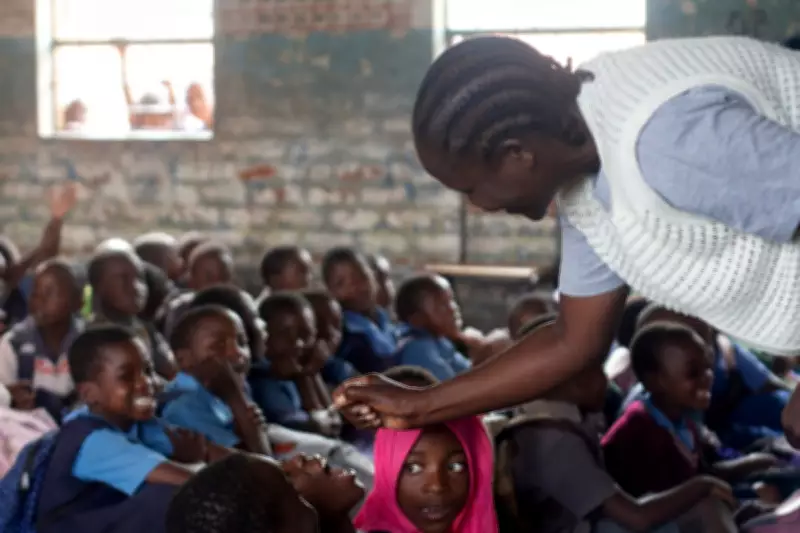
This week, the southern African nation of Malawi has initiated a significant new polio vaccination campaign, serving as a stark reminder that the world has yet to eradicate this ancient disease despite more than thirty-five years of concerted international efforts. The campaign began on Wednesday, with health workers administering oral vaccines to children in classrooms and neighborhoods across the country.
A Persistent Global Challenge
Health officials worldwide have repeatedly come close to eliminating polio, notably five years ago when only five cases of the natural wild polio virus were reported globally. However, according to a recent World Health Organization report, there were thirty-eight cases of the natural polio virus between January and October 2025, all confined to Pakistan and Afghanistan, the last two endemic countries. Additionally, one hundred and fifty-one cases of a vaccine-derived polio virus strain emerged across thirteen nations during the same period.
These vaccine-derived cases have surpassed natural polio virus infections in recent years, complicating eradication efforts due to missteps in the global fight. They occur when the weakened live virus in oral polio vaccines mutates into a form capable of triggering new outbreaks.

Malawi's Specific Outbreak and Response
In Malawi, the detection of the vaccine-derived Type 2 polio virus strain in sewage water in the southern city of Blantyre last month prompted health authorities to launch this new immunization campaign. By WHO regulations, Malawi was required to declare an outbreak upon confirming these traces.
Deputy Health Minister Charles Chilambula has been actively promoting the vaccination drive, which involves administering 1.7 million doses to children at schools and through door-to-door visits in Blantyre's neighborhoods. In an effort to reassure the public, Chilambula emphasized that the doses will protect against the vaccine-derived form found in environmental samples. The Health Ministry is utilizing a novel oral polio vaccine specifically designed to halt circulating vaccine-derived Type 2 outbreaks.
"It's very important that we do the vaccine now, because it also deals with this virus which we have detected," Chilambula stated.
The Nature and History of Polio
Polio is a highly contagious, incurable disease that affects the nervous system, with both the wild virus and vaccine-derived strains capable of causing irreversible paralysis. It spreads through contaminated food or water, and approximately one in two hundred cases results in paralysis, typically affecting the legs, according to WHO data.
In the early twentieth century, polio instilled fear in communities worldwide, paralyzing hundreds of thousands of children annually before vaccines were developed in the 1950s. While global health authorities celebrate a significant victory with wild polio virus cases decreasing by over 99% since 1988 and endemic countries dropping from 125 to two, the ultimate goal of eradicating polio, akin to smallpox, remains elusive.
Setbacks and Ongoing Efforts
Malawi re-emerged as a country of concern for polio in 2022 when a child contracted the wild polio virus, marking the first case in the southern African nation in three decades. Last month's announcement of vaccine-derived strain traces represents another setback.
Dr. Joe Collins Opio, UNICEF's Malawi chief of health, indicated that the vaccination campaign will initially focus on children in eight districts before expanding into a national effort across the country of approximately 22 million people. He urged everyone to "be part of the response."
Like many low-income nations, Malawi relies heavily on mobile health workers, predominantly women in matching blue dresses, to reach populations during vaccination campaigns. These workers visit schools and homes on foot, carrying vaccines in small cooler boxes, with motorbikes planned for distributing doses to more remote areas.
Open-air educational events have also been organized, where officials promote vaccines through speeches interspersed with popular music, and children hold signs advocating for protection from polio.

"Polio remains a threat," said Dr. Akosua Sika Ayisi, a WHO public health specialist assisting with the vaccination drive. She outlined Malawi's critical task of ensuring every eligible child "in every community" is fully vaccinated to contribute to global eradication efforts.