A New Hope in the Century-Long Fight Against Tuberculosis
Scientists at the Massachusetts Institute of Technology (MIT) are making significant strides towards developing a revolutionary new vaccine against tuberculosis (TB), which remains one of the world's most lethal infectious diseases. This deadly respiratory infection claims more than 1 million lives annually, with developing nations bearing the heaviest burden due to limited access to modern antibiotic treatments.
The Limitations of Current Protection
For over a century, the primary defence against TB has been the Bacillus Calmette-Guérin (BCG) vaccine, first developed in 1921. This vaccine proved remarkably successful in regions like the United States, where cases plummeted from over 80,000 per year to just a few hundred over subsequent decades. However, the BCG vaccine shows significant limitations. While it provides strong protection for children, its effectiveness wanes in adults, particularly in areas with high TB prevalence. Since its introduction, no other TB vaccines have gained approval.
The challenge in developing new vaccines lies in the complexity of Mycobacterium tuberculosis, the bacteria responsible for TB. This pathogen produces more than 4,000 different proteins, making it exceptionally difficult for researchers to identify which ones trigger a robust immune response suitable for vaccine development.
MIT's Groundbreaking Approach
The MIT research team, led by Associate Professor of Biological Engineering Bryan Bryson, adopted an innovative strategy. Instead of examining all 4,000 proteins, they focused on identifying which proteins are actually displayed to the immune system. The researchers infected human phagocytes – white blood cells that engulf and destroy pathogens – with M. tuberculosis. They then extracted MHC-II proteins from the cell surfaces, which display fragments of TB proteins to T cells, the immune system's primary pathogen-fighting cells.
Through this meticulous process, the scientists identified 27 TB peptides from 13 proteins that were most frequently presented to the immune system. When these peptides were exposed to T cells from blood samples of people previously infected with TB, 24 peptides triggered an immune response in at least some donors. Professor Bryson explained their approach: 'Instead of looking at all of those 4,000 TB proteins, we wanted to ask which of those proteins actually end up being displayed to the rest of the immune system via MHC proteins. If we could answer that question, then we could design vaccines to match that.'
The Path Forward and Global Implications
While none of the peptides worked for every donor, the research team believes a vaccine combining multiple peptides could protect most of the population. They have currently identified a mix of eight proteins that show particular promise. The team continues to test this combination using blood samples from donors worldwide and plans further animal studies. Human trials are likely still several years away.
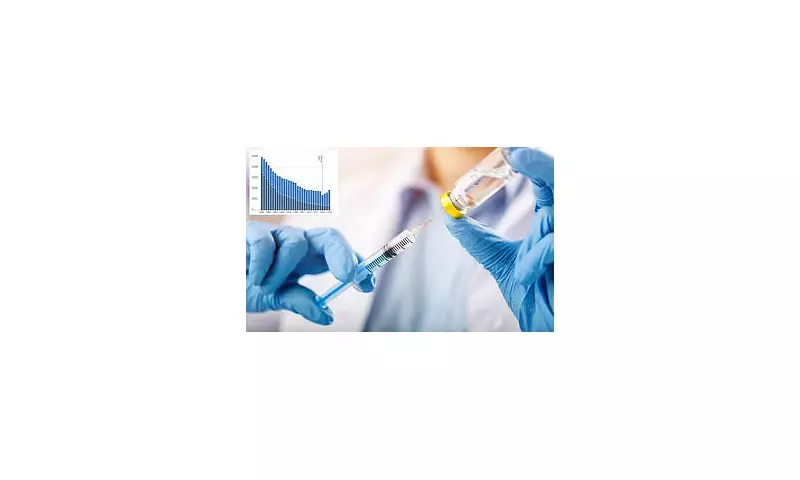
The urgency for a new TB vaccine is underscored by recent concerning trends. In the United States, TB cases had been steadily declining from 1993 until 2020, reaching a record low of 7,170 cases. However, this positive trend has reversed, with provisional CDC data showing 10,347 TB cases in 2024 – an 8% increase from the previous year and the highest number since 2011. Cases are now rising in 80% of US states, which experts attribute to missed diagnoses and medical distrust stemming from the COVID-19 pandemic.
Professor Bryson emphasised the global significance of their work: 'There's still a huge TB burden globally that we'd like to make an impact on. What we've tried to do in this initial TB vaccine is focus on antigens that we saw frequently in our screen and also appear to stimulate a response in T cells from people with prior TB infection.'
Tuberculosis spreads through airborne droplets when infected individuals cough, sneeze, or speak. Early symptoms include persistent cough (sometimes with blood), chest pain, unexplained weight loss, fever, night sweats, and loss of appetite. In advanced stages, the disease can cause severe breathing difficulties, extensive lung damage, and spread to other organs including the brain and spine, potentially leading to paralysis, strokes, or death from respiratory failure.