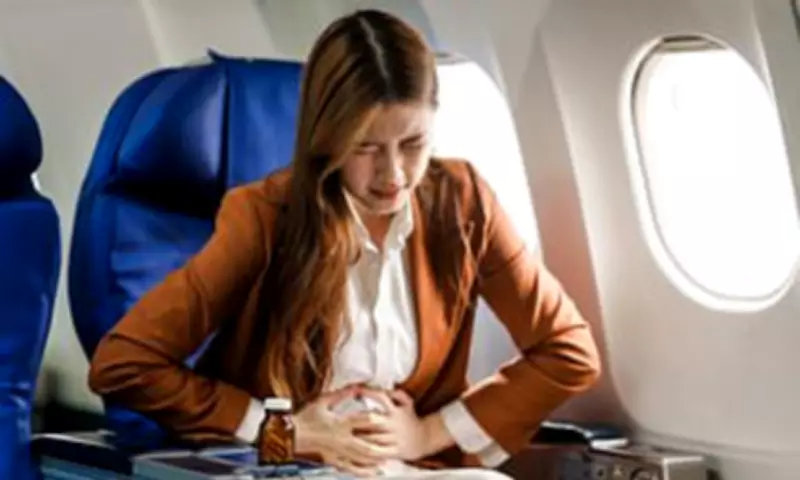
It is deeply unfortunate that the one moment you least desire an unsettled stomach—while confined to a cramped airplane seat, with minimal distractions and notoriously unpleasant lavatories—is precisely when bloating, constipation, and general gut discomfort tend to manifest. This is no mere coincidence; cabin pressure directly influences bloating, explaining why numerous travellers, even those with ordinarily robust digestion, experience a balloon-like sensation mid-flight.
Marilia Chamon, a registered nutritionist and gut specialist, explains: 'Reduced air pressure causes gases in the digestive tract to expand, which can lead to bloating, discomfort, and increased flatulence, even if your digestion is otherwise normal.' Prolonged sitting further slows gut motility. 'Movement is one of the key drivers of digestion, so being sedentary for long periods can contribute to feelings of heaviness, constipation, or sluggish digestion,' she adds. Dehydration compounds the issue: 'The air in the cabin is extremely dry, and even mild dehydration can affect digestion and contribute to constipation.'
Additionally, alterations in routine—including meal timing, sleep disruption, and pre-flight stress—all influence gut function. Collectively, these factors create a perfect storm for digestive discomfort, particularly in those already prone to symptoms. Here are Chamon's recommendations for mitigating digestive burden during air travel.

48 Hours Before Departure
For individuals with sensitive digestion, Chamon recommends leaning towards lower FODMAP foods in the lead-up to travel. Cabin pressure can cause gas to expand, potentially worsening bloating and discomfort mid- and post-flight. Suitable low FODMAP options include rice, quinoa, potatoes, carrots, green beans, zucchini, meat, chicken, fish, eggs, and tofu.
Day of Travel
- Support your circadian rhythm early by obtaining morning light exposure.
- Exercise (including a brisk walk) to improve circulation before extended periods of sitting.
- Keep meals balanced, incorporating fibre-rich carbohydrates, protein, and healthy fats to sustain stable energy and satiety.
- Prioritise antioxidant-rich foods such as dark leafy greens, berries, tomatoes, extra virgin olive oil, and green tea to help offset some of the oxidative stress associated with air travel.
Foods to Buy at the Airport
Chamon suggests a simple, balanced meal with complex carbohydrates, protein, and healthy fats, but not excessively high in fibre, as that can increase gas production, particularly in sensitive individuals. At establishments like Pret, good options include Miso Salmon or Korean BBQ Tofu, which provide a balanced macronutrient profile. These contain approximately 10g of fibre—roughly a third of the daily recommended intake in the UK—making them generally well tolerated. For more sensitive guts, the Smoked Salmon & Egg Protein Plate can be a better choice, being rich in protein and healthy fats but lower in fibre, thus less likely to contribute to bloating. Chamon advises eating before boarding to allow time for a post-meal walk, supporting digestion before several hours of sitting. If flying late, eat before boarding and skip the in-flight meal service to avoid late digestion and potential sleep disruption.
What About Food on the Plane?
One of the primary issues with in-flight meals is high sodium content. High sodium, combined with the dehydrating cabin environment, is a main reason people feel bloated and sluggish after meals, underscoring the importance of consistent hydration. Chamon advises caution with fried and fatty foods, heavily processed sauces and dressings, carbonated drinks, large portions, and gas-producing vegetables like beans, onions, garlic, and certain cruciferous vegetables. When flying, digestion responds best to simplicity.
If you bring your own food, choose options low in fermentable carbohydrates and balanced to keep blood sugar stable. Good options include:

- Edamame beans: provide protein and fibre, reducing the urge to graze throughout the flight. Around 90g is considered low FODMAP, suitable for many sensitive guts. Pair with hard-boiled eggs for higher protein.
- A small portion of nuts with a firm banana: nuts alone can be problematic in large portions, but a small handful paired with a slightly underripe banana works well for many.
- Oatcakes with peanut butter.
Other Things to Do During the Flight
- Drink water throughout the flight. Some find adding electrolytes or a small pinch of salt helpful, particularly on longer journeys.
- Space meals by 3–4 hours rather than grazing, as constant snacking disrupts digestion and leaves you feeling sluggish and bloated.
- Stand up, stretch, or walk every couple of hours where possible to support circulation. Compression socks can be a helpful addition, especially on longer flights.
- Support relaxation with magnesium glycinate. Bring an eye mask and earplugs to create a more restful environment.
Upon Arrival
- If arriving in the morning, get outside as soon as possible, move your body, and expose yourself to natural daylight—one of the most effective ways to reset your circadian rhythm. Even a light walk or gentle workout can signal to your body that it is time to be awake.
- Use caffeine strategically. A coffee in the morning can support alertness and help you move through the day more easily. However, avoid caffeine after 12pm as it can delay sleep onset and make adjusting to a new time zone harder.
- Avoid long naps; if needed, keep them short to prevent interfering with nighttime sleep.
- If arriving in the evening, opt for a lighter meal and prioritise an early night, even if it feels slightly early. Your body has not fully adjusted to the new time zone, and pushing sleep too late can disrupt deep and REM sleep cycles.