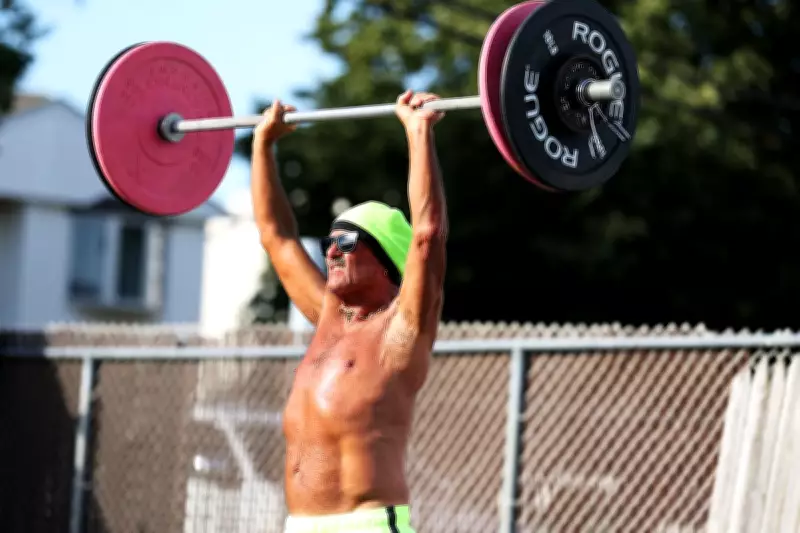
Building Muscle While Cutting Calories: Expert Strategies for Success
Can you effectively build muscle while simultaneously reducing your calorie intake? This question lies at the heart of many fitness journeys aiming for a leaner, stronger physique. According to health and fitness experts, the answer is a qualified yes—but it requires precise execution and patience.
The Science Behind Muscle Growth and Calorie Deficits
At first glance, building muscle during a cut seems contradictory. Muscle growth typically demands a calorie surplus to provide the energy needed for synthesis, while weight loss requires a calorie deficit where the body burns more calories than it consumes, tapping into fat stores for fuel.
However, Briana Silvestri, a physician assistant at Banner – University Orthopedic and Sports Medicine Institute in Phoenix, Arizona, explains that with careful management, the body can pull from fat reserves to support both objectives. "Essentially yes, people are capable of doing both, but it's not a very easy thing to do," Silvestri stated, emphasizing the delicate balance required.

Key Principles for Dual Success
Registered dietitian Lauren Manaker highlights that maintaining a moderate calorie deficit while engaging in consistent weight training allows the body to function optimally while promoting fat loss. The strategy centers on incremental progress: gradually increasing weight loads and prioritizing protein-rich whole foods over time.
Protein plays a crucial role, as it helps sustain fullness, supports muscle repair, and promotes lean body mass—especially when consumed post-workout. Excellent lean protein sources include Greek yogurt, edamame, tuna, salmon, and egg whites.
Practical Guidelines for Calorie Reduction and Training
Registered dietitian Lauren O'Connor advises limiting daily calorie reduction to 250-500 calories to minimize muscle loss compared to more extreme diets. Silvestri adds the importance of selecting foods low in calories but high in nutritional value to nourish the body without disrupting the deficit.
Resistance training emerges as superior for sustained weight loss and muscle building. Using exercise bands, free weights, or body weights not only burns calories during activity but also boosts metabolism as muscles consume calories during rest and recovery, notes Matthew Solan, former executive editor of Harvard Men's Health Watch.
Long-Term Commitment and Health Recommendations
The Centers for Disease Control and Prevention recommend at least two weekly sessions of resistance training alongside 150 minutes of moderate exercise for optimal health. Silvestri cautions that weight loss and muscle gain are gradual processes, advocating for plans that target no more than a couple of pounds lost per week.
"As you get closer to your goal, it'll become progressively more difficult to increase muscle while losing fat but don't get discouraged," she advises. "Gradual loss ensures that you're mostly losing fat instead of muscle. If done too quickly, it could be detrimental to your health goals and or muscle growth."
Experts unanimously stress consulting with a trainer or doctor before starting any new exercise regimen, underscoring that consistency, balance, and patience are the true keys to achieving a leaner, stronger body without sacrificing muscle during a cut.