Dog Trainer's Simple Lead Technique Stops Pulling, Owners Call It Game-Changing
Dog Trainer's Lead Technique Stops Pulling, Owners Call It Game-Changing

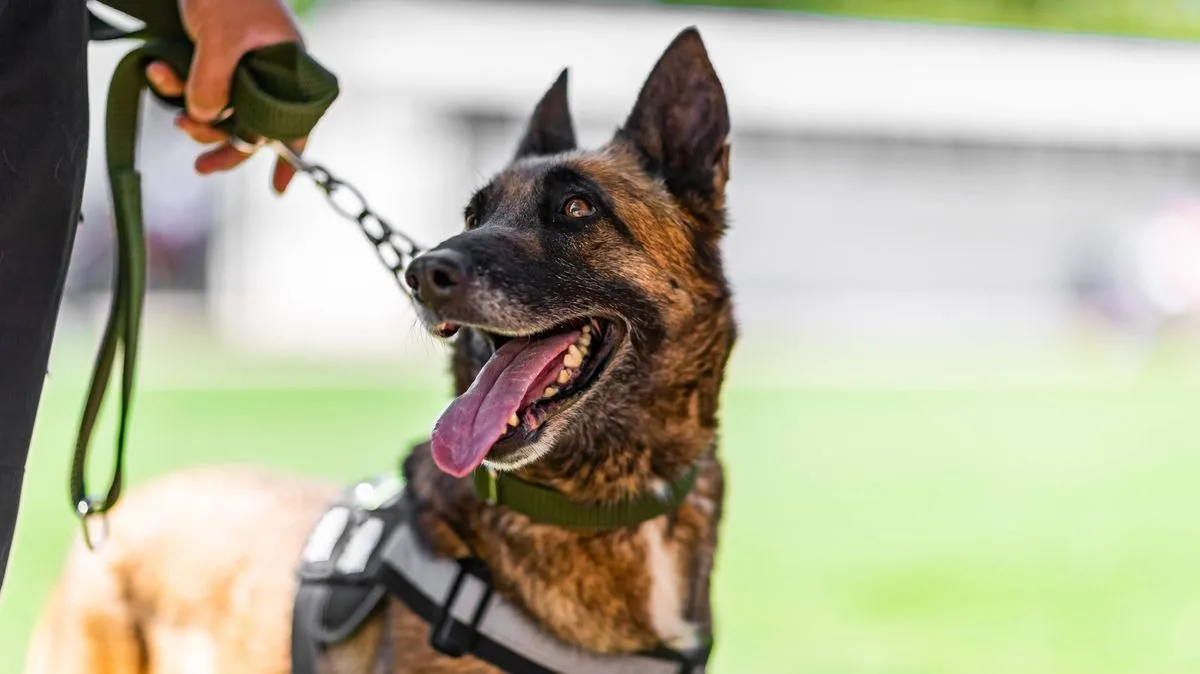
A dog trainer has revealed a straightforward technique to prevent dogs from pulling on their leads, with many pet owners hailing it as a transformative "game changer" that they wish they had discovered earlier.

The Simple Lead Technique That Changes Everything

Southend Dog Training took to social media to demonstrate this method, which focuses on making walks more enjoyable for both dogs and their owners. In an instructional clip, the expert explained: "If your dog pulls on a lead, listen to this. Do this one thing and it'll change how your dog walks. Instead of pulling back, yanking or restraining, pull up."

He elaborated that pulling up on the lead helps reduce the dog's forward momentum, whereas pulling backward unintentionally encourages more pulling by creating restraint that dogs instinctively push against.

Wide Pickt banner — collaborative shopping lists app for Telegram, phone mockup with grocery list

Why Pulling Backwards Makes Things Worse

The trainer drew an analogy to bite work training, where dogs are pulled back to make them drive forward harder. "We unintentionally apply this technique to dogs when we want them to stop pulling forward," he said. "We unintentionally frustrate the dog. Pull up on a short but relaxed lead and then relax and your dog will slow down."

Additionally, he advised owners to avoid getting their dogs overly excited before walks, suggesting it's better to ensure the animal is calm before heading outside.

Owner Reactions and Mixed Results

Responses to the video were largely positive but mixed. One owner wrote: "My Springer Spaniel is terrible for pulling. I'll try this tomorrow." Another commented: "I think my dog is broken I've pulled up since the day I got him. That lead is never relaxed. He waits nicely at the door and gate then thinks he has."

A third person reported: "I tried this, but makes no difference especially at the starts of walk when he's super excited I feel like I've tried everything." Others offered alternative suggestions, such as teaching a "stop" command through repetition.

One German Shepherd puppy owner shared: "I've got a German shepherd puppy 1 year old. Every time I get his lead out he goes crazy making it difficult to put his lead on."

Additional Expert Advice on Canine Sounds

This guidance follows recent advice from K9 University Dog Training, which cautioned owners against responding to certain "complaining" noises from their pets. The expert outlined three key sounds and appropriate responses.

First, when dogs make complaining sounds while pawing or scratching, owners should resist giving in, as rewarding this behavior can exacerbate it. Second, for whining or crying that indicates anxiety, the trainer recommends avoiding reassurance, which might reinforce the stress.

Finally, howling typically signals separation anxiety, with dogs feeling lonely and seeking their pack. Understanding these vocal cues can help manage behavior more effectively alongside lead training techniques.

Pickt after-article banner — collaborative shopping lists app with family illustration