From Icelandic Pools to Spanish Siestas: Europe's Health Secrets Revealed
While Britons traditionally head to the pub for social connection and relaxation, our European neighbours have developed remarkably different wellness traditions that have kept generations healthy and connected. From Iceland's daily swimming rituals to Ukraine's ancient fermentation practices, these habits offer valuable lessons for improving British health and wellbeing.
The Swimming Pool Culture Transforming Icelandic Society
In Iceland, swimming isn't just exercise - it's a way of life. With 160 pools serving a population of just over 400,000 people, there's approximately one swimming facility for every 2,500 Icelanders. This impressive ratio stems from a historical tragedy that prompted nationwide change.
"Swimming lessons became mandatory for schoolchildren in 1940 following numerous drownings caused by poor water competency," explains Jón Karl Helgason, filmmaker behind the 2022 documentary Sundlaugasögur (Swimming Pool Stories). "We were literally brought up in the swimming pool. These places serve as everyone's playground - you start visiting with your parents, then later with your girlfriend or boyfriend."
Helgason, who swims almost daily in Reykjavík, pays only £25 annually for unlimited access to his favourite public pool. The majority of Iceland's pools are outdoors and geothermally heated, making swimming an affordable pastime compared to countries that must artificially heat their water.
Beyond the obvious physical benefits, Icelandic pool culture provides significant mental health advantages through community connection. "You meet everyone from farmers to politicians," Helgason notes. Most facilities feature "hot pots" (hot tubs) inspired by natural springs, along with cold plunges for therapy and saunas - all operating under a strict no-phones policy.
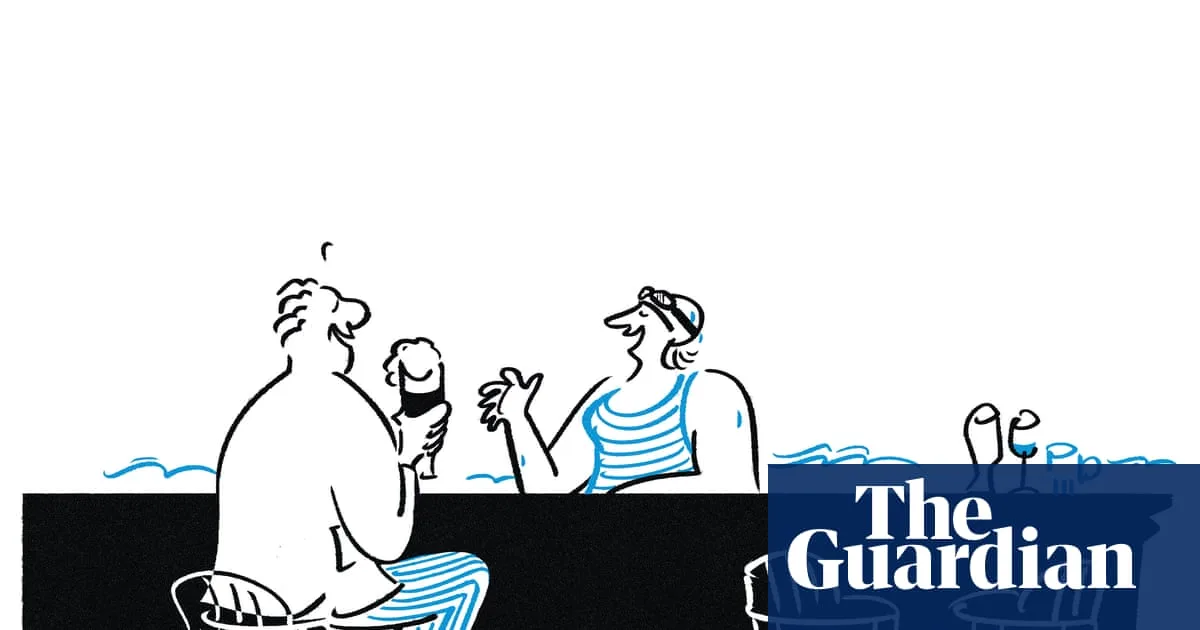
There's currently a campaign to secure Unesco cultural heritage status for Iceland's pools. As Helgason succinctly puts it: "You Britons go to the pub, but we go to the swimming pool."
Ancient Fermentation Traditions Preserving Ukrainian Health
While sauerkraut, gherkins and kefir have become fashionable across Europe, fermented foods represent a centuries-old staple in Ukrainian culture. Felicity Spector, London-based author of Bread and War, has witnessed this tradition firsthand through her work with Bake for Ukraine, which operates a mobile bakery in Mykolaiv.
"Most Ukrainians, or certainly their parents, maintain some land for growing fruit and vegetables," Spector explains. "They've perfected preservation techniques for winter months when nothing grows. This practice originated during Soviet times when people distrusted shop availability, and continues today during power outages and attacks."
Ukrainian chef Olia Hercules introduced Spector to lacto-fermentation using salt and brine rather than vinegar. The process involves dry salting vegetables, weighting them down or covering in brine, then storing in darkness for about ten days before sealing for up to a year.
Spector describes discovering "rows and rows of filled jars in basements, cupboards or even under beds." While not always consciously pursued for health benefits, these naturally fermented products contain probiotics that strengthen gut microbiome, restore natural balance and reduce inflammation.
Beyond familiar fermented items, Ukrainians preserve numerous fruits to bridge winter's hungry gap. "There's really nothing that's not been put in a jar," Spector marvels, having recently acquired tangy fermented plums.
Swiss Eating Patterns and Dutch Wind Therapy
In Switzerland, structured eating represents another European health tradition. Rather than constant grazing, Swiss Germans traditionally observe five scheduled meals: zmorge (breakfast), znüni (mid-morning snack), zmittag (lunch), zvieri (afternoon snack) and znacht (dinner).
"Most Swiss people average around four meals," says Zurich dietitian Sandra Mikhail. "Lunch remains the day's largest meal to align with circadian rhythms and digestion - our metabolism and insulin sensitivity are generally stronger earlier."
This pattern offers multiple benefits: lighter dinners improve sleep quality, smaller frequent meals maintain steady energy levels, and regulated eating supports appetite control and weight management. However, Mikhail emphasises tuning into individual hunger cues rather than rigidly following meal counts.
Meanwhile, the Dutch have perfected uitwaaien - actively going outdoors to let wind clear the mind. Arie Boomsma, author of 10,000 Stappen Boek (10,000 Steps Book), explains this differs from niksen (the art of doing nothing). "Uitwaaien is active. You must move. A firm walk and strong wind can genuinely shift our mood and perspective."
Spanish Siestas and German Evening Traditions
Spain's famous siesta offers another health lesson, though reality differs from reputation. "Naps can significantly benefit sleep health if done correctly," says Madrid-based Polly Revaliente, co-founder of The Sleep Project. "Short early-afternoon naps of 20-30 minutes can improve alertness, memory and mood."
Timing proves crucial - lengthy or late naps can interfere with nighttime sleep, and insomnia-prone individuals should avoid them entirely. While the traditional midday shutdown has largely disappeared from modern Spanish workdays, the cultural appreciation for rest persists.
"Rest is embraced, especially at weekends, on holidays and by older generations," Revaliente notes. "What Spain arguably preserves best is the idea that rest isn't lazy - it's an essential part of life."
Germany's Abendbrot (evening bread) tradition demonstrates another healthy pattern. Ursula Heinzelmann, author of Beyond Bratwurst: A History of Food in Germany, recalls growing up in 1960s West Berlin where "the main warm meal always came at midday. Dinner typically involved sliced bread with cheese, ham, sausage and fresh seasonal vegetables."
This lighter evening meal aids digestion and sleep, though modern dual-income households sometimes shift the warm meal to evenings. Still, the focus on fresh, quality ingredients remains strong, particularly among younger Germans.
French Sophrology and Italian Digestive Walks
France has embraced sophrology - a relaxation method combining breathing exercises, muscle relaxation, gentle movements, visualisation and mindfulness. British GP Julia Bache, practising in Paris for 30 years, notes this practice has moved from fringe to mainstream, now taught in schools and covered by health insurance.
Sophrologist Sophie McGrath discovered the method as an anxious teenager through her grandmother. "It changed my life," she says. While more established in France, the practice is gaining British followers for stress management, birth preparation and exam nerves.
Italy's passeggiata offers another digestif - the postprandial walk. Dr Federica Amati, head nutritionist for Zoe, explains this tradition aids digestion because "gravity is our friend when it comes to our guts trying to move food through our bodies."
The social walk also provides metabolic benefits by utilising recently absorbed sugars and fats for muscle energy. Despite living abroad for 30 years, Amati maintains this habit, particularly when visiting Rome.
Scandinavian Sweet Control and Danish Community Dining
Sweden's lördagsgodis (Saturday sweets) tradition, established in the 1950s to combat tooth decay, represents another healthy pattern. "There are very few Swedish children unfamiliar with this concept," says Linnea Dunne, author of Lagom: The Swedish Art of Balanced Living. "It's an institution everyone lives by."
This weekly sweet ritual embodies the Swedish principle of lagom (just right) - recognising sweets shouldn't be daily consumed, so reserving them for Saturdays.
Meanwhile, Denmark revisits fællesspisning (communal dining), rooted in 19th-century soup kitchens. Judith Kyst of Madkulturen says this tradition addresses modern individualism, loneliness and screentime. "It demonstrates a desire to reconnect with community," she notes, adding that communal meals typically feature affordable healthy options like chickpea curries and greens.
When families eat together this way, children consume more fruit and vegetables, connecting with another Danish concept: madglæde - taking joy in food.
These diverse European traditions demonstrate that health isn't just about individual choices but cultural patterns that support wellbeing through community, moderation and enjoyment. As Britain faces its own health challenges, perhaps looking across the Channel could provide inspiration for creating healthier, more connected communities.