Reevaluating Ageing: The Authentic Markers Beyond Scientific Surveys
A recent study has sparked conversation by outlining twenty-five supposed indicators that an individual is no longer young. Conducted by American Pistachio Growers, this survey of five thousand people over forty includes familiar tropes such as reading menus at arm's length and preferring early nights. However, while some points resonate universally, many entries on this list feel disconnected from the genuine experience of ageing in contemporary society.
The Flawed Metrics of Modern Maturity
Certain items on the survey list, like groaning when bending down or enjoying quiet drinks over nights out, undoubtedly strike a chord with many. These reflect physical and social shifts that accompany advancing years. Yet other suggestions, such as "moaning about politics" or "sitting down to put socks on," seem misplaced. Political discourse today engages all generations, not just the older demographic. Meanwhile, the notion of standing to put on socks appears impractical and even hazardous, regardless of age.
The reality is that ageing manifests in subtler, more personal ways than any standardized list can capture. It is less about arbitrary habits and more about evolving perspectives and priorities. For instance, the survey misses the nuanced shift where comfort becomes a valued commodity, or where nostalgia intertwines with daily life in unexpected forms.

Fifteen Authentic Signs You Are Getting Older
To counter the generic nature of such surveys, here are fifteen genuine indicators that reflect the true essence of ageing:
- Discovering that cardigans are not only practical but also stylish, partly influenced by seeing younger models wear them.
- Developing an intense, perhaps excessive, interest in K-Pop to feel connected to youth culture, despite it feeling forced.
- Planning social outings based on the potential hangover and subsequent household chores the next day.
- Experiencing minor existential crises when familiar items, like eggs in a supermarket, are relocated without warning.
- Feeling a generational gap when sharing your birth year with younger individuals, who subtly frame it as their victory.
- Attempting to use new slang from online articles to impress children, despite knowing such lists are often exaggerated.
- Relying on children for technological assistance for the first time, marking a role reversal.
- Holding onto traditional items like wallets or Filofaxes, even as they cycle back into fashion, remembering their original era.
- For men, realizing the inefficiency of standing to urinate after a lifetime of the habit.
- Acknowledging that a hip flask received at eighteen now qualifies as vintage.
- Never using that hip flask, perpetually waiting for a special occasion that never arrives.
- Accepting that no occasion will ever justify using the hip flask, yet keeping it anyway.
- Noticing that YouTube ads increasingly feature older individuals discussing lumbar support in slow, clear tones.
- Experimenting with standing to put on socks due to misleading advice, only to risk falling over.
These points highlight how ageing intertwines with identity, memory, and adaptation, far beyond superficial checklists.
The Cultural Context of Ageing
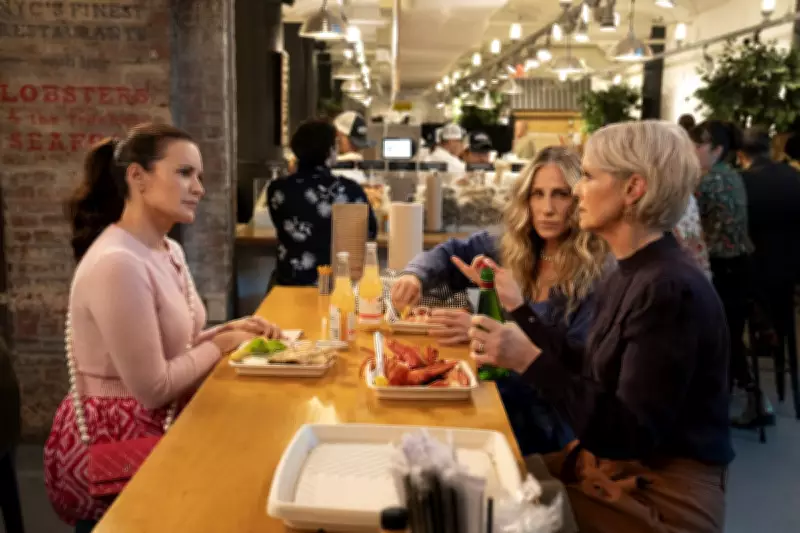
Ageing is not merely a biological process but a cultural one, influenced by media, technology, and social norms. Shows like Sex and the City have explored how women navigate middle age, reflecting broader societal shifts. Similarly, public figures adapting to maturity, such as musicians embracing adult responsibilities, underscore that ageing is a universal journey.
Ultimately, while studies like the one from American Pistachio Growers offer a starting point, they often overlook the personal and humorous realities of getting older. The true signs are found in everyday moments—whether it's the quiet satisfaction of an early night or the bittersweet realization that past trends have returned. Embracing these authentic indicators can foster a healthier, more relatable understanding of ageing, free from the constraints of generic surveys.