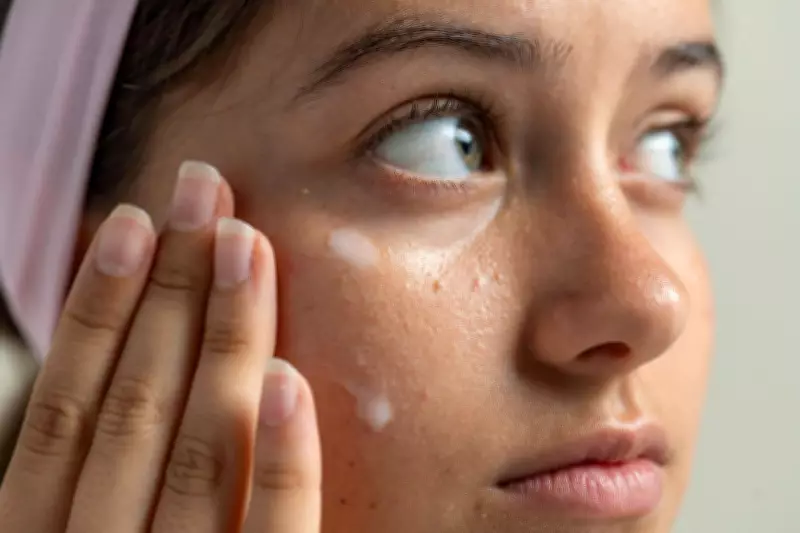
Understanding Milia: The Tiny, Stubborn Skin Cysts
Milia, commonly referred to as "milk spots" due to their small, white, droplet-like appearance, are tiny, pearly cysts that often cluster around the eyes and cheeks. Unlike whiteheads, they sit just beneath the skin's surface and are notoriously difficult to ignore once noticed. Attempting to squeeze them typically proves futile and can lead to skin damage, making professional advice essential for safe management.
What Exactly Are Milia?
Dermatologist Dr. Nora Jaafar, known online as Dr. Nora, clarifies that milia are firm, white cysts composed of trapped keratin, not oil. This key distinction means they are not a form of acne and lack the inflammation or pore opening associated with typical spots. Consequently, they feel harder and do not "pop" like pimples, and home squeezing often results in redness, broken capillaries, or pigmentation issues, especially in the delicate eye area.
Why Do Milia Form?
Milia arise from disruptions in skin cell turnover, where dead skin cells become trapped instead of shedding properly. Common triggers include heavy eye creams, thick occlusive skincare products, sun damage, and certain skin procedures. While mature skin is more prone due to naturally slower cell renewal, over-layering skincare routines can trigger milia at any age, particularly with the trend of multi-step regimens and rich overnight masks overwhelming the skin.

Can You Treat Milia at Home?
Dr. Jaafar strongly advises against squeezing milia at home, especially around the eyes, as it is unsafe and ineffective. While some milia may resolve naturally over time, persistent ones require professional removal, typically involving a sterile needle or blade to extract the keratin plug with minimal trace. For home care, the focus should shift to prevention through regulated cell turnover using retinoids and gentle exfoliating acids like salicylic or glycolic acid, applied a few times weekly. However, over-exfoliation must be avoided to prevent skin barrier damage and sensitivity.
What's the Safest Way to Prevent Them?
Preventing milia involves balancing skincare to encourage healthy cell renewal without overwhelming the skin. Retinoids are highly effective for long-term improvement in cell turnover. Daily sun protection with SPF is crucial, as UV damage can impair natural shedding and increase keratin trapping. For those prone to milia, opting for lighter gel-based or serum-style eye creams instead of thick formulas can reduce congestion. Simplifying routines to essentials—gentle cleanser, lightweight moisturiser, targeted treatments, and SPF—helps maintain skin health without excessive layering.
Are Your Skincare Habits Making It Worse?
Often, yes. Dr. Jaafar notes that rich eye creams, thick balms, and excessive layering, such as in "slugging" practices, can trap keratin under the skin. To combat recurring milia, it's advisable to simplify skincare routines, introduce actives gradually, and monitor skin responses. Hydration remains important but should not equate to heaviness; healthy skin prioritises what it actually needs over doing more. By adopting a balanced approach, individuals can effectively manage and prevent milia for clearer, healthier skin.