As the new year unfolds, a rigorous fitness challenge is once again commanding attention on social media platforms across the UK. The '75 Hard' programme, along with its milder variants '75 Soft' and '75 Medium', is currently trending, amassing millions of views on TikTok as users pledge to transform their mindsets and bodies.
What is the 75 Hard Challenge?
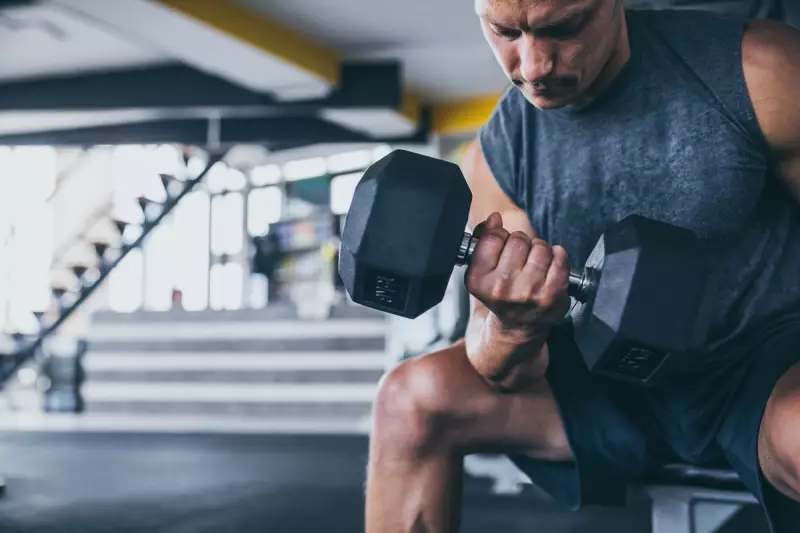
The challenge, which originated from entrepreneur Andy Frisella in 2019, demands participants adhere to a strict set of rules for 75 consecutive days. It is not a new concept but has found renewed virality. The core daily tasks are non-negotiable: completing two separate 45-minute workouts, one of which must be outdoors, drinking a gallon of water, reading ten pages of a non-fiction book, following a specific diet without any cheat meals, and taking a daily progress photo.
The stakes are high. If any single task is missed, participants must restart the entire 75-day journey from day one. Many individuals add their own stipulations, such as abstaining from alcohol or maintaining a daily journal.

Television presenter Paddy McGuinness, 52, recently showcased his impressive results from the challenge to his two million Instagram followers. Having started in September, he praised the programme on Saturday 10 January 2026, stating it was "really amazing" what could be achieved with willpower in a short timeframe.
Expert Analysis: Mindset Gains vs. Sustainability Concerns
Fitness and wellness professionals are divided on the challenge's merits. Penny Weston, a wellness expert and director of MADE wellness centre, acknowledges potential benefits. "These types of challenges can be a great way to build healthy habits that you can implement into your routine even after the challenge has been completed," she says. She notes that having a fixed end date can provide powerful motivation.
Author Emily Austen, who wrote 'Smarter: 10 lessons for a more productive and less-stressed life', attributes the trend's appeal to the 'fresh start effect'. This psychological phenomenon sees people more likely to pursue goals after a temporal landmark like a new year, offering a sense of renewal. For success, Austen advises tailoring the challenge to personal energy levels and reframing language from "I have to" to "I get to".
However, significant concerns have been raised about its intensity. Counsellor and eating disorder specialist Ruth Micallef criticises the trend for pushing people to work against their bodies in an "unsustainable and non-intuitive way." She emphasises that our nutritional, physical, and psychological needs vary daily, and true health requires "sustainable, compassionate pathways."
GP Dr Jeff Foster warns that some rules, like drinking a gallon of water daily, are not medically advised for everyone. His recommendation is simpler: "Just find something you like... The key is find something that’s sustainable that you actually enjoy so you can stick to it in the long term."
Exploring Sustainable Alternatives
For those seeking a less extreme path to self-improvement this January, experts suggest more manageable approaches. The 1 Percent Rule advocates improving by just one per cent each day, leading to significant compounded growth over a year. Research supports that small, incremental habit changes, such as gradually increasing physical activity, are far more likely to yield lasting, sustainable results than drastic, short-term challenges.
Austen also cautions against social media comparison, urging people with full-time jobs and families to avoid comparing their 75 Hard journey to that of someone with more free time. The consensus among many health professionals is that long-term wellness is built on consistency and enjoyment, not punitive, all-or-nothing rules.