Exploring the High-End World of Gut Health Retreats
As the multi-billion-dollar wellness industry expands across Europe, a new wave of luxury medical spas is emerging, offering intensive week-long programs dedicated entirely to gut health. These exclusive retreats, which can cost upwards of $7,000, promise personalised care through hay detoxes, cryotherapy sessions, extensive medical examinations, and tailored nutrition plans.
A Nutritionist's Personal Experience in Austria
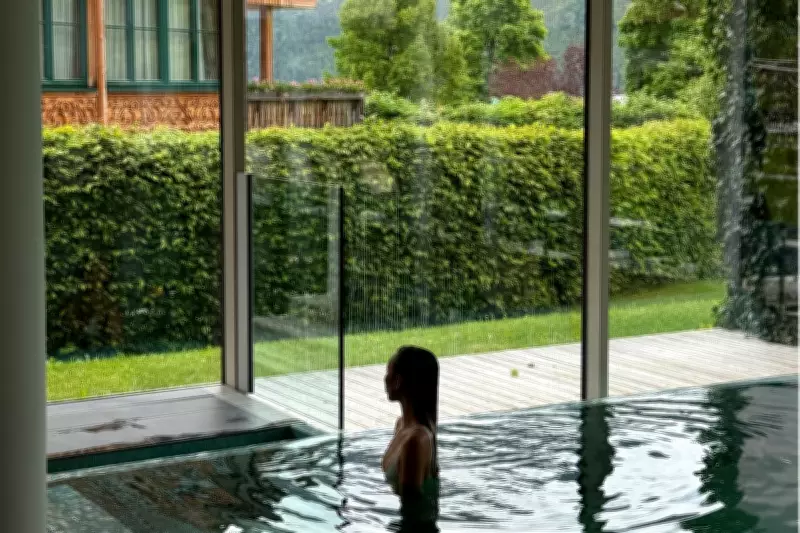
Stephanie Robinson, a 28-year-old London-based nutritionist and influencer with 264,000 followers, recently spent seven days at Mayrlife Medical Retreat in Altaussee, Austria. She described the experience as reminiscent of summer camp, though instead of typical camp activities, her itinerary included rigorous health treatments aimed at understanding and improving her gut microbiome.
Robinson's stay, gifted by the clinic in exchange for social media promotion, would typically cost up to $20,000. Upon arrival, she underwent comprehensive medical tests that revealed magnesium deficiencies and digestive issues linked to coffee, gluten, soy, and dairy. Based on these results, she received a strict personalised meal plan eliminating sugar, carbohydrates, and gluten.

"It's pretty intense, your body is going through quite a bit," Robinson noted. "The first few days, I felt like I had the flu." However, she soon reported feeling lighter, more energetic, and noticed significant improvements in her skin clarity.
The Rigorous Daily Routine and Treatments
Robinson's days were structured around both spa rituals and medical interventions. She received IV drip infusion therapy to deliver nutrients directly into her bloodstream and underwent cryotherapy sessions in chambers set to -180 degrees Celsius. She also participated in hay detox treatments, where her body was wrapped in hay on a waterbed to stimulate metabolism and liver function.
A key rule for all retreat participants was chewing each bite of food 40 times before swallowing to aid digestion. Robinson practiced with a "chewing trainer" of buckwheat bread before meals. Her daily diet consisted of bland, restrictive foods: a boiled potato with plain yogurt for breakfast, chicken breast with cooked vegetables for lunch, and soup with chia seed oil for dinner. Snacks were prohibited, and drinking water during meals was discouraged to avoid diluting digestive juices.
Scientific Backing and Lasting Results
While these retreats offer science-backed interventions, experts caution about their long-term effectiveness. Avery Zenker, a registered dietitian based in Ontario, explained that short-term programs may not guarantee lasting gut health improvements. "Sometimes, people also don't know how to integrate everything they did on the retreat back into their lives," she said.
Branislav Mucina, Mayrlife's marketing director, emphasised the holistic approach of their programs. "Gut health is actually directing your whole wellbeing and your health," he stated. "The whole retreat is a holistic concept, so it's not only the gut and nutrition, but it's also our mental health and movement therapies."
Other Participants' Experiences and Discoveries
Matilda Bea Lawlor, a 26-year-old London influencer, paid approximately $6,800 for a week at Mayrlife with her mother in February 2025. Her stay included four hours daily of mixed spa treatments and medical assessments, such as salt scrubs, spiritual yoga classes, food sensitivity tests, and VO₂ Max testing. Surprisingly, Lawlor discovered she had a stomach parasite and candida overgrowth, conditions she treated with medication afterward.
Similarly, Claire Ezekiel, a 35-year-old content creator from Michigan, visited Buff Medical Resort in Konstanz, Germany, for a five-day gut health program costing around $7,723. Her experience featured comprehensive heart examinations and the same dietary restrictions, though she faced social media backlash accusing her of glorifying eating disorders. Ezekiel defended the medically supervised nature of the retreat, stating she didn't feel deprived.

Post-Retreat Adjustments and Reflections
Despite the intensive programs, participants acknowledged the challenge of maintaining retreat habits in daily life. Robinson has since eliminated sparkling beverages due to bloating concerns, while Lawlor became more conscious of her sugar intake and eating pace. Neither has fully adopted extreme practices like daily bone broth dinners or 40-chew counts, but both report meaningful, smaller lifestyle changes.
Lawlor reflected, "Maybe I had a slightly pessimistic view, but it wasn't until two weeks after the trip that I was like, 'Oh wow, that was quite amazing. It really did make a difference.'" She added that the retreat helped her become more attuned to her body and health goals.
Mucina clarified that Mayrlife doesn't promise complete healing in seven days but aims to guide guests toward sustainable healthy lifestyles. As gut health continues to gain prominence in wellness conversations, these luxury retreats represent both the possibilities and limitations of short-term, high-intensity health interventions.