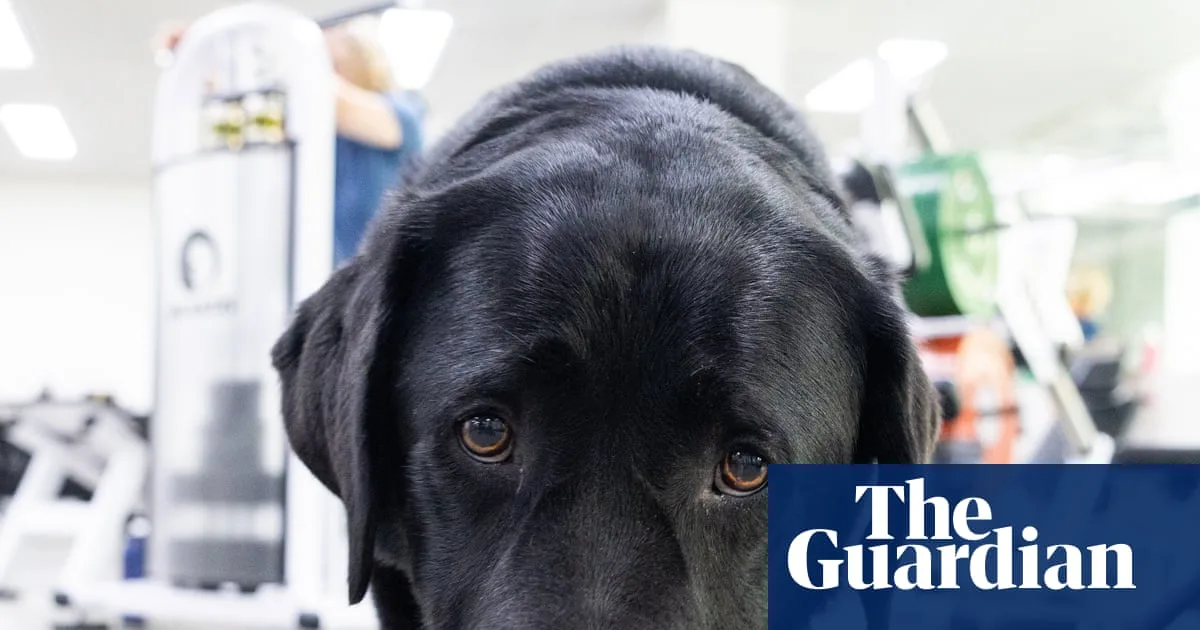
Marcus, a six-year-old black Labrador weighing 32kg, was initially trained as a guide dog by Guide Dogs NSW in Australia. However, he was deemed unsuitable for the role due to his slow pace and low motivation, described in his file as 'a sloth with a low drive to work'. Instead, he has found success as a therapy dog, comforting cancer patients and others in need.
Born at the Guide Dogs Centre in Glossodia, New South Wales, Marcus began his training as a puppy in April 2020, living with puppy raisers Alex and Alison. He quickly mastered basic commands like sit, drop, stay and come, but his leisurely approach to tasks—preferring puddles, naps and snacks over work—led to his 'reclassification' from guide dog hopeful to therapy dog candidate.
In 2022, Marcus was matched with oncologist Dr Lina Pugliano, founder of the Cancer Fit rehabilitation centre. He now lives with her family, including her husband and two children, aged 10 and seven. The application process took two years, during which Pugliano kept the news secret from her children to manage expectations.

Guide Dogs NSW reports that in 2025, 39 dogs completed guide dog training, while 93 were placed as therapy dogs across New South Wales and the Australian Capital Territory. Over 650 therapy dogs are now active in the community, working in settings such as courtrooms, schools, aged care facilities and with individuals affected by PTSD, autism or mental illness.
Therapy dogs must demonstrate a calm temperament, responsiveness to handler cues and enjoyment of physical touch. They are tested around wheelchairs, canes and medical equipment, and often need to unlearn training that discourages jumping on furniture, as they are frequently required on laps and beds. Marcus, with his affectionate and polite nature, fits this role perfectly.