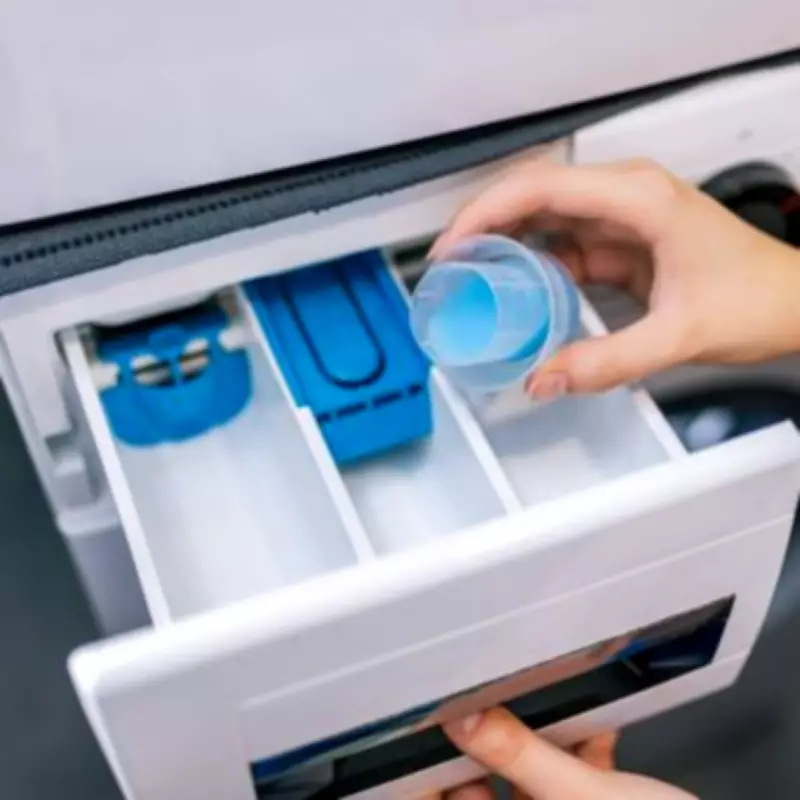
Keeping your washing machine clean is essential for fresh laundry, and if mould appears in the drawer, this budget method shared by Mrs Hinch fans is a game-changer. Maintaining your washing machine's cleanliness is absolutely essential – after all, it is responsible for keeping your clothes lovely and fresh. If it is not kept clean, it can make your clothes smell musty, which is less than ideal because you want to smell good. However, your washing machine can inevitably develop a bit of mould, so it is crucial that you tackle it the moment you spot it, rather than letting it deteriorate further to the point where you need a whole new machine.
How the Mrs Hinch Community Helped
One woman posted in the Mrs Hinch Cleaning Tips Facebook group, explaining she needed help cleaning her washing machine drawer and requesting recommendations. She said it had only been a handful of washes since she had thoroughly cleaned it, and it already looked disgusting. If left for much longer, the mould could take hold. She posted: "I cleaned this two weeks ago, and I have done a few wash loads since, and it is looking like this!" followed by a shrugging shoulders emoji. "Can anyone help or suggest why this has happened?" the woman enquired.
The comments section was packed with people reassuring her it was completely normal, sharing their best suggestions for preventing its return, and demonstrating how to tackle it if it does reappear. One woman suggested, "It is normal, it happens to everyone. After you wash, open the drawer to let the air circulate. I also keep my door open, so you do not get the fusty smell too. Hope you get it sorted." Another put forward their favourite solution for eliminating mould using a kitchen cupboard essential. They posted: "Take it out and put it in the dishwasher. If not, give a good scrub with a toothbrush. White vinegar sounds like a good idea. Might prevent this from happening again." Vinegar can be bought from some supermarkets for as little as 65p. One person also suggested cleaning after each wash to prevent mould from forming in the drawer. Others mentioned that keeping it open when not in use helped them eliminate the mould and prevent its return.

Why Does White Vinegar Work Well Against Mould?
White vinegar works well on mouldy washing machine drawers mainly because it is acidic. That mild acetic acid lowers the surface pH, which helps break down the thin biofilm that mould and bacteria live in, and it also helps loosen the grime that tends to build up in detergent drawers – a mix of detergent residue, fabric softener oils, limescale and general muck. Once that film is disrupted, the mould is much easier to wipe away. It is also good at tackling the specific kind of gunk you usually find there. Fabric softener and some detergents leave a slightly greasy, sticky coating that traps moisture and spores; vinegar helps cut through and lift that residue so the drawer does not stay as hospitable to mould afterwards. In hard-water areas, limescale contributes to rough surfaces and deposits that hold onto dirt – vinegar reacts with those mineral deposits and helps dissolve them, which again makes cleaning more effective.
How to Banish Mould with White Vinegar
Ventilate the room and keep kids and pets away from the area while you work. Spray undiluted vinegar directly onto the mould until it is thoroughly wet. Leave for 60 minutes – contact time helps kill spores on non-porous surfaces. Scrub, especially grout, tile edges and corners. Wipe clean with a damp cloth. Dry completely – this is crucial to stop it coming back. Repeat if needed. Vinegar may kill mould, but staining can remain and need extra passes. While vinegar is excellent at cleaning and helping remove mould staining and buildup, it is not always the most reliable mould killer compared with dedicated disinfectants. People often see big results because removing the residue and scale removes what mould is clinging to, and that can make it look like the vinegar has killed everything even when it is mainly stripped the environment the mould likes.