Runners Embrace Unusual 'Churn and Burn' Technique to Make Butter on the Move
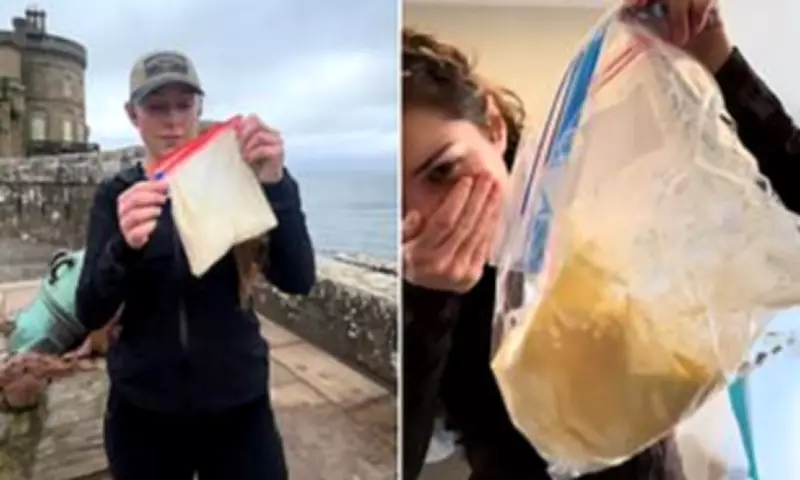
While most people simply head to the supermarket when their fridge runs out of butter, a growing community of fitness foodies is adopting a highly unconventional method to create their own. This innovative approach involves taking Ziploc bags filled with double cream on jogs, resulting in a fresh batch of butter by the end of the workout. The trend, which first gained traction on TikTok through American influencer 'Libs', has been dubbed the 'churn and burn' and is now captivating runners worldwide.
The Viral Origins and Global Participation
The 'churn and burn' phenomenon originated on TikTok, where influencer 'Libs' showcased the technique, sparking a wave of imitation. Dozens of enthusiasts have since joined in, running miles to achieve the perfect butter consistency. For instance, creator @ksk2203 from Scotland braved windy, blustery weather during a five-mile run to make her own butter, ending up pleased with the results. Similarly, @alu_swagermaster embarked on an eight-mile run with a bag of double cream securely tucked into her jogger's vest, demonstrating the trend's appeal across diverse climates and distances.
Social media platforms are now flooded with videos from runners across the globe expressing astonishment that the method 'actually worked'. They often share images of yellow, chunky butter produced in their bags, which they then wash with water and sprinkle with salt. Many enjoy this homemade butter as part of a post-workout snack, adding a personal touch to their fitness routines.

How the 'Churn and Burn' Process Works
The process is remarkably straightforward and offers a less laborious alternative to traditional arm-churning methods. It relies on the physical separation of cream into its components: fats and liquids. As runners shake the Ziploc bag during their jogs, the agitation causes the cream to transform. According to the Massachusetts Farm School, the cream first turns into whipped cream before separating into butter and buttermilk. The end result is a solid fat-based product, butter, and a liquid with minimal fat content, buttermilk. Butter produced this way can last significantly longer than milk, even at room temperature.
To achieve optimal results, it is crucial to shake the bag for the right duration, as the cream progresses through distinct stages. After separation, the buttermilk should be carefully poured out, possibly using a strainer. The butter then requires rinsing with cold water two to three times before being shaped into a ball or other forms. Once prepared, it can be stored in the refrigerator for about a week in a tightly wrapped or sealed container.
Historical Context and Flavour Variations
Homemade butter has been a staple for centuries, but it experienced a resurgence during the Covid-19 pandemic. As people were confined to their homes during lockdowns, many sought activities to complement their baking endeavors, such as making sourdough bread. This renewed interest has highlighted the unique characteristics of homemade butter, where each batch can vary significantly based on factors like the breed of cow, the time of year, and numerous other subtle influences.
For example, butter made with Irish milk often exhibits a startling, almost luminous yellow hue due to the high beta carotene content in the grass, which is influenced by the local climate. In 2023, Ben Ambridge, chef and owner of The Fox's Revenge restaurant in Newquay, Cornwall, shared insights with the Daily Mail, noting that Cornish dairy farms benefit from coastal nutrients brought by rain clouds, resulting in milk that produces exceptional butter. This diversity in flavour and texture has contributed to the popularity of butter churners as sought-after kitchen gadgets.
Economic and Health Considerations
Despite its fun and innovative nature, the 'churn and burn' method is not necessarily more economical than purchasing butter from supermarkets. At Tesco, a 300ml container of British double cream costs approximately £1.70 and yields around 200 grams of solid butter. In comparison, a 250-gram block of butter from the supermarket is only slightly more expensive at £1.99. Therefore, while the homemade approach offers a unique experience, it does not provide significant cost savings.

Some food bloggers argue that making your own butter is healthier, citing its freshness, reduced preservatives, and the ability to control salt content. However, no official organisations have endorsed these claims, leaving the health benefits largely anecdotal. Ultimately, the 'churn and burn' trend represents a creative fusion of fitness and culinary experimentation, appealing to those seeking novel ways to enhance their workouts and diets.