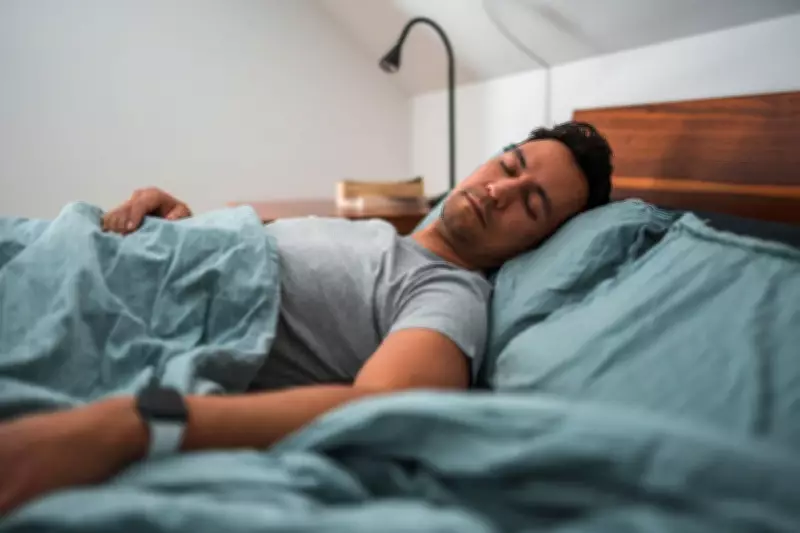
The Rise of the 'Sleep Divorce'
The concept of a 'sleep divorce', where couples opt to sleep in separate beds or even different rooms, is experiencing a notable surge in popularity. This trend has been embraced by numerous celebrities, bringing it into the mainstream conversation about relationship and health dynamics.
Intimacy Versus Sleep Disruption
Traditionally, sharing a bed has been viewed as a cornerstone of intimacy in relationships. It can foster closeness, strengthen emotional attachment, and promote feelings of safety through synchronised physiological rhythms between partners. However, this arrangement is not without its drawbacks.
Common issues that lead to sleep disruption include a partner's snoring, mismatched sleep schedules, medical conditions like sleep apnoea, or life events such as pregnancy and shift work. These disturbances can significantly impair sleep quality for one or both individuals.
Health Implications of Poor Sleep
Insufficient or poor-quality sleep resulting from these disruptions can have far-reaching consequences. It negatively impacts physical health, weakens immune function, disrupts metabolism, and impairs emotional regulation. Over time, these effects can create strain within relationships, as fatigue and irritability may lead to increased conflict and reduced patience.
Weighing the Decision
Ultimately, whether to sleep together or apart is a highly personal decision that depends on individual partners and their unique relationship dynamics. For some couples, separate sleeping arrangements offer significant health benefits, including improved sleep quality and reduced stress. This, in turn, may enhance overall relationship satisfaction by allowing both partners to be well-rested and emotionally balanced.
Experts suggest that couples consider their specific circumstances and communicate openly about their sleep needs. What works for one partnership may not suit another, making flexibility and understanding key components of this decision-making process.