Therapists Reveal How to Thrive When Living Alone in Later Life
For many individuals, the transition to living alone during later life stages—often triggered by significant events like divorce, bereavement, or children leaving home—can be an emotionally turbulent and profoundly unsettling experience. This period frequently brings a complex mix of grief, deep introspection, and pervasive loneliness. However, while undoubtedly challenging, this new chapter also presents unique opportunities for personal growth, a chance to re-evaluate life goals, and to cultivate greater self-reliance. Therapists have highlighted common struggles that people face during this adjustment, offering valuable advice on how to not just cope, but truly thrive in this evolving phase of life.
Common Fears and Issues When Starting to Live Alone
"Living alone creates fewer distractions and a lot more time and space to be with our own thoughts and feelings, and that can be quite confronting," explains Susie Masterson, a BACP-registered psychotherapist and relationship coach at Ultraliving. She notes that this abundance of alone time often prompts people to reflect on their life and grow anxious about the future. "That can be quite destabilising for some people, particularly if things haven't gone right, or if they have experienced a loss," Masterson adds. "It can cause them to feel isolated and depressed about their current situation, and many people struggle to lift themselves out of this negative spiral."
The absence of a comforting physical presence from loved ones can be particularly hard to adjust to. "People get very used to sharing a space with somebody and having that companionship. Even small moments of acknowledgement, such as saying thanks for a cup of tea, can be very comforting," Masterson observes. Debbie Keenan, a BACP senior accredited psychotherapist, emphasises the communication gap: "Many of us rely on the people that we live with for communication, empathy and compassion, and for that to suddenly go can leave many people in limbo. When people have been in a partnership for a very long time, they might not know what direction to go in or how to exist on their own."

Practical Tips for an Easier Transition
Create Structure: "Be consistent and proactive about putting things in place so you've got anchor points to feel safe, whether that's taking the dog out for a walk in the morning or having lunch at the same time every day," recommends Masterson.
Think About the Benefits: "When you live with a partner or children, there are always constraints as you have to fit your life around their lives," says Masterson. "However, when you are on your own, the world is your oyster. You can really start to think about what is important to you and what pace you want to go at."
Keep Reaching Out to People: "Be proactive about connecting to other people, because it's very easy to become isolated," advises Keenan. "Keep reaching out to people to maintain and foster those relationships, because nobody will come and hand it to you on a plate."
Try New Things: "Treat things as an experiment," suggests Masterson. "It's a brilliant opportunity to discover who you are, what you like, what you don't like, and when you do, the future will seem brighter."
Stay Active: "Get up and do something every day, whether it's a 20-minute walk or some chair exercises," recommends Keenan.
Create a Security Network: "A lack of control can make people feel uncomfortable, so recognise this fear and put things in place," says Masterson. "Build your security network of family, friends, and/or neighbours who you can ask for help or notify when you feel unsafe or lonely."
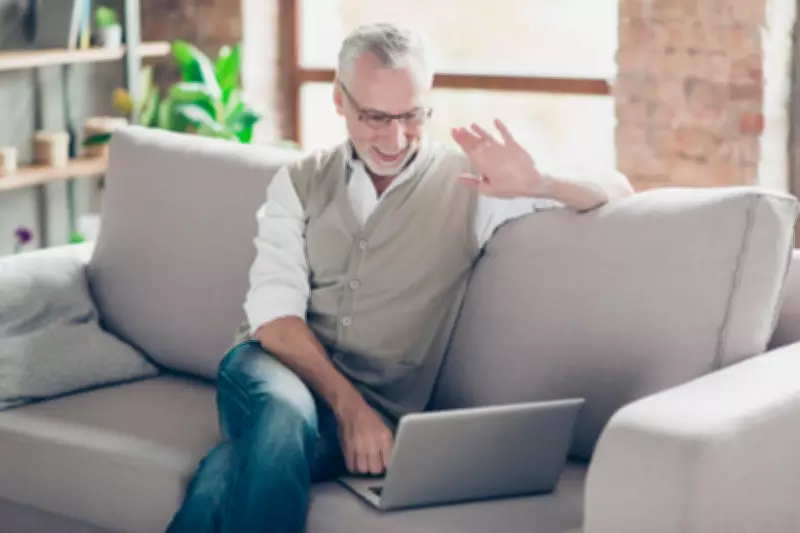
Utilise Technology: "Try to get involved in technology if you can, because it can help you stay connected with relatives and social connections from all over the world," suggests Keenan.
Make Your Environment Homely: "Make your home a safe haven," advises Keenan. "Put some music on and do whatever gives you comfort. Stock up the cupboards with food that you enjoy and make yourself a comforting drink."

Consider Getting a Pet: "Stroking a pet can help boost your endorphins, as well as other happy hormones like oxytocin," says Keenan. "Pets, especially dogs, love you unconditionally no matter what kind of day you're having, which can be really reassuring."
Try Mindfulness or Meditation: "It can be incredibly rewarding to be able to sit in stillness," notes Masterson. "Try to schedule meditation or mindfulness into your routine every day."