Finding Peace Amidst the Sawdust: Woodworking as Unexpected Therapy
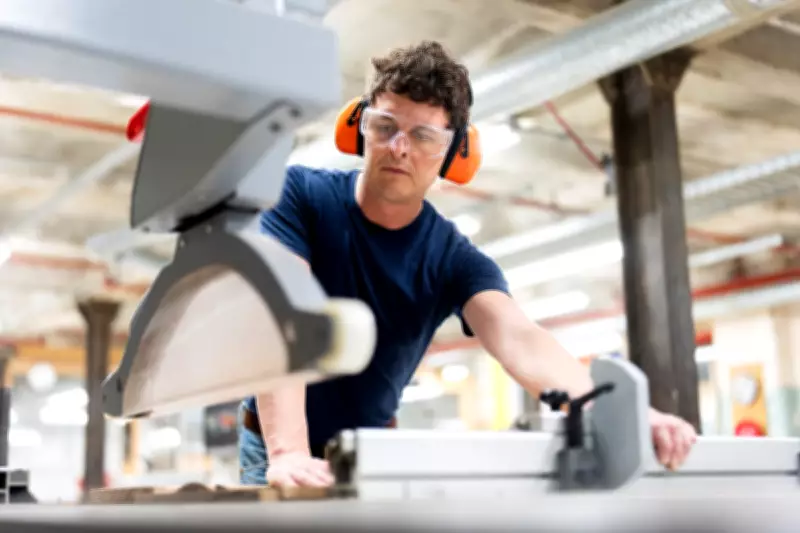
Nick Buckley stands at his workbench at the Victorian School of Woodcraft in Melbourne, carefully guiding timber through a saw. This scene represents more than just craftsmanship—it marks a profound personal journey from psychological turmoil to therapeutic recovery through woodworking.
The Panic That Changed Everything
My first panic attack struck on New Year's Day 2022, initiating months of debilitating episodes that left me desperately craving serenity. Following a traumatic event that fundamentally altered my experience of the world, I found myself stumbling through a psychological maze with no clear exit. The constant anxiety created an overwhelming need for something stable and grounding in my life.
Woodworking emerged in my consciousness as a potential sanctuary—a place where I might find reprieve from the mental chaos. The call of timber became undeniable, leading me to the Victorian Woodworkers Association in North Melbourne. I selected this institution for its reasonable pricing, emphasis on traditional craft, and the impressive pedigree of its experienced tutors.

From Monastic Expectations to Noisy Reality
Entering the basement workshop for my first class, I anticipated monastic peace, slow craft movements, soft timber grains, and the quiet wisdom of experienced artisans. Instead, my frayed nerves encountered what felt like a multi-year hazing ritual: limb-severing machinery, deafening industrial noises, amateur embarrassment, constant compromises, and inevitable mistakes.
My initial project involved creating three cabinets to house my record collection, turntables, and DJ mixer. I began by mapping designs on large MDF panels, imagining I would avoid power tools entirely and dovetail my way to recovery through traditional joinery techniques. My new instructor, Isabel Avendaño-Hazbún—a hilarious sculptor and textile artist—gently redirected my ambitions, explaining that mastering dovetailing requires decades of practice.
"Power tools were the only realistic path forward," she advised, convincing me to set aside my romanticized aspirations for more practical approaches.Safety First in the Workshop Environment
I quickly learned to heed Isabel's warnings if I wanted to exit the workshop with my body intact. When she shouts "Buckley, what are you doing?!" across the machine room, it's to prevent me from severing a hand or launching dangerous projectiles. Her supporting tutors, Jess and Brandon, provide excellent guidance while maintaining strict safety protocols.
Over three years, my progress has been gradual but meaningful. I've developed skills in:
- Timber selection and preparation
- Using jointers to prepare boards for gluing into larger panels
- Operating thicknessers to mill panels to precise dimensions
- Working with salvaged blackwood that matches my Condesa DJ mixer
The blackwood project required countless hours wearing protective masks to shield my lungs from the timber's hazardous fibers. I've gained confidence with various saws, biscuit and domino machines, drill presses, and both hand and table routers. The lathe remains intimidating, and handheld belt sanders seem to resist my efforts consistently.
The Workshop as Therapeutic Safe Space
Despite the inherent dangers and maiming jokes, the workshop has become a genuine safe space. Classes feature remarkable diversity, with people of different genders, ages, sexual orientations, and political beliefs working side by side at neighboring benches. This inclusive environment fosters unexpected connections and mutual support.
I've noticed my tutors' supervision gradually relax as my proficiency develops, and this growing trust makes me feel capable beyond the workshop's confines. Initially, my mental state made it difficult to match Isabel's passionate pace, but I've come to find her approach incredibly inspiring—particularly how she blends precision with roughness and experimentation.
"Against my natural inclinations, she's teaching me to accept things as they are," I've realized through our work together.
Slow Progress and Beautiful Results
One of Isabel's creations—a scaffolding of dowels, braided rubber inner tube, and cylindrical sawdust bricks—resembles something from Frank Herbert's Dune universe, specifically what Paul Atreides might endure during the Gom Jabbar test of humanity. The book's famous litany applies perfectly to my workshop experience: "I must not fear. Fear is the mind-killer."
Progress remains slow and frequently frustrating, with impatience invariably leading to damaged work. In three years, I've completed just two of my three planned cabinets, but I adore them completely. My favorite design elements include the light-catching brass plate record dividers and the rounded, stacked, and mitred batten bases that consistently draw compliments.
Woodworking's Transformative Impact
Woodworking has reconnected my mind to the physical world, reminding me that when I apply myself diligently, I can create beautiful, tangible objects. During the most distressing period of my life, woodworking became the one reliable positive constant each week. I'm improving at leaving emotional baggage at the workshop door, focusing instead on the craft before me.
I originally believed serenity would cure my panic attacks, but discovered that exposure therapy—confronting fears in a controlled environment—provided the treatment I truly needed. It has been a full year since my last panic episode, a milestone I attribute significantly to my woodworking journey.
The workshop's combination of danger, creativity, and community has proven more therapeutic than any quiet meditation could have been. Woodworking didn't just teach me craftsmanship—it taught me how to rebuild myself, one careful cut at a time.