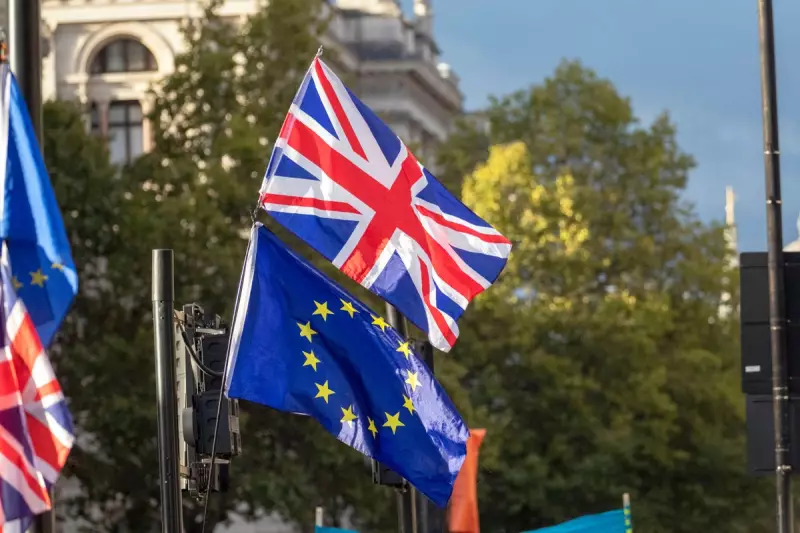
A seismic shift in British public opinion has been revealed, with a landmark poll showing that support for rejoining the European Union is now stronger in the UK than in two of its founding member states, France and Italy.
Poll Reveals Dramatic Reversal of Brexit Sentiment
The new survey, conducted by YouGov, indicates that half of all British voters would now opt to become a member of the EU again if a referendum were held today. This figure stands in stark contrast to the 31 per cent who would choose to remain outside the bloc.
This represents a profound reversal from the historic 2016 vote, where 52 per cent backed leaving the EU. The poll, published on Friday 2 January 2026, places UK support for EU membership above that found in both France and Italy, marking a significant moment in the post-Brexit political landscape.

Mounting Pressure on Starmer and Labour
The findings heap considerable pressure on Labour leader Sir Keir Starmer, who has consistently ruled out a return to the EU, its single market, or the customs union. His position was underscored recently when he condemned the "Brexit template" as "utterly reckless" during a speech by the Lady Mayor.
However, the poll's revelation of strong public sentiment for closer ties has exposed divisions within his own party. Prominent Labour figures including Wes Streeting and David Lammy have previously suggested that pursuing a deeper trading relationship or even rejoining the customs union could be a vital boost to the UK's stagnant economic growth.
The Soaring Economic Cost of Brexit
The shifting public mood coincides with a stark economic analysis highlighting the continued damage of the 2016 decision. According to recent studies, Brexit is costing the UK up to £90 billion every year in lost tax revenues.
This enormous financial shortfall has galvanised campaigners and business groups, who are increasingly vocal in their calls for the government to forge much closer ties with the European bloc. The combination of hard economic data and changing public opinion creates a potent political challenge for all party leaders as they navigate the UK's future relationship with Europe.
The poll suggests the long-term consequences of Brexit are still reshaping British politics, with a growing portion of the electorate now believing the economic and political costs have been too high.