Former US President Donald Trump has ignited a diplomatic firestorm with remarks that appear to belittle the sacrifices made by NATO allies during the conflict in Afghanistan. His comments, described as "careless, callous and disgraceful" by critics, have united political figures across the spectrum in Britain and beyond in condemnation.
A History of Alliance Disregarded
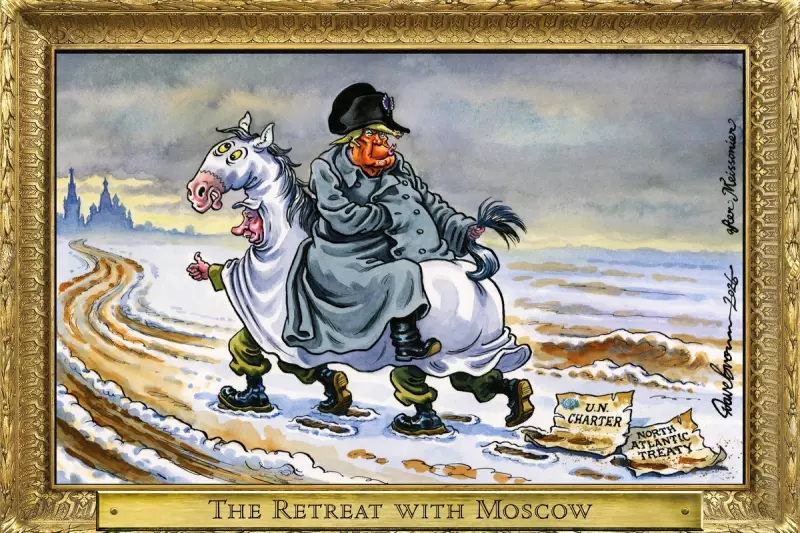
During a recent television interview, Trump suggested that NATO troops were positioned "a little off the front line" in Afghanistan. This assertion starkly contradicts the historical record of the post-9/11 period. For the first and only time in NATO's 76-year history, Article 5 of the North Atlantic Treaty was invoked by the United States, compelling collective defence. Allies, including the United Kingdom, responded without hesitation to President George W. Bush's call for support, a move sanctioned by international law and a United Nations resolution.
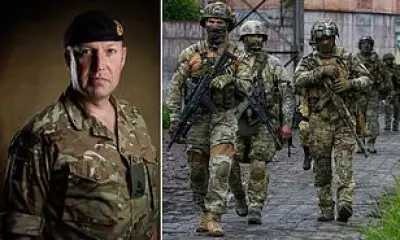
For nearly two decades, soldiers from allied nations fought and died alongside American forces in the streets of Kabul and the provinces of Helmand. Their blood, as observers note, mingled in the dust of a shared, gruelling campaign. The suggestion that these nations "never helped the US" stands in direct opposition to this documented solidarity.

Personal Record Versus Public Rhetoric
Trump's own military service history has been drawn into sharp contrast with his rhetoric. He received a medical exemption for bone spurs during the Vietnam War era, a fact often cited by critics when he comments on military sacrifice. This pattern of behaviour is not new; during his 2015 campaign, he notoriously mocked the late Senator John McCain, a former prisoner of war, stating, "He's a war hero because he was captured. I like people who weren't captured."
Analysts point to a recurring theme of what they describe as a "grim combination of vanity, childishness and insecurity" that prevents genuine respect for service personnel, whom he now frequently labels "warriors." This is juxtaposed against his adoption of military-style salutes during the national anthem, a gesture some view as performative given his recorded dismissals of certain service members' valour.
British Political Reaction: A Unified Front
The response from British political leaders has been swift and unusually cohesive. Prime Minister Sir Keir Starmer initially labelled Trump's comments as "wrong," but later escalated his criticism, calling them "insulting and frankly appalling." He has publicly called for an apology from the former president, marking a significant shift towards a more forceful diplomatic tone from Downing Street.
Leader of the Opposition Kemi Badenoch, despite her Conservative party's traditional ties to the US Republicans, has also been combative. She has demanded an apology, retraction, or at least a clarification from Trump. This stance highlights her growth as a stateswoman during recent international tensions, notably the so-called Greenland crisis, where Trump previously expressed territorial ambitions.
Prince Harry, who served two tours in Afghanistan, released a statement emphasising that the sacrifices of British troops "deserve to be spoken about truthfully and with respect." This sentiment has been echoed by numerous veterans and serving military personnel, often using blunt, barrack-room language to express their dismay.
The Lone Voice of Acquiescence
Notably, the most prominent figure in British politics who did not immediately condemn Trump's remarks was Nigel Farage, leader of Reform UK. Described by some as a "performative patriot," Farage's silence on the issue has drawn criticism, with calls for him to prioritise British interests and reassess his support for the Trump-aligned Maga movement.
The Enduring 'Special Relationship' and NATO's Future
Despite the current furore, commentators stress that the UK-US "special relationship" and the broader NATO alliance are institutions built on decades of shared strategic interest, not merely the personal rapport between leaders. While Trump's presidency is viewed by many as a "fever dream," the transatlantic partnership, along with deep economic and cultural ties, is expected to endure beyond any single administration.

However, analysts agree that recent events, including the Greenland episode, have caused a significant "rupture," as termed by Canadian Prime Minister Mark Carney. The feeling is pervasive that the diplomatic landscape has been permanently altered. This shift is pushing European nations and other global "middle powers"—such as Japan, South Korea, Australia, and Canada—towards closer cooperation to counterbalance military superpowers and protect collective interests.
A Call for Renewed Unity and Action
The controversy has underscored a pressing need for allied nations to match rhetoric with concrete action and investment. A primary immediate focus is the ongoing support for Ukraine, ensuring it has the resources to prevail in its conflict. The episode serves as a stark reminder of the Cold War lesson that NATO's unity was its greatest strength, providing deterrence and ultimately victory without large-scale armed conflict.
Rebuilding that sense of unconditional alliance is now framed as a solemn duty for Western governments. It is presented as the most fitting way to honour the memory of those from all allied nations who made the ultimate sacrifice in past wars to secure collective freedoms. While Trump is unlikely to issue any retraction, the unified outcry may have already reinforced the foundational bonds he sought to question.