The United Kingdom is on the verge of a major educational and diplomatic shift, with ministers expected to confirm the country's return to the European Union's flagship Erasmus+ student exchange programme. This move, described as a 'first step' towards a broader 'youth free movement' initiative, is slated to begin in January 2027.
Financial Terms and Diplomatic Negotiations
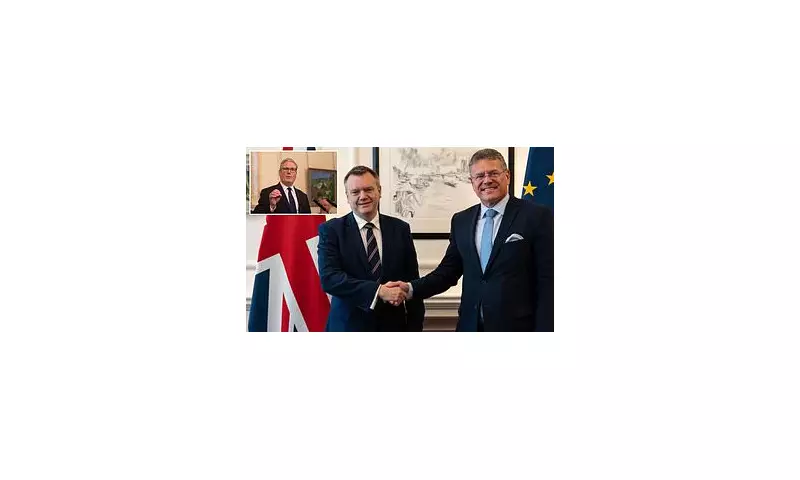
Despite concerns over the financial implications, the government is proceeding with the plan. The UK is anticipated to pay approximately £120 million per year into the EU scheme. Negotiations, led by Cabinet Office minister Nick Thomas-Symonds and the European Commission's Maros Sefcovic, have centred on the membership fee. While the UK pushed for a 50% discount on fees calculated on GDP, the EU offered only a 30% reduction for the first year—terms which Prime Minister Sir Keir Starmer has reportedly accepted.
The decision reverses the policy of the Boris Johnson government, which withdrew the UK from Erasmus+ and launched the domestic Turing scheme instead. The Johnson administration argued that staying in the EU programme would have incurred a net cost of £2 billion over seven years, a figure based on the historical trend of far more students coming to the UK than British students going to Europe.

Broader Implications and Political Reactions
This development is likely to fuel ongoing debates about the UK's post-Brexit relationship with Europe. Critics have expressed alarm that it signals Sir Keir Starmer's intent to 'unwind Brexit', especially after he linked the economy's poor performance to severed EU ties. While senior Labour figures have hinted at future moves like customs union membership, Downing Street has so far dismissed such speculation.
The announcement has been welcomed by the higher education sector. Tim Bradshaw, chief executive of the Russell Group, praised the decision, stating it opens up 'fantastic opportunities' for students and renews the contributions of EU students and staff. The scheme will allow British participants to engage in both university study exchanges and vocational training placements across Europe.
A Stepping Stone to Closer Ties?
For many, rejoining Erasmus+ is seen as more than an educational policy. Liberal Democrat universities spokesman Ian Sollom called it a 'crucial first step' on a roadmap to a closer UK-EU relationship, advocating for a bespoke customs union and a dedicated youth mobility scheme. Supporters argue that despite the net financial cost, the scheme delivers wider economic and cultural benefits that outweigh the annual fee.
With the deadline for joining in time for the 2027 academic year looming, a final agreement is expected imminently. A Cabinet Office spokesman declined to comment on the ongoing talks, but all indications point to the UK formally associating with Erasmus+ once more, marking a significant recalibration of its European engagement.