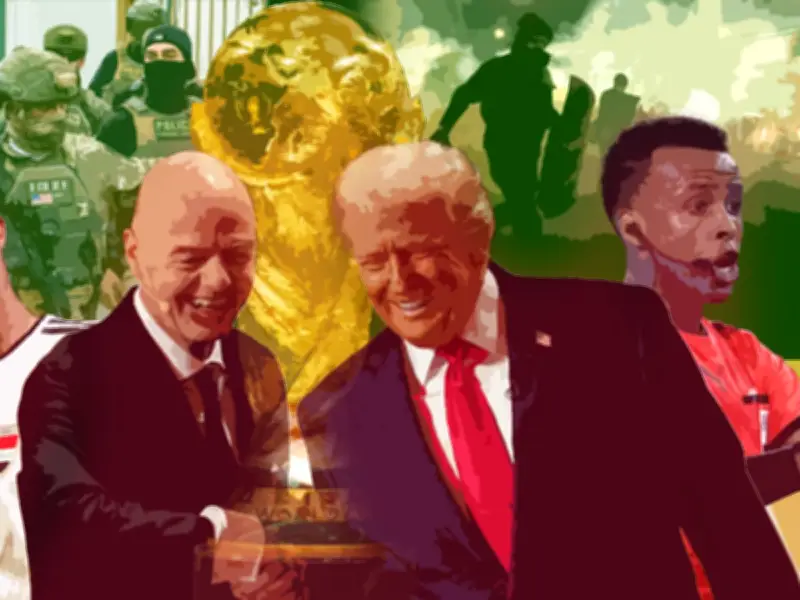
The 2026 World Cup, touted by FIFA President Gianni Infantino as the greatest event in human history, has become one of the most controversial tournaments ever. With a record 48 teams and joint hosting by Mexico, Canada, and the United States, the competition has been marred by politicization, high costs, and disputes over immigration policies.
Geopolitical Tensions and Travel Bans
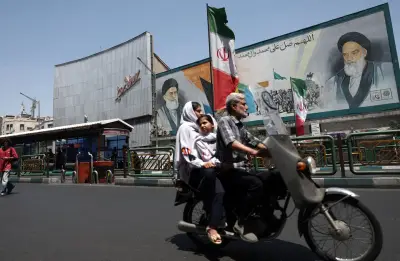
One of the most contentious issues is the US military conflict with Iran, a participating nation. Iran moved its base to Mexico after US and Israeli attacks in February, and a fragile ceasefire has not stopped ongoing clashes. President Trump suggested Iran should not participate for safety reasons, prompting a sharp response from Iran's football federation, which accused the US of denying visas to staff and revoking fan tickets. FIFA claims to be working on solutions.
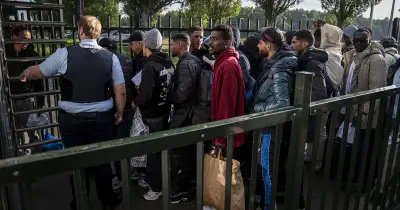
Somali referee Omar Artan was denied entry to the US despite valid documents, detained for 11 hours, and deported. Infantino urged calm, saying FIFA cannot control governments. Fans from Iran, Haiti, Senegal, and Ivory Coast face travel bans, while UK fans report revoked ESTA approvals at the last minute.

The Infantino-Trump Relationship
Infantino's close ties with Trump have raised eyebrows, including awarding Trump the inaugural FIFA Peace Prize. Critics accuse FIFA of facilitating a 'MAGA World Cup' and warn of 'sportswashing'. Amnesty International warns of repression risks due to US immigration enforcement, with at least 18 deaths in ICE custody this year.
Cost Controversies
The World Cup is the most expensive ever for fans, with average costs between $10,000 and $35,000. Ticket prices are the highest in history, with dynamic pricing inflating costs. FIFA faces investigations in New York and New Jersey for allegedly misleading fans. Train tickets to the final venue were hiked from $12.90 to $150 before being reduced. A ban on reusable water bottles was reversed after health concerns. Hotel bookings and fan numbers are below expectations, with England fan groups noting lower turnout than anticipated.