In a landmark legal move that could transform land management across Victoria, Indigenous elders have filed a comprehensive native title claim encompassing most of Melbourne and extensive regional areas.
The Scope of the Historic Claim
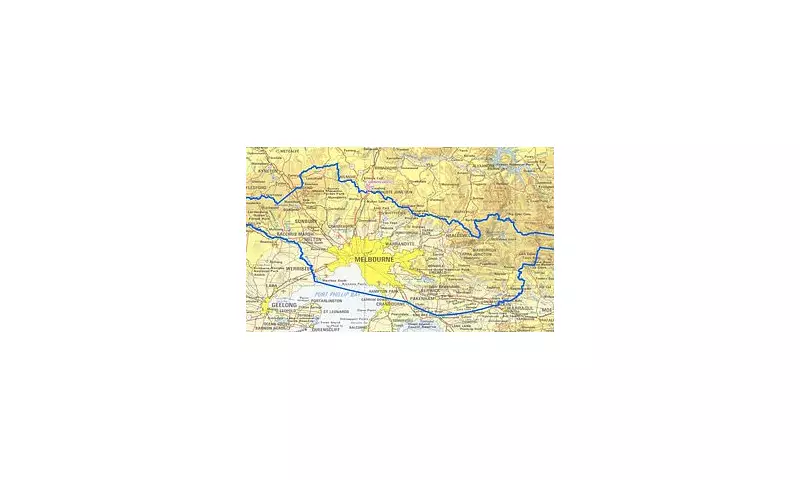
Eleven members of the Wurundjeri people lodged the claim with the Federal Court on Friday, seeking recognition over more than 10,000 square kilometres of territory. The vast area stretches from the Great Dividing Range to the Macedon Ranges, across the Yarra Valley and Mount Baw Baw, and down to Port Phillip Bay.
Significant Crown land sites falling within the claimed boundaries include the Melbourne Cricket Ground, multiple shopping centres, numerous golf courses, public parks, and beaches. The legal action specifically targets Crown land and explicitly excludes private properties, businesses, and infrastructure, ensuring no immediate impact on homeowners or commercial operations.
Potential Implications for Land Management
If successful, the native title determination would grant Wurundjeri traditional owners substantial influence over how affected land and waterways are managed. The recognised traditional owners would gain decision-making power over public land use and the right to consultation regarding activities within these areas.
Perhaps most significantly, Wurundjeri elders would obtain final authority in protecting culturally significant sites. This could directly affect how fire management strategies are implemented in bushfire-prone forest zones, integrating traditional knowledge with contemporary land management practices.
Wurundjeri elder Di Kerr emphasised that the legal process aims to secure formal recognition of their enduring connection to country. "We're very proud that this process is happening, and we want to walk together," Dr Kerr told The Guardian. "We don't want it to be separate. We want to have partnerships with governments and Parks Victoria so we can co-manage and look after that country."
Legal Context and Broader Native Title Landscape
Law firm Slater and Gordon is representing the claimants, building their case on historical evidence demonstrating the Wurundjeri people's continuous connection to the land. The evidence package includes documentation showing how elders have preserved and transmitted knowledge across generations, covering:
- Traditional ceremony practices
- Fishing and hunting techniques
- Indigenous language preservation
- Cultural art forms
The National Native Title Tribunal will now consider the claim alongside six other native title applications currently before the Federal Court in Victoria. Collectively, these claims cover most of the state, indicating a significant movement toward Indigenous land rights recognition.
This development follows successful native title settlements in other Australian cities, including the Noongar people's achievement over Perth in 2021 and the Kaurna people's success in Adelaide in 2018. To date, Victorian courts have granted seven native titles, while six claims covering the majority of the state remain pending.
The timing of this claim is particularly noteworthy, coming just one week after Victoria's controversial treaty legislation passed through Parliament. While formal negotiations between the government and the Indigenous representative body won't commence until July 2026, the government has scheduled a public ratification with the First Peoples Assembly at Federation Square on December 12.