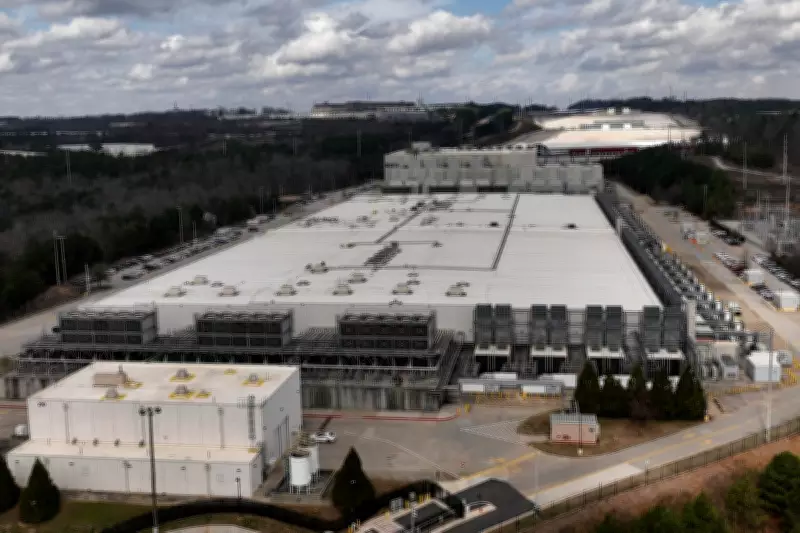
Maine's Democratic governor, Janet Mills, on Friday vetoed what would have been the first state-level moratorium on data center construction in the United States. The bill, passed by the Democrat-controlled state legislature, would have imposed a ban on data centers exceeding a certain size for more than a year and established a special council to assist towns in evaluating potential projects.
Governor's Rationale
Governor Mills explained that her decision to veto the legislation stemmed from the absence of a carve-out for a specific project in the town of Jay. This project, she argued, would bring much-needed jobs to a community that has faced economic hardship since a local mill closed. In a statement, Mills emphasized the importance of examining the impacts of large-scale data centers, particularly as artificial intelligence becomes more prevalent. She announced plans to issue an executive order creating a council to study these effects, stating, "I believe it necessary and important to examine and plan for the potential impacts of large-scale data centers in Maine... Given the serious conversations about data centers here and around the country, I believe this work should commence without delay."
Backlash from Democrats
The veto drew sharp criticism from within Mills' own party. State Representative Melanie Sachs, the bill's sponsor, expressed disappointment, accusing the governor of ignoring the will of the majority of Maine residents. "While a veto might protect the proposed data center project in Jay, it poses significant potential consequences for all ratepayers, our electric grid, our environment, and our shared energy future. This decision is simply wrong," Sachs said in a statement.

National Context
Proposals for data center moratoriums have been introduced in at least a dozen states, but Maine's was the only one to pass a legislative chamber. These bills have faced opposition from data center developers, chambers of commerce, tech giants, labor unions, and electric utilities. While some counties and municipalities in the U.S. have imposed moratoriums, opponents argue that local officials are best suited to make decisions about data center siting.
Resistance to data center proposals has grown rapidly in many communities, even as the Trump administration and many governors promote them as critical for economic growth and national security, especially in the AI race with China. However, voters are increasingly concerned about the enormous power consumption of data centers, and analysts have warned of potential blackouts in the mid-Atlantic grid in the coming years.