The question of whether Donald Trump operates outside the law or simply views it through a uniquely personal lens is a defining issue of contemporary American politics. His actions and rhetoric, both during his presidency and in its aftermath, have sparked intense debate about the very foundations of legal accountability and constitutional order.
The Core of the Controversy: Personal Code Versus Public Law
Observers and critics often accuse the former president of flouting legal norms and institutions. From challenging election results to his handling of classified documents and the events of January 6th, a pattern emerges where established procedures are frequently bypassed or directly contested. His public statements often frame investigations and legal proceedings not as neutral processes, but as partisan "witch hunts" or acts of political persecution.
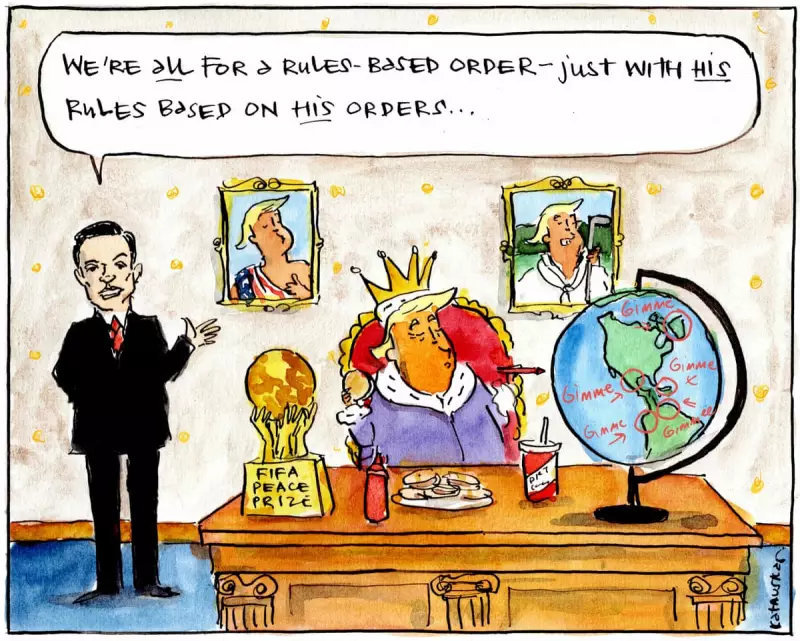
This perspective suggests a worldview where the law is not a fixed, impartial framework governing all citizens, including those in power. Instead, it can appear as a tool—one that is legitimate when it serves his interests and illegitimate when it opposes them. The central tension lies in whether this constitutes a rejection of the rule of law itself, or the application of a fiercely personal interpretation of it.

A Presidency Tested by Precedent
Key moments from Trump's time in office provide critical case studies. His use of presidential pardons, attacks on the independence of the Justice Department, and defiance of congressional subpoenas all pushed against traditional boundaries. Legal scholars argued these actions tested the resilience of the US constitution's systems of checks and balances.
The subsequent legal challenges following his presidency, including multiple indictments, have further cemented this narrative. His defence strategies often revolve around expansive claims of presidential immunity, arguing that actions taken while in office should be shielded from prosecution. This legal argument, unprecedented in its scope, underscores the fundamental clash: is a president bound by the same laws as everyone else, or does the office confer a special status?
Implications for Democracy and Future Leadership
The long-term consequences of this approach are profound. If a leader can successfully operate as a law unto himself, it risks eroding public trust in judicial and electoral institutions. It sets a precedent where legal compliance becomes optional, contingent on personal or political will. This challenges the principle that no one is above the law, a cornerstone of democratic societies.
Furthermore, it influences the behaviour of future candidates and officials. The normalisation of challenging electoral outcomes and dismissing unfavourable rulings could become a permanent feature of the political landscape. The debate, therefore, extends far beyond one individual; it is about the durability of legal frameworks in the face of concentrated power and populist challenge.
Ultimately, the question "Is Trump really as lawless as he seems?" may be less about specific illegal acts—which are for the courts to decide—and more about a governing philosophy. It reveals a stance where the law's authority is conditional, and its interpreters are viewed with suspicion unless they are allies. This represents a significant shift from traditional conceptions of presidential conduct and continues to shape the United States' political and constitutional future.