Residents across Queensland are facing staggering bills for basic public infrastructure as new figures reveal extraordinary spending on everyday items including a $48,000 barbecue and a $60,000 tap installation.
Staggering Examples of Council Overspending
The investigation uncovered multiple instances where ratepayers' money was spent on seemingly simple projects with eye-watering price tags. In Logan, a single barbecue installation cost taxpayers $48,000, while in Brisbane, the installation of a basic tap reached $46,000.
Even smaller projects attracted massive costs, with digging a 60cm-deep hole in Springfield costing $15,000 and four street trees planted on Ipswich Road costing $400 each to purchase and plant - though the trees have since died.

According to Calamvale councillor Emily Kim, playground equipment has become particularly expensive, with one children's climbing net being quoted at $60,000. A footpath leading to Stretton State College came with a $200,000 price tag, while a concept design for a pedestrian crossing in Pallara cost $36,500.
Regulatory Burden Blamed for Sky-High Costs
Both federal and state regulations are being identified as the primary drivers behind these inflated prices. Builders and councils face extensive compliance requirements and paperwork designed to prevent lawsuits, significantly increasing project costs.
The situation has become so severe that some councils have stopped declaring the price of small projects because of the embarrassment caused by their hefty fees, according to a former southeast Queensland politician.
Brisbane City Council's standard conditions of contract for construction averages about 79,000 words and spans 71 pages due to the city's modern standards, creating substantial administrative burdens.
Community Backlash and Council Responses
Logan councillor Jacob Heremaia stated that the community cannot stand for this level of spending and that constituents deserve proper value for money. "Councils do build public infrastructure with long life spans but at the end of the day inflation is not an excuse for bad project management," he told reporters.
Some councillors have taken matters into their own hands. Ipswich councillor Paul Tully revealed he bought a tree to create shade at Goodna Park rather than pay $80,000 for a sunshade structure. "Residents have no idea about the cost of council facilities. A new set of traffic lights at an intersection can easily cost more than $2million," he explained.
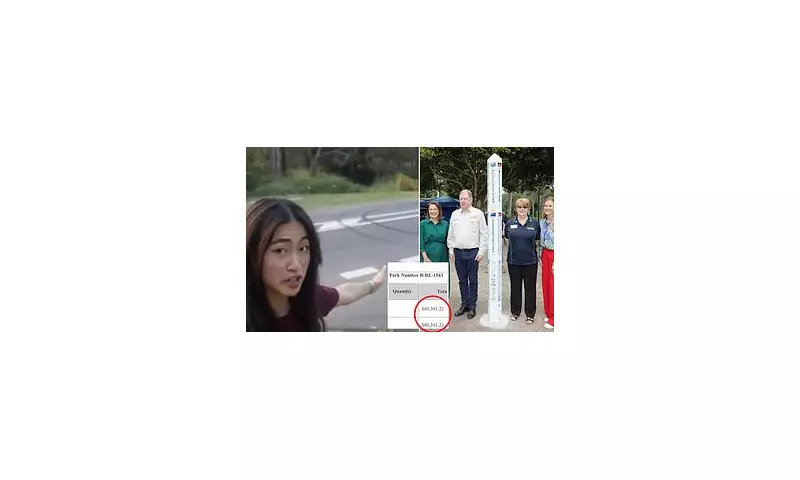
During a recent Brisbane City Council meeting, officials were quoted $60,341 for a tap and two seats in Tarragindi, required because a bushcare group needed access to water they previously lacked.
Spiralling Costs and Explanations
The problem of escalating costs appears widespread. Councillor Steve Griffiths reported being quoted $90,000 for a dirt BMX track in Salisbury in 2024, but this estimate ballooned to $450,000 after designs and a tender were completed.
Independent Redland councillor Wendy Boglary highlighted additional exorbitant prices, including 'soft fall' ground cover required at a playground that necessitated complete redesign of the area. "The quote for that was more expensive than the entire playground," she revealed.
Local Government Minister Ann Leahy defended the spending differences, noting that comparing council construction work to private projects is unfair because governments must spend massive amounts on insurance for their projects.
Various districts have attempted to explain the rising construction costs across Queensland. Brisbane's Deputy Mayor Fiona Cunningham claimed her council had cut spending due to rising construction costs, while Logan Council reported building materials had increased in price by 25% in just five years.
Sunshine Coast Council acknowledged that 'economic and regulatory pressures' were affecting all councils, while Gold Coast City Council and Redland Council assured ratepayers they were 'constantly working' to reduce costs.
The revelations have sparked calls for urgent reform of council procurement processes and regulatory requirements to ensure better value for Queensland ratepayers.