A councillor's radical solution to a local waste collection problem in Salford has ignited a firestorm of controversy, resulting in death threats and fears over community safety, ahead of a crucial vote.
The 'BrePxit' Proposal and its Origins
On the surface, Broughton Park in Salford, Greater Manchester, appears as classic British suburbia. Its leafy streets and period properties have seen house prices surge, attracting families from across the UK and abroad. However, this neighbourhood is also home to one of Europe's fastest-growing and largest Orthodox and Haredi Jewish communities, a fact that creates unique local needs.
With larger families being the norm—it isn't unusual for couples to have ten children—and stricter kosher rules limiting dining-out options, the area generates significantly more household waste. This includes more nappies and plastics. This demand clashes with the city's standard domestic waste collection, which occurs only once every three weeks.
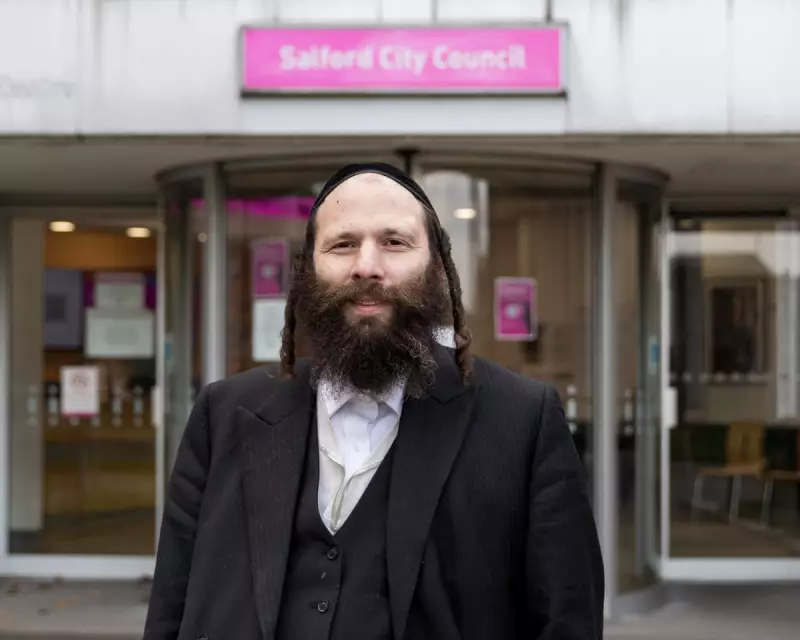
In response, Andrew Walters, Salford's rapporteur for waste, proposed a breakaway town council for Broughton Park. Dubbed 'BrePxit' (Broughton Park exit), the plan aimed to give residents more direct control over services like bin collections and public spending. Councillors in Salford are expected to vote on this 'Town of Broughton Park' proposal on 19 November.
Community Backlash and Safety Fears
What was intended as a pragmatic solution to a hyper-local issue quickly spiralled into a national controversy. The proposal sparked antisemitic rumours of a 'Jewish council taking over' and led to a significant backlash.
Andrew Walters revealed he has received death threats, which are now subject to an ongoing police investigation. The situation was further inflamed by a horrific, unrelated event: the 2 October attack on a Manchester synagogue just a mile from Broughton Park, in which Adrian Daulby, 53, and Melvin Cravitz, 66, were killed.
This week, Salford's City Mayor, Paul Dennett, issued a statement expressing his fear that the proposal risks damaging community relations and safety. His concerns were echoed in a powerful letter from 47 British rabbis, who urged him to veto the plan. They warned that creating a parish council perceived as an 'ethnic' enclave could jeopardise Salford's community harmony and generate 'strife, violence and hate crimes'.
A Democratic Process in a Tense Climate
The push for the new council began after a petition signed by at least 7.5% of local residents—about 1,000 people—triggered a community governance review. A source confirmed that Salford council received its largest-ever response to a public consultation on the matter, which included expressions of support, antisemitic messages, and fears of division.
Councillor Walters, an independent member for Kersal and Broughton Park, insists his 'hyper-localisation' plan was never intended to be ethnocentric. He emphasises that the area has significant white, black, and Asian populations and that the proposal is a standard democratic process recognised under statute. 'Anyone can stand as a councillor unless otherwise disqualified,' he stated.
He attributes the misunderstanding to the current anti-immigration climate and a fear factor exacerbated by recent terror attacks. Despite the turmoil, Walters, who is also a member of the interfaith Muslim Jewish Forum of Greater Manchester, believes the process has demonstrated a clear appetite for local democracy while underscoring the critical need for community cohesion.