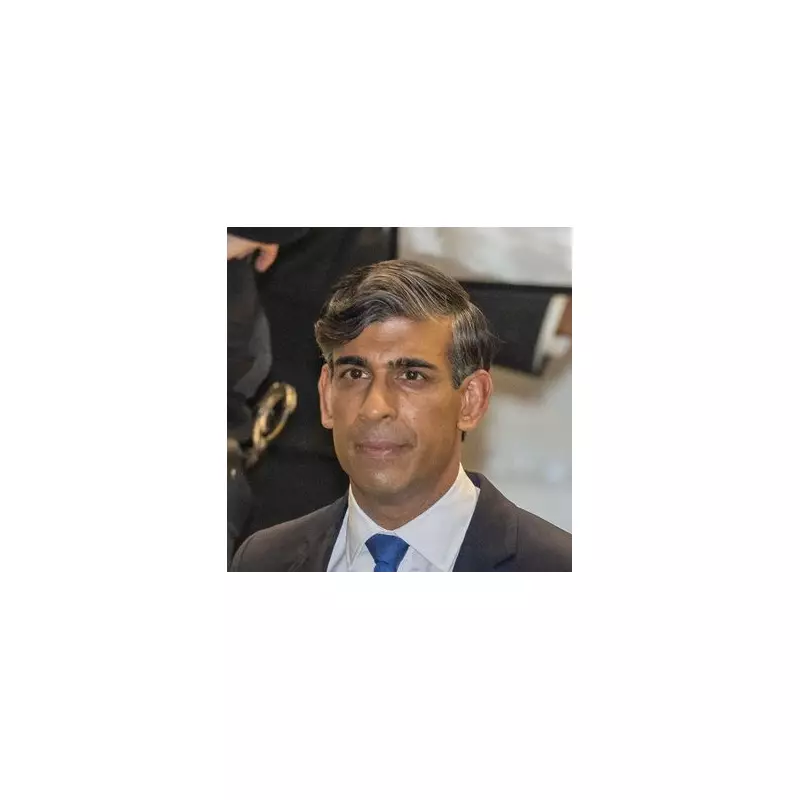
Former Prime Minister Rishi Sunak has claimed that ministers were advised against implementing Covid-19 restrictions "too early" due to concerns the public would not accept them.
Inquiry hears of 'inexcusable' government inaction
The ex-Tory leader, who was Chancellor when the virus began sweeping the UK in March 2020, gave evidence under oath to the Covid Inquiry on Monday. His testimony followed the publication of a damning report last month by the inquiry, chaired by Baroness Heather Hallett.
That report branded the government's initial inaction as "inexcusable", stating that repeated delays in bringing in restrictions cost thousands of lives and ultimately made full lockdowns necessary.

Sunak's defence of early pandemic response
Addressing the inquiry, Mr Sunak stated that the initial guidance from the scientific and medical community was to hold back. "Especially in those early conversations, a lot of what the medical and scientific community were advising us at that time was not to go too early with the various interventions, because they were worried about public acceptance of them," he said.
He explained there was a belief that voluntary measures and school closures might suffice. "Two or three days after, it was decided that wasn't going to be achievable, which is why we had to move to a full mandatory lockdown," Sunak added.
The former Prime Minister, who lost his position at Number 10 in last year's General Election, began his evidence by offering condolences. "I would like to extend my condolences to all those families who lost their loved ones during Covid," he said.
Economic fallout and the furlough legacy
Mr Sunak, who had been appointed Chancellor only in February 2020, emphasised the unprecedented nature of the crisis. "There wasn't a toolkit - there was not a playbook that you could pull off the shelf," he told the inquiry.
On the economic response, he admitted not every job could be saved but defended the government's actions. "It wasn't going to be possible to save every person's job... I thought it was important to be honest with people about that up front," he stated.
He insisted the aim was to prevent "mass unemployment" and pointed to the success of the Coronavirus Job Retention Scheme – furlough – which he announced in March 2020. The scheme, which ran until September 2021, supported around 11.7 million jobs at a cost of approximately £70 billion.
"I'm very proud that the government was successful in preventing mass unemployment," Sunak concluded, arguing the impact on jobs was "considerably better" than early forecasts.