Sydney's Unregulated Prayer Centres Face Council Crackdown After Bondi Attack
Multiple makeshift Islamic prayer centres operating without council approval across Sydney are facing intense scrutiny and enforcement action from local authorities. This crackdown follows heightened security concerns and the tragic Bondi Beach attack in December, which has prompted renewed focus on unregulated religious venues.
Centres Operating Without Proper Approvals
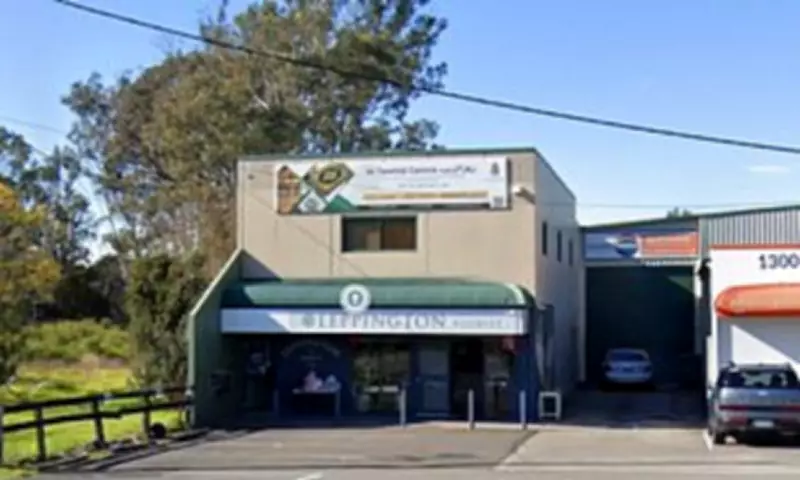
The Al‑Tawhid Centre in Leppington has been functioning for nearly two years above a florist shop, hosting daily prayer sessions, visiting clerics, and conferences without obtaining the required council permit. Simultaneously, Bayside Council is investigating the Rosebery Mosque, situated in a residential building above a fruit shop, amid allegations it lacks proper approvals to operate as a formal prayer hall.
Security sources have emphasized that these informal worship venues require closer examination from local councils. They warn that such establishments can enable unregulated preaching and present significant risks due to insufficient oversight and compliance with building regulations.

Connection to Bondi Attack and Security Concerns
The Al Madina Dawah Centre was closed by Canterbury‑Bankstown Council in January after operating as an unapproved prayer hall. Alleged shooter Naveed Akram, 24, is understood to have attended this centre, where preacher Wissam Haddad previously lectured, before Akram allegedly carried out the Bondi Beach attack with his father, Sajid, killing 15 people on December 14. Authorities stress there is no suggestion Haddad had any knowledge of or involvement in the incident.
Jewish security groups reportedly warned police last November that attacks on Jewish communities worldwide had been perpetrated by followers of fundamentalist Islamic movements, including 'Salafi‑Jihadism'. The Al‑Tawhid Centre promotes Salafism, an ultraconservative strand of Sunni Islam, and has been operating since April 2024 despite lacking council approval.
Political Response and Enforcement Actions
In January, Premier Chris Minns announced new measures targeting those using venues as places of worship without planning approval, aiming to prevent hate preachers from running what he described as 'factories of hate'. Federal Opposition Home Affairs spokesman Jonno Duniam echoed this sentiment, stating authorities cannot allow illegal prayer halls to operate as 'factories of hate' in suburban areas.
'There must be no backward step taken in shutting them down and there must be zero tolerance of any potential radicalisation occurring in our suburbs,' Duniam declared. 'Authorities need to be as vigilant as they have ever been in stamping out hate.'
NSW Opposition Local Government spokesman Tim James asserted that after the Bondi tragedy, strong and enduring action is necessary to eliminate unlawful prayer halls and ensure local councils can effectively monitor and act on such facilities.
Academic Insights and Council Investigations
Associate Professor Josh Roose, an expert on religion and violent extremism at Deakin University, explained that small 'hardline' groups linked to strict Salafi movements often maintain a low profile. These groups are typically not part of mainstream mosques and have frequently been asked to leave or have separated themselves because their views are considered 'too extreme' by the broader Muslim community.
'They prefer to stay under the radar, and sometimes this means they ignore local council rules about how buildings can be used,' Dr Roose noted.
Liverpool Council is preparing to issue a cease‑use notice that would formally prohibit the Al‑Tawhid Centre from operating as a prayer hall. A council spokesman confirmed they had investigated community concerns about the centre and initiated compliance and enforcement action. 'Council's priority is to ensure buildings and land are used legally and appropriately,' the spokesman stated.
A Bayside Council spokeswoman added that they are investigating the use of Rosebery Mosque and will take appropriate action as required, underscoring the widespread regulatory response across Sydney municipalities.