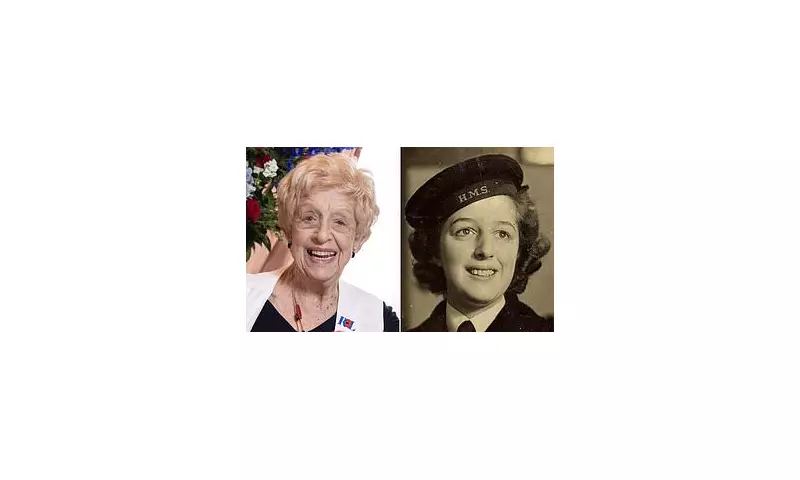
The UK has lost one of its last surviving links to the legendary Bletchley Park codebreaking operation. Ruth Bourne, who worked alongside Alan Turing to decipher the German Enigma code during World War II, has died at the age of 98.
A Secret Life of Service
After joining the Women's Royal Naval Service, known as the Wrens, Ms Bourne was selected for top-secret work. Originally from High Barnet in north London, she was posted to sites around Bletchley Park in Buckinghamshire. Her crucial role involved operating and checking the complex Bombe machines, which were designed to crack the ever-changing Enigma ciphers used by Nazi forces.
Like thousands of others, she signed the Official Secrets Act, binding her to silence. Ms Bourne, who was raised in a Jewish family from Birmingham, did not speak about her pivotal wartime contributions for more than 35 years. Her work, alongside that of her colleagues, directly enabled Allied forces to intercept and act upon German military plans, saving countless lives and shortening the war.

Recognition and a Lasting Legacy
In 2018, France honoured her service by awarding her the Légion d'honneur, the country's highest military distinction. The Taxi Charity for Military Veterans paid tribute on social media, stating: "Ruth's contribution to the monumental task of breaking the Enigma cypher was truly historic. Ruth was a remarkable woman with immense charm and charisma, and she will be dearly missed by all who had the privilege of knowing her."
The impact of the work done by Bourne and her peers cannot be overstated. Their efforts at Bletchley Park changed the course of World War II, contributing to key Allied victories. Furthermore, the technological breakthroughs achieved in the quest to automate codebreaking helped spark the development of early computers, paving the way for the digital age we live in today.
A Historic Contribution Remembered
The story of Bletchley Park is one of collective, clandestine brilliance. Ruth Bourne's passing marks the loss of another direct witness to that history. Her work as a Bombe operator was a vital cog in a vast intellectual machine that decrypted enemy messages with unprecedented speed.
Her life serves as a powerful reminder of the often-unsung contributions made by women during the war, and how their work in fields like signals intelligence had a profound and lasting effect on global history, security, and technology.