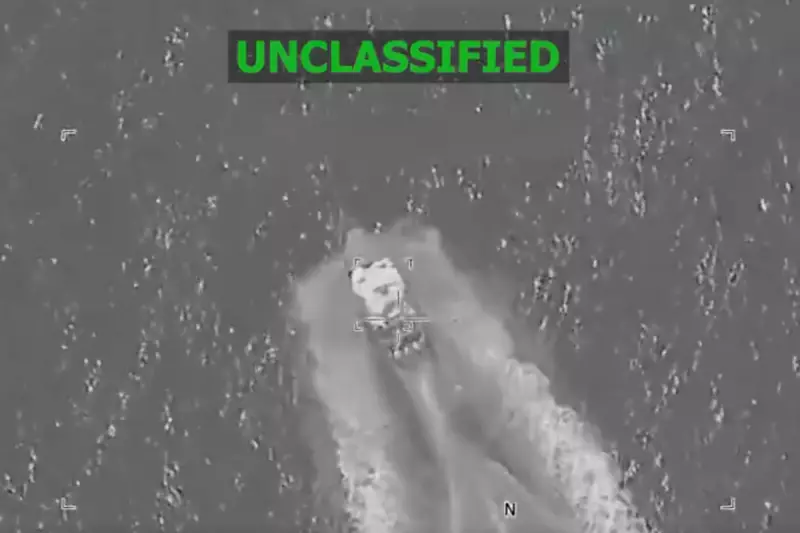
The United States military has conducted a lethal strike on a boat suspected of drug trafficking in the eastern Pacific Ocean, killing four individuals. The incident, confirmed by the US Southern Command on Wednesday, adds to a controversial campaign of maritime interdictions that has faced growing scrutiny from lawmakers.
Details of the Latest Strike
According to official statements released on Thursday 18 December 2025, the attack targeted a vessel allegedly operated by what the military termed "narco-terrorists." The boat was reportedly travelling along a known smuggling route. However, the US Southern Command did not publicly provide specific evidence to support its accusation against the vessel or its crew at the time of the announcement.
This marks the 26th known boat strike authorised under the current Trump administration. Since these operations began, they have resulted in a minimum of 99 confirmed deaths. The administration has consistently defended the aggressive tactic, arguing it is a necessary measure to disrupt the flow of narcotics into the United States and characterising the fight against cartels as an "armed conflict."

Political Backdrop and Congressional Scrutiny
The latest military action occurred on the very same day that the US House of Representatives voted on measures concerning presidential authority. House Republicans rejected resolutions that sought to limit former President Donald Trump's power to deploy military force against foreign drug cartels without explicit congressional authorisation.
This congressional debate has intensified following a previous, highly controversial strike where US forces reportedly attacked a boat a second time, killing two survivors of the initial engagement. Despite these concerns and increasing calls for oversight, efforts to require prior congressional approval for such strikes were blocked in the House.
Transparency and Future Implications
Adding to the controversy, a spokesperson for the administration, Hegseth, stated that video footage of the "double tap" boat strike would not be released to the public. The lack of transparency, combined with the rising death toll and the rejection of legislative checks, points to a deepening political divide over the scope of executive power in military engagements abroad.
The ongoing campaign in the eastern Pacific continues to raise significant questions about international law, the rules of engagement, and the long-term strategy for combating drug trafficking networks through the use of lethal force.