Fresh reports have revealed that a female IRA commander suspected of orchestrating the 1987 Enniskillen bombing has never faced justice, even as British soldiers who served in Northern Ireland are pursued through the courts.
The Unpunished Suspect and the 1987 Attack
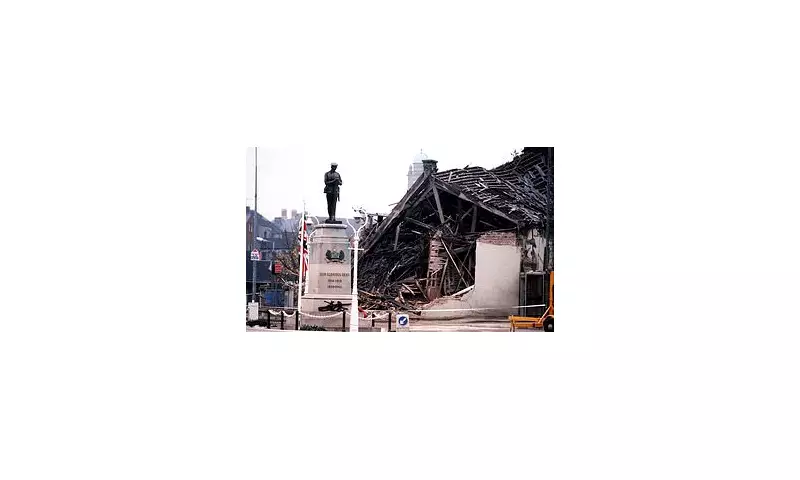
According to a recent Times podcast, The Poppy Day Bomb, the woman was identified by police as a key suspect in the attack on 8th November 1987. The Remembrance Sunday bomb killed 12 people and injured more than 60 in one of the bloodiest single incidents of the Troubles.
The suspect is described as the leader of an IRA cell at the time. Witnesses reported seeing a woman in a green dress carrying a brown paper bag outside the community centre where the timer-device bomb was planted. Following the attack, she is believed to have moved abroad, reportedly to the United States, before returning to the province.

Shockingly, the podcast suggests she has been seen in Enniskillen in recent months. Despite 13 arrests over nearly four decades, no one has ever been convicted for the atrocity. The IRA later admitted responsibility, stating it "deeply regretted" the event.
A 40-Year Search for Truth and Accountability
For the families of the victims, the past 37 years have been a relentless quest for truth and accountability. Multiple police reviews by the Royal Ulster Constabulary and its successor, the Police Service of Northern Ireland, have failed to result in any charges.
Furthermore, the UK government has consistently rejected calls for a public inquiry into whether security forces had prior intelligence that could have prevented the fatal blast. Many of those suspected of involvement are thought to still live locally, compounding the anguish for bereaved relatives.
Contrasting Fates: Suspects Walk Free as Veterans Face Prosecution
These revelations surface amidst growing controversy over the legal treatment of former security force personnel. There is mounting anger regarding the Labour government's replacement of the Legacy Act, which had provided qualified protections against prosecution for police officers and soldiers.
Under the new framework, the actions of Army and Royal Ulster Constabulary personnel are now being assessed against the standards of the 1998 Human Rights Act. This has left as many as 100 SAS soldiers, who confronted terrorists from all sides, facing the threat of retrospective legal action.
More than 210,000 people signed a petition opposing the removal of protections for Northern Ireland veterans. The government defends its new Northern Ireland Bill, stating the old Legacy Act was unlawful and did not offer real protection. A spokesperson claimed the new legislation delivers "six lawful and deliverable protections" designed with veterans in mind.
Nevertheless, the stark contrast remains: a prime suspect in a mass murder is reportedly at liberty, while those who served in uniform during the conflict live under the shadow of prosecution.