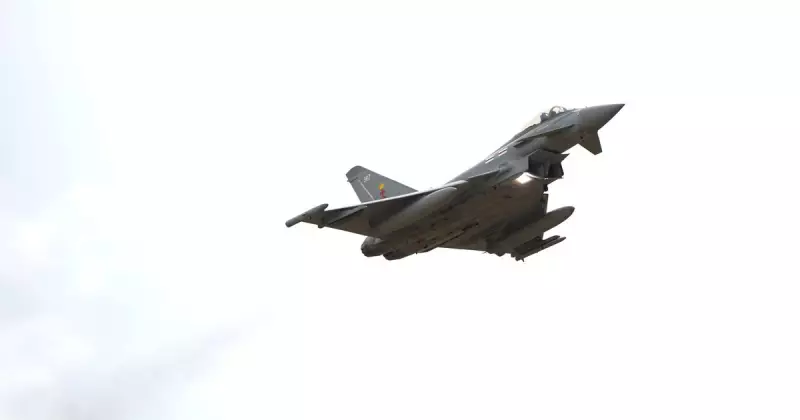
In a significant military operation, RAF Typhoon fighter jets have joined forces with French aircraft to conduct a targeted strike against an Islamic State stronghold in Syria. The action, confirmed by the UK's Ministry of Defence, targeted a subterranean complex believed to be used for storing weapons and explosives by the terrorist group.
Details of the Joint Military Operation
The coordinated attack took place on 3 January 2026, marking a renewed international effort to degrade ISIS capabilities in the region. According to official statements, the underground facility was identified as a key logistical node for the militants, highly likely used to stockpile arms and bomb-making materials. The involvement of the advanced Typhoon jets, equipped with sophisticated weaponry, underscores the ongoing commitment to counter-terrorism efforts beyond immediate UK borders.
International Coalition Efforts Continue
This operation highlights the continued collaboration between the UK and its allies, particularly France, in combating the residual threat posed by Islamic State factions. While major territorial control was lost by the group years prior, such strikes are deemed critical to prevent regrouping and disrupt planning for external attacks. The Ministry of Defence has stated that all necessary precautions were taken in the planning of this strike to minimise any risk of civilian casualties.

Strategic Implications and Future Actions
The successful mission demonstrates the RAF's enduring operational reach and the potency of the Typhoon fleet in multi-role combat situations. Defence analysts suggest that targeting underground infrastructure is a complex but essential task, as ISIS remnants increasingly seek shelter in hardened locations. This strike serves as a clear message that the international coalition maintains vigilant watch and the capability to act decisively against terrorist threats in Syria. The UK government is expected to continue its support for such operations as part of its broader national security and defence policy.