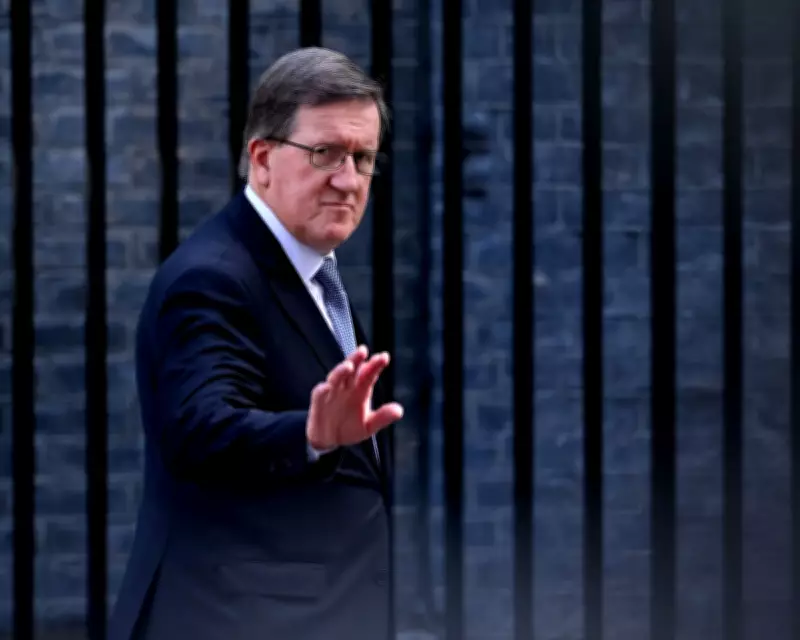
Government Adviser Condemns 'Corrosive Complacency' in UK Defence Strategy
George Robertson, a key government adviser and former NATO secretary general, has launched a scathing attack on what he terms a 'corrosive complacency' within the government regarding Britain's defence capabilities. His intervention highlights growing concerns over the nation's security posture and funding priorities.
Robertson's Call for Billions in Defence Cash
Robertson, who authored the government's strategic defence review, is demanding that Downing Street allocate billions of pounds to bolster Britain's military. He advocates for a role as America's junior partner, akin to Robin supporting Batman, emphasising global deployment and alliance commitments. However, critics argue this approach takes for granted the very premise of Britain's global military role, which should be under rigorous scrutiny.
Trump's Influence and Fragile Defence Assumptions
The fragility of Britain's defence assumptions is exposed by Donald Trump's actions, including his threats over Greenland, disregard for international law, and U-turn on the Chagos deal. Robertson claims a £28 billion black hole in defence funding, but this assumes the current strategy is correct. If that strategy—focused on global policing with the US—is questionable, the funding gap may reflect overstretch rather than insufficient spending.

Whitehall's Calculated Risk and Delayed Spending
Despite global dangers such as Russia's invasion of Ukraine, Iran's conflicts, and China's rising power, Whitehall calculations suggest Britain faces no serious imminent risk. Consequently, a rise in military spending is promised, but most increases are delayed until the 2030s. Robertson is furious that current defence plans remain underfunded and unresolved, constrained by the chancellor's fiscal restraints.
Historical Context and Economic Implications
Robertson's 1998 strategic defence review under Tony Blair committed Britain to acting primarily with the USA in global policing. Historian David Edgerton noted that only 15% to 20% of defence spending related to purely national defence, with the rest designed to maintain Britain as America's principal partner. The Treasury questions prioritising defence now, as cutting welfare could harm growth, and defence spending provides weak economic stimulus compared to public investment.
Re-evaluating Britain's Defence Posture
With Trump in office, Robertson's model faces scrutiny. Britain's recent purchase of 12 American F-35A jets, capable of carrying nuclear bombs, aims to participate more fully in NATO's nuclear sharing arrangements using US-controlled weapons. This raises critical questions: Whose security is being funded—Britain's or America's? Calls for more spending without retrenchment risk propping up an outdated global posture, urging a fundamental re-examination of defence commitments and autonomy.