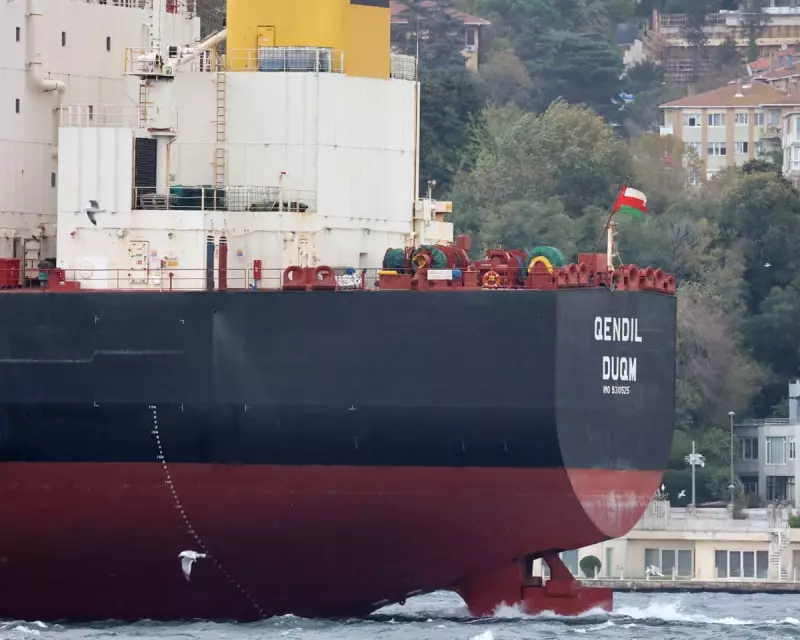
In a significant escalation of the maritime conflict, Ukraine has launched a long-range drone strike against a Russian "shadow fleet" oil tanker in the Mediterranean Sea, some 1,250 miles from its own borders. The attack, which reportedly caused critical damage to the vessel named the Qendil, represents the first such Ukrainian operation in the Mediterranean since the full-scale invasion began nearly four years ago.
A New Front in the Maritime War
The strike occurred off the coast of Libya on Friday, coinciding with Vladimir Putin's annual year-end press conference. A source within Ukraine's Security Service (SBU) described the mission as a "new, unprecedented special operation," though operational details such as the drone's launch point or flight path remain undisclosed. The source confirmed the tanker was empty at the time, averting a major environmental incident.
This action is part of Kyiv's broader strategy to disrupt Russian revenue streams funding the war. The so-called shadow fleet, estimated to include over 1,000 vessels, is used by Russia, Iran, and Venezuela to circumvent Western sanctions through deceptive practices like frequently changing flags and obscuring ownership.

The Target and the Aftermath
The targeted tanker, the Qendil, had previously been seen transiting the Bosphorus Strait in late October en route to the Mediterranean. According to tracking data, its last port call was in Suez, Egypt, on 16 December. Following the attack off Libya, the vessel turned back.
The SBU source asserted that the Qendil "sustained critical damage and cannot be used for its intended purpose," declaring it a legitimate military target for aiding sanctions evasion. "The enemy must understand that Ukraine will not stop, and will strike them anywhere in the world, wherever they may be," the source warned.
Growing Global Scrutiny of the Shadow Fleet
Ukraine's daring strike aligns with increasing international efforts to counter shadow fleet activities. This month alone, US forces boarded a sanctioned tanker off Venezuela, while European nations are bolstering surveillance in their waters due to mounting security and environmental concerns. These ageing vessels often sail without automatic identification systems, posing risks as they transport Russian crude.
Experts and European leaders have warned that some ships in this opaque fleet could be instruments of Russian hybrid warfare. The attack underscores the geographical expansion of the conflict and Kyiv's determination to project force against critical economic targets, even far beyond the Black Sea region where it has previously struck similar vessels.