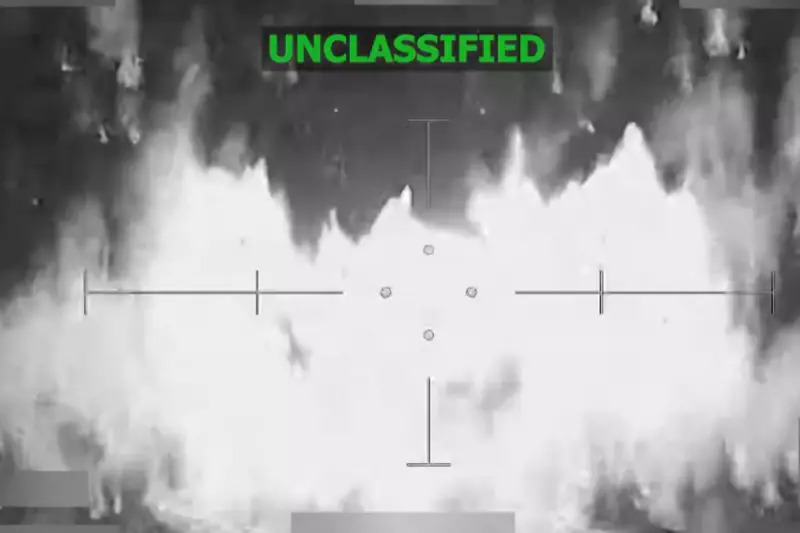
The United States military has conducted two new strikes in the eastern Pacific, resulting in the deaths of five individuals labelled as "narco-terrorists." The operations, which took place on Thursday, mark a significant escalation in a controversial campaign that has now claimed more than 100 lives since it began in September.
Details of the Latest Military Action
Authorised by US Defence Secretary Pete Hegseth, the strikes targeted vessels allegedly operated by designated terrorist organisations involved in drug trafficking. The Pentagon has released new footage of the engagements, which it says are a critical part of efforts to disrupt the flow of narcotics into the United States.
The Trump administration has explicitly linked this aggressive maritime campaign to its pressure strategy against the government of Venezuelan President Nicolás Maduro. Officials argue that the action is necessary to combat the threat posed by transnational criminal networks exploiting maritime routes.

Mounting Scrutiny and Allegations
This sustained military operation, however, faces growing international scrutiny. Critics have raised serious concerns, with some alleging that the tactics employed could constitute war crimes. These allegations gained traction following a particularly contentious "double-tap" attack on 2 September, where a target was hit twice in quick succession.
Republican lawmakers in the US have been quick to dismiss these claims, defending the strikes as lawful and vital for national security. The debate underscores the polarising nature of the administration's approach to counter-narcotics and foreign policy in the region.
A Rising Death Toll and Strategic Goals
With the latest fatalities, the total number of people killed in these Pacific boat strikes has now surpassed one hundred. This figure highlights the scale and intensity of an operation that shows no sign of abating. The consistent justification from Washington remains focused on severing key supply lines for drugs destined for American streets and applying economic and military pressure on the Maduro regime.
As the campaign continues, observers expect further operations, with the potential for increased diplomatic fallout and legal challenges. The long-term effectiveness of this hardline strategy in curbing the narcotics trade, versus its human and political costs, remains a fiercely debated question.