A proposed American peace initiative for Ukraine is being criticised as a dangerous precursor to further Russian aggression, according to security analysis from former MP and foreign correspondent Bob Seely.
The Historical Pattern of Russian Aggression
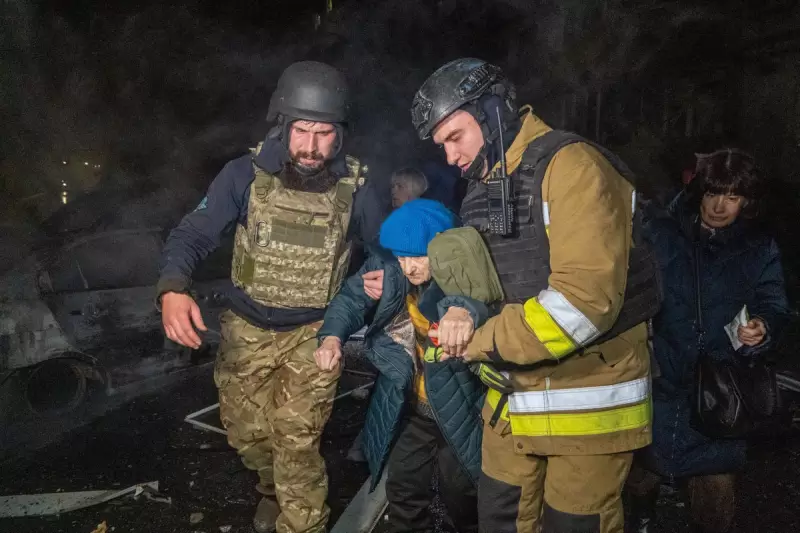
Drawing on his experience living in Ukraine during the 1990s, Seely recalls warning in November 1994 about Russia potentially relapsing into imperial adventure. He notes that while few predicted the current scale of devastation, which has left a million people dead or injured, some observers recognised early signs of Russia's aggressive intentions.
The failure of Russian reform during the chaotic 1990s created conditions for the resurgence of dark forces within the state apparatus. According to Seely's analysis, Vladimir Putin emerged as the figurehead for these interests, with evidence suggesting the FSB security service engineered the 1999 apartment bombings as a false flag operation to justify the Second Chechen War and consolidate power.

Russia's New Theory of Total Conflict
In his book The New Total War, Seely argues that Russia has developed a novel form of permanent conflict that integrates military and non-military tools. This approach, formally stated in Russian doctrine, employs political, economic, and information warfare alongside traditional military operations.
Contrary to common understanding, Seely contends that Russia's conflict with Ukraine began in 2005, not 2014 or 2022. He identifies three distinct phases: non-military pressure from 2005-2013, limited invasion from 2014-2022, and full-scale invasion from 2022 onward. At each stage, Putin escalated when previous strategies failed.
This conflict methodology extends beyond Ukraine, with Russia actively working to undermine Western interests through disinformation, political manipulation, assassinations, and sabotage. Recent incidents include damaged railway lines in Poland and regular MI5 interceptions of Russian agents in the UK.
The Dangerous Implications of Current Peace Talks
The current US-backed peace negotiations present a critical threat to Ukraine's future, according to Seely's assessment. Ukrainian President Volodymyr Zelensky has described facing a very difficult choice between losing dignity or risking a key partner, in an apparent reference to American pressure.
The proposed terms would require Ukraine to surrender territory not yet lost, abandon citizens living under Russian occupation, overlook mass casualties, and accept the forced transfer of tens of thousands of children to Russia. Combined with demands to shrink Ukraine's armed forces, these conditions would simply make future Russian aggression more likely and more successful.
Seely identifies Putin's three primary objectives as recreating Russia as virulently anti-Western, destroying Ukraine, and breaking NATO. The current peace talks function as a shaping operation for the next phase of conflict rather than a genuine effort toward resolution.
This analysis serves as a stark warning about the nature of 21st-century conflict and the urgent need for Western leaders to understand and counter Russia's integrated warfare strategy before democracy faces further erosion across the continent.