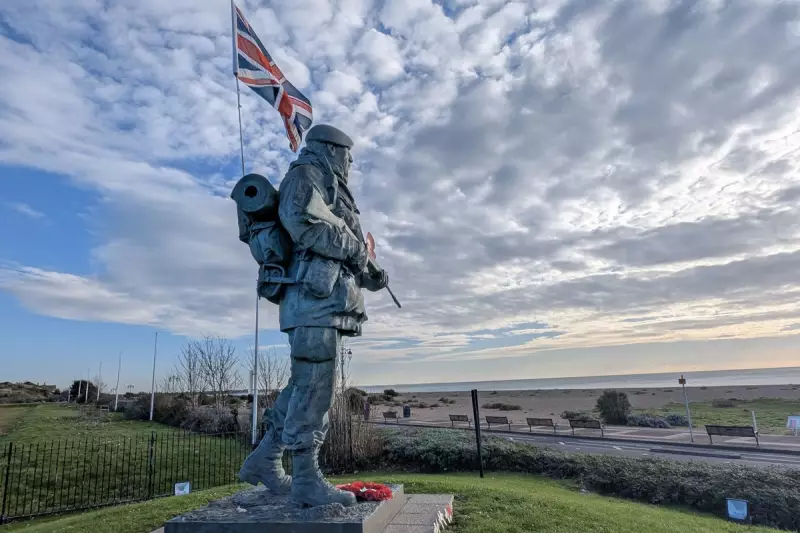
The iconic Yomper statue on Portsmouth's Southsea seafront, a powerful tribute to the Royal Marines' Falklands War efforts, has had its future secured for at least a decade following a highly successful public fundraising drive.
Overwhelming Public Support Surpasses Target
The National Museum of the Royal Navy (NMRN) launched an appeal to raise £9,000 to cover essential conservation work, including treatments to protect the bronze sculpture from 'bronze disease' for five years. The response from the public and key donors, however, was far more generous than anticipated.
Donations flooded in from members of the public, alongside significant contributions from defence company Lockheed Martin and Portsmouth City Council. This collective effort was boosted by match-funding from the Reed Foundation. The total raised exceeded £20,000, more than doubling the original target and enabling the NMRN to plan for a full ten years of preservation and care for the monument.

A Lasting Tribute to Marine Determination
Matthew Sheldon, Chief Executive of the NMRN, expressed profound gratitude. "Supporters have secured the Yomper’s future and for that I’m incredibly grateful," he said. "We set out to fund five years of vital conservation work, and the response has doubled that."
He highlighted that the campaign's success, led from Portsmouth but resonating nationally, is a powerful reminder of the public's enduring respect for the Royal Marines. The conservation effort aligns with the NMRN's wider commitment to telling their story, including the planned opening of the new Royal Marines Experience in Boathouse 6 next summer.
The Story Behind the Bronze Icon
The 18-foot bronze statue, officially named 'The Yomper', was crafted by renowned sculptor Philip Jackson and first unveiled in 1992. It stands proudly outside the former Royal Marines Eastney Barracks in Southsea.
Its design is based on one of the most famous photographs of the 1982 conflict, taken by Petty Officer Pete Holdgate. The image captured Royal Marines Corporal Peter Robinson of 45 Commando as he 'yomped' – a forces term for a long march with full kit – across East Falkland on 14 June 1982. The photograph, showing Cpl Robinson advancing towards Port Stanley with a Union Flag flying from his radio aerial, became a defining symbol of British resolve and endurance during the war.
Thanks to the recent fundraising campaign, this sculpted embodiment of that moment will continue to stand guard on the seafront, honouring the sacrifices and determination of the Royal Marines for years to come.