Scotland's Finance Secretary has issued a stark warning that Scottish income tax rates may need to be reconsidered following the upcoming UK Budget, creating potential financial uncertainty for taxpayers north of the border.
Fiscal Framework Under Strain
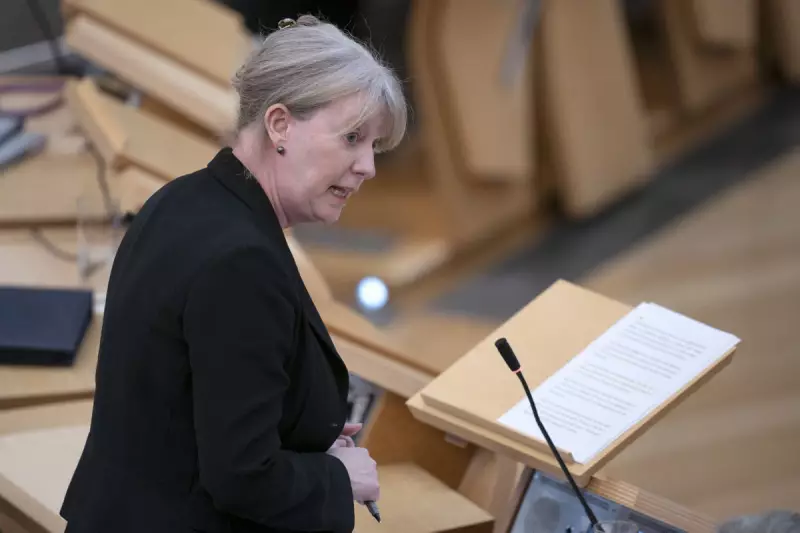
Shona Robison revealed that the Scottish Government faces a "very limited" set of options to respond if Chancellor Rachel Reeves increases income tax in the Westminster budget scheduled for November 26. The Finance Secretary has requested an urgent meeting with the Chancellor to discuss the potential implications.
Speaking to BBC Scotland's Sunday Show, Ms Robison expressed particular concern about how the fiscal framework - which governs funding arrangements between Westminster and Holyrood - would handle simultaneous changes to both income tax and national insurance. She described the situation as "uncharted territory" that the current system wasn't designed to accommodate.
Billion-Pound Threat to Scottish Funding
The potential financial impact could be substantial. According to analysis by the Fraser of Allander Institute, a 2p increase in income tax in the UK Budget could reduce Scotland's funding by approximately £1 billion through the operation of the fiscal framework.
When questioned directly about whether she would raise Scottish income tax rates in response to any Westminster increase, Ms Robison maintained a cautious position. "I'm not going to set out here today what our plans for income tax are when we don't know what we're going to face on the 26th," she stated.
Call for Flexibility and Economic Support
The Finance Secretary emphasised that her first priority would be seeking greater flexibility within the fiscal framework rather than immediately adjusting tax rates. She argued that the Scottish Government had previously committed to tax stability throughout the current parliamentary term but acknowledged that "unforeseen exceptional circumstances" might force a reconsideration.
Ms Robison also called on the Chancellor to abandon her strict fiscal rules, advocating instead for investment measures "to grow the economy and support people with the cost of living."
Meanwhile, HM Treasury defended its approach, highlighting that Scotland receives "over 20% more funding per head than the rest of the UK" through what it described as a "record funding settlement." A Treasury spokesperson pointed to significant investments in Scotland, including £8.3 billion for GB Energy projects, up to £750 million for a new supercomputer at Edinburgh University, and £452 million over four years for City and Growth Deals across Scotland.
The spokesperson emphasised that these investments were "possible because our fiscal rules are non-negotiable," describing them as "the basis of the stability which underpins growth."