Scottish Business Leader Condemns SNP Tax Policies as Unfair Burden
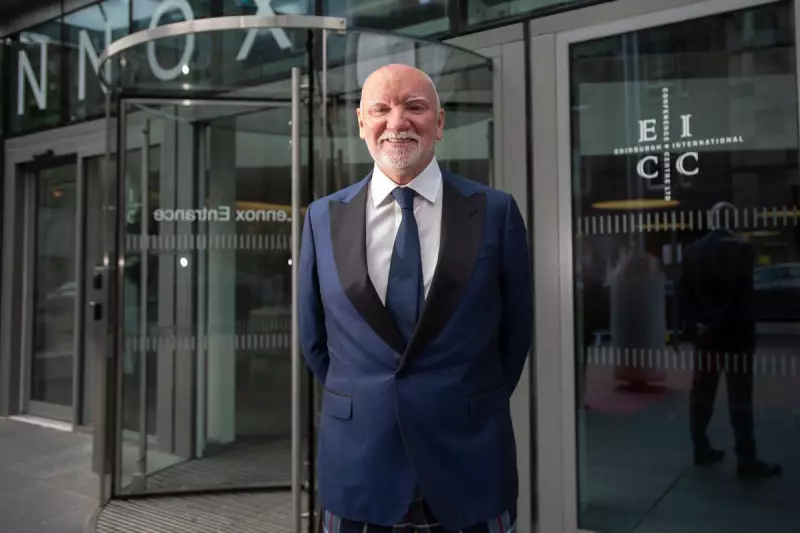
Prominent Scottish entrepreneur Sir Tom Hunter has launched a scathing critique of the Scottish National Party's taxation policies, claiming that hard-working Scots are "squealing" under the weight of increasingly high levies. The East Ayrshire-born philanthropist and businessman described the current tax burden on essential workers including nurses, teachers and police officers as fundamentally unfair during an interview with the Press Association.
Taxation Driving Talent Away from Scotland
Sir Tom revealed that he personally knows friends who have chosen to leave Scotland entirely due to the SNP's decision to maintain higher tax rates than those found elsewhere in the United Kingdom. "I think we are overtaxed in Scotland and people are now squealing," he stated emphatically. While acknowledging his own willingness to pay Scottish income tax regardless of rate, he expressed particular concern for middle-income earners.
The businessman highlighted what he described as a particularly punishing situation for professionals earning between £43,500 and £50,000 annually. "This is nurses, teachers and policemen," he explained. "I wouldn't call these people particularly wealthy but they're paying half of their income away in tax. I don't think that's fair on them." This effective 50% tax rate results from the complex interaction between Westminster-controlled national insurance and Holyrood-set income tax.

Entrepreneur's Manifesto Calls for Economic Transformation
On Wednesday, Sir Tom issued what he termed a "clarion call" to all Scottish political parties to prioritise economic growth through comprehensive reforms. His Entrepreneurs Manifesto for Scotland outlines a series of proposed measures including:
- Reducing regulatory burdens and cutting taxes
- Abolishing unnecessary quangos and bureaucratic bodies
- Reforming planning and energy systems
- Creating a more business-friendly environment
According to his projections, these changes could potentially generate 100,000 new jobs and add approximately £20.2 billion to the Scottish economy by unlocking opportunities, particularly in the energy sector.
Independence Debate Centred on Competence
Addressing Scotland's constitutional future, Sir Tom offered a nuanced perspective that diverges from traditional political binaries. "The way to get independence is through competent government," he argued. "If the Government had made a success of the powers they have, then you'd be in a strong position to say, 'let's go further'."
He expressed concern that Scotland has failed to maximise its existing devolved powers, pointing to what he described as a "lacklustre" economy and declining educational rankings. "We would be in a worse economic position if we were an independent nation," he suggested. "That's not a political point of view – that is just arithmetic."
Instead, Sir Tom urged Scottish political leaders to examine successful smaller nations like Singapore and Ireland for inspiration on economic development strategies. He advocates for what he terms a "fairer system" where the total tax revenue increases through economic growth rather than through higher tax rates.
Government Response Defends Policy Direction
Deputy First Minister Kate Forbes responded by highlighting the Scottish Government's support for entrepreneurship and business development. She pointed to statistical evidence including a 17.9% increase in Scottish start-up businesses during the first half of 2025, alongside a 24% growth in investment deals during the same period compared to the latter half of 2024.
"Entrepreneurs and start-up companies are the backbone of our economy," Forbes stated, "and the Scottish Government has been working systematically to develop the pipeline of support required to help businesses develop, grow and prosper."

Finance Secretary Shona Robison defended the government's taxation approach, noting that "the majority of taxpayers pay less income tax than elsewhere in the UK" while enabling investment in distinctive Scottish policies including free university tuition and enhanced NHS funding. She maintained that "independence offers Scotland a fresh start" with greater powers to raise living standards and build a fairer economy.
Despite his strong views on economic policy, Sir Tom Hunter confirmed he would not be making financial donations or political endorsements ahead of the Holyrood election scheduled for May. His intervention nonetheless adds significant business voice to the ongoing debates about Scotland's economic direction, taxation fairness and constitutional future.