Tories Pledge to End Student Loan 'Debt Trap' as Labour Prioritizes Grants
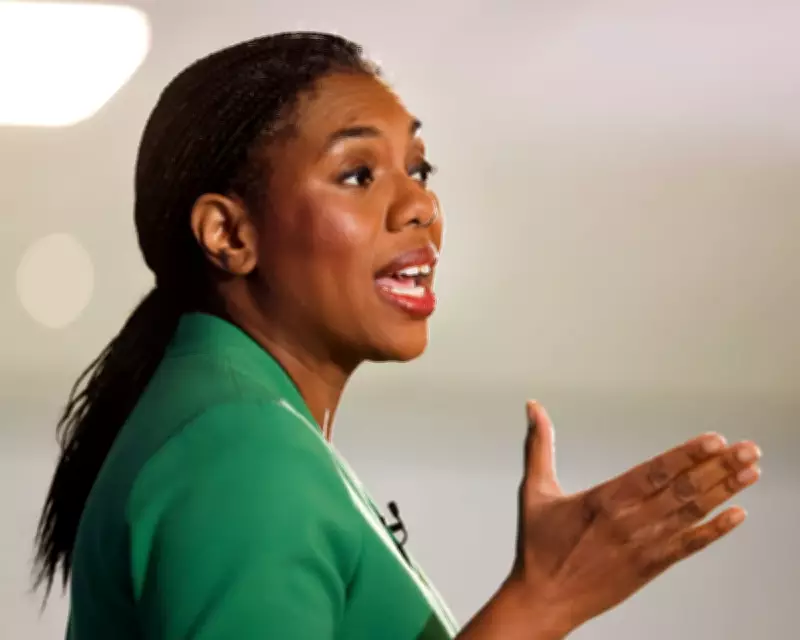
Education Secretary Kemi Badenoch has declared that the Conservative Party would eliminate what she termed the "unfair debt trap" of high interest rates on student loans, intensifying pressure on Labour ministers to address growing public outrage over soaring educational costs.
Badenoch emphasized that millions of graduates are making regular monthly payments yet witnessing their loan balances increase due to interest accumulating faster than repayments. "Britain's young people are facing a worse deal under Labour," she stated, highlighting concerns about youth unemployment and graduate recruitment levels.
Labour's Alternative Approach
In response, Labour's Education Secretary Bridget Phillipson acknowledged problems with the current student loan system but indicated her party's priority would be reinstating maintenance grants for students from lower-income backgrounds rather than tackling interest rates directly.

"The reality is that we inherited a system, and the Conservatives left behind this system, the system they're now complaining about," Phillipson told the BBC. "But it does have problems, it does."
She criticized Conservative politicians for advocating university education restrictions while having benefited from higher education themselves, suggesting hypocrisy in their position.
Specific Policy Proposals
Shadow Education Secretary Laura Trott outlined Conservative plans to abolish real interest rates on Plan 2 student loans, which currently affect graduates who began university courses after 2013. The proposal would cap interest at RPI inflation levels, potentially reducing loan burdens for millions.
Trott explained this would be funded by cutting what she described as low-value university courses, specifically mentioning creative arts programs as examples. "I think it's the right thing for young people," she argued, suggesting apprenticeships as preferable alternatives for some students.
Escalating Political Conflict
The student loan debate has intensified since Chancellor Rachel Reeves' decision last November to freeze the salary threshold for Plan 2 loan repayments for three years, bringing more graduates into repayment obligations.
Labour MP Nadia Whittome recently revealed her own student debt situation, noting that despite earning in the top 5% of salaries as a parliamentarian, her repayments have reduced her £49,600 debt by only £1,000 since 2019. "If MPs are barely making a dent in their student loan debt after six years of repayments, what chance do other graduates have?" she questioned.
Broader Implications
Treasury Minister Torsten Bell warned that Conservative proposals to cut student numbers could have catastrophic effects on universities, potentially forcing closures if implemented without careful planning.
Phillipson confirmed that Labour would maintain the frozen repayment threshold in coming years, bringing additional graduates into the repayment system. She defended this approach while criticizing the Conservative record on higher education funding.
The political standoff reflects deeper divisions about how to fund higher education in Britain, with Conservatives emphasizing interest rate relief and Labour focusing on upfront support for disadvantaged students through maintenance grants.