The Dorset Village That Time Forgot: Tyneham's Wartime Sacrifice
Nestled in the picturesque Dorset countryside lies Tyneham, a settlement that has remained eerily frozen in time since December 1943. This remarkable "ghost village" stands as a poignant testament to the extraordinary sacrifices made by ordinary British citizens during the Second World War, when residents were given just 28 days to abandon their homes, livelihoods, and community forever.
A Heartbreaking Evacuation Notice
In late 1943, as preparations intensified for the pivotal D-Day landings, the British government made the difficult decision to requisition Tyneham and its surrounding land for essential military training exercises. Every villager received the devastating news that they must evacuate their properties within four short weeks, under the assurance that this displacement would be temporary and they would eventually return to reclaim their homes.
The hurried departure left behind countless personal belongings and everyday objects that now serve as haunting reminders of the community that once thrived there. Children's coat pegs still hang in the schoolhouse, while household items remain positioned exactly as they were over eight decades ago, creating an atmosphere that feels both preserved and profoundly melancholic.

The Promise That Was Never Kept
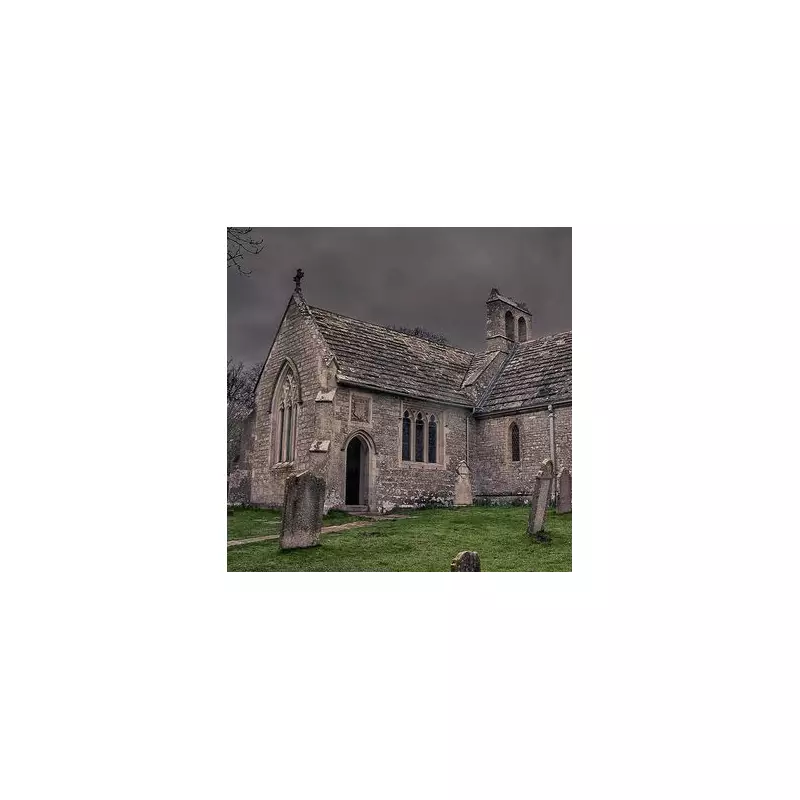
Before locking the church door for what they believed would be a temporary absence, villagers attached a heartfelt note to the entrance that read: "Please treat the church and houses with care. We have given up our homes where many of us have lived for generations, to help win the war to keep men free. We will return one day and thank you for treating the village kindly."
Despite this earnest plea and the residents' understanding that their sacrifice was for the national war effort, the government ultimately reneged on its promise. After hostilities ceased, Tyneham was permanently absorbed into the Armoured Fighting Vehicles Gunnery School, with the Ministry of Defence maintaining control for live firing exercises that continue to this day.
A Living Museum of Wartime Britain
Today, Tyneham has transformed into a unique historical attraction that offers visitors a fascinating glimpse into 1940s rural England. The village opens periodically throughout the year, allowing tourists to wander through remarkably preserved structures including a row of terraced houses, the restored church, and original school buildings that now host exhibitions about the community's history.
One recent visitor described the experience on Tripadvisor: "When you visit Tyneham, it is like you are stepping back in time to the 1940s as it has pretty much remained the same since its requisitioning by the Ministry of Defence in 1943. The church is a highlight thanks to how well preserved it is, and I would recommend it to anyone in the area."
Personal Memories and Lasting Legacy
The human story behind Tyneham's abandonment became particularly poignant in 2024 when Peter Wellman, the last living former resident, made his final visit to the village where he was born and raised. Speaking to the Dorset Echo about his childhood memories, he recalled: "We had no electricity, no mains gas and no running water - we had to pump that from near the church. We were happy until we got moved out." Mr. Wellman passed away last year at the age of 100, taking with him some of the last firsthand accounts of life in pre-evacuation Tyneham.
For those exploring the area, Tyneham Farm features restored outbuildings and a picnic area, while the stunning Jurassic Coast and Worbarrow Bay—a beautiful, uncrowded World Heritage Site—lie just a twenty-minute walk from the village. This combination of natural beauty and historical significance makes Tyneham a thought-provoking destination that continues to educate new generations about the personal costs of wartime necessity.
The preserved village stands as both a memorial to displaced families and a unique historical resource, offering tangible connections to a pivotal moment in Britain's wartime history that would otherwise exist only in history books and fading memories.