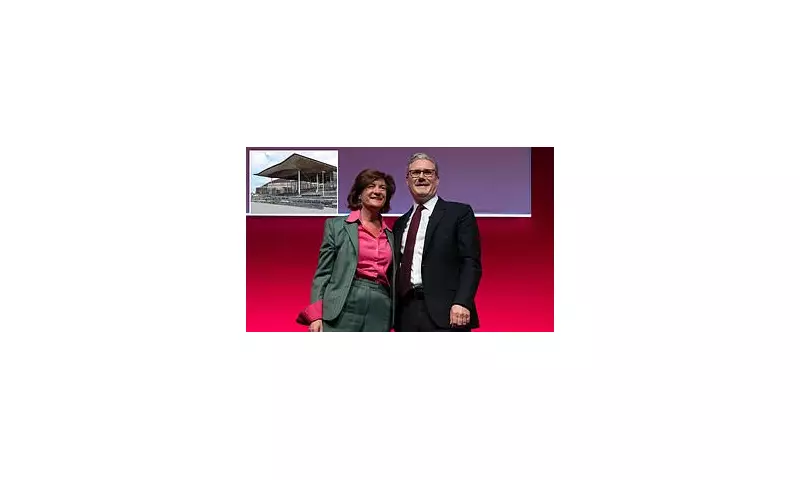
Wales' First Minister has made a direct appeal to voters today, urging them not to treat the upcoming Senedd election in May as a protest vote against Sir Keir Starmer's UK government. This comes as Labour faces the prospect of losing power in Wales for the first time since devolution was established, marking a potentially historic political shift.
A Plea to Focus on Welsh Issues
Baroness Eluned Morgan, appearing on BBC Radio 4's Today programme, emphasised that Sir Keir Starmer is 'not on the ballot paper' in Wales. She pointedly refused to describe him as a 'good prime minister' during the interview, instead redirecting focus to the choices facing Welsh voters.
'What I'm saying to the people of Wales is that he's not on the ballot paper, that is not what people will be voting for in May,' Baroness Morgan told the BBC. 'This is not an election, this is not an opportunity for a free hit against the UK Government. This is not a time for protest votes.'

The Stakes for Welsh Services
The First Minister stressed that the election should centre on who can best deliver essential services in Wales. 'The things that matter here is who is going to deliver those services that people rely on in Wales, and the fact is that people will have a choice,' she stated.
She framed the alternatives starkly, warning of 'the chaos that Reform will offer' and describing Plaid Cymru's proposals as 'pipe dreams' that would lead to independence. Baroness Morgan acknowledged her party's poor polling performance, admitting 'We know that there's a challenge ahead' and that there are 'a number of reasons' for Labour's decline in support.
Polling Predicts Dramatic Realignment
Recent surveys paint a dramatic picture of potential change in Welsh politics. Polls suggest the Senedd is likely to be governed by a coalition of nationalist party Plaid Cymru and the Greens, with Reform UK leading the opposition. This would represent a fundamental shift from the current political landscape.
Seat Projections and Consequences
The projections are particularly stark for Labour. Baroness Morgan's party could see its representation reduced from 29 seats to just eight, potentially becoming only the third largest party in the expanded 96-seat chamber. The Conservatives would also face significant losses, with the two current largest parties possibly reduced to little more than a dozen seats combined.
A YouGov poll for ITV Wales earlier this month indicated that Nigel Farage's Reform UK is on course to become the main opposition party in Wales, despite not yet having a designated leader in the country. However, the numbers suggest Reform will fall well short of taking power itself, even with potential Conservative support.
Broader UK Implications
The May vote coincides with elections for the Scottish Parliament and local elections across England, creating additional pressure on Sir Keir Starmer's leadership. The potential loss of Wales would compound challenges for Labour, following expectations that the SNP will retain power in Scotland.
This political realignment could have far-reaching consequences for the United Kingdom. The leader of Plaid Cymru has stated that his party would use time in government to advance the case for Welsh independence, adding another dimension to the constitutional questions facing the nation.
The Senedd election therefore represents not just a choice about who governs Wales, but potentially a significant moment in the ongoing evolution of devolution and the future political structure of the United Kingdom.