

Stormont Leaders Dismiss Claims of External Control Over Maze Redevelopment
Northern Ireland's First Minister Michelle O'Neill and deputy First Minister Emma Little-Pengelly have strongly rejected suggestions that they are being "controlled externally" when it comes to decisions about the redevelopment of the former Maze prison site. The claim was made by Alliance MLA Stewart Dickson during a tense session of the Stormont Executive Office Committee, where he questioned the political leaders about the ongoing stalemate surrounding the 347-acre site near Lisburn.
"A Blot and a Failure on the Executive Office"
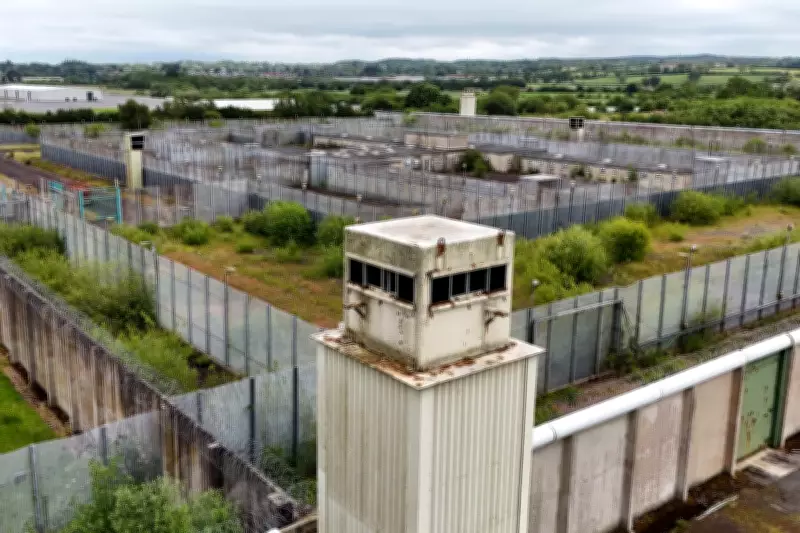
Mr Dickson, who serves as vice chair of the committee, described the lack of progress on the Maze/Long Kesh site as "a blot and a failure on the Executive Office." The former prison, which held paramilitary inmates during the Troubles and was the location where ten republican hunger strikers died in 1981/82, has seen limited development despite its potential.
While the Royal Ulster Agricultural Society has become an anchor tenant and moved the annual Balmoral Show to the venue, there has been no comprehensive agreement on a full regeneration plan for the substantial site. Mr Dickson suggested that if the ministers cannot resolve the issue themselves, they should consider handing it over to dispute resolution or mediation to break the deadlock.

"I appreciate that you're both subject to political vetoes over that, people that instruct you what to do have said no," Mr Dickson told the ministers during the committee hearing. "I'm not blaming you personally for this as an Executive Office, because I think you're controlled externally in respect of all of this."
Firm Rejections from Both Ministers
Ms O'Neill responded immediately to what she described as an "unfortunate" suggestion, stating firmly: "I take exception to you saying that we are controlled by someone outside this room." The First Minister acknowledged the site's "enormous economic potential, historical potential, reconciliation potential" but emphasised that political agreement would be necessary to move forward.
"There's sensitivities around it all," Ms O'Neill continued. "I'm not going to give up on that, I think that is something that we should continue to work towards."
Ms Little-Pengelly echoed her colleague's sentiments, expressing concern at what she called "the allegation of control" and adding pointedly: "You don't clearly know me very well if you think anybody can control me." The deputy First Minister acknowledged the challenges surrounding the listed buildings on the site and the need to balance various interests, including those of victims and survivors.
Historical Veto and Future Possibilities
The deputy First Minister revealed that former deputy first minister Martin McGuinness had previously said "no to any further activity on that site, pending agreement on the politically sensitive list of buildings." Ms Little-Pengelly stated publicly that she would like the First Minister to lift that veto to allow economic development to proceed.
"I think it could be a site of regional significance," she told the committee, suggesting that allowing economic activity to begin might "change the narrative of that site" and make future decisions about the listed buildings more achievable.
Committee Backlash and Support
DUP MLA Philip Brett, who also sits on the committee, expressed strong objection to Mr Dickson's comments about his party colleague. "The deputy First Minister is a strong, independent woman who's very capable of making her own decisions," Mr Brett stated, adding that similar comments might have resulted in complaints to the standards commissioner about misogyny.
The exchange highlights the continuing political tensions surrounding one of Northern Ireland's most historically significant sites, where economic development ambitions continue to clash with political sensitivities and the legacy of the Troubles. The 347-acre former prison complex remains both a symbol of Northern Ireland's troubled past and a potential catalyst for future economic growth, pending political agreement between the parties in the power-sharing executive.






